
LED Displays for Industrial Control Panels: Specs & Toughness
Time : Sep 11, 2026 View : 312
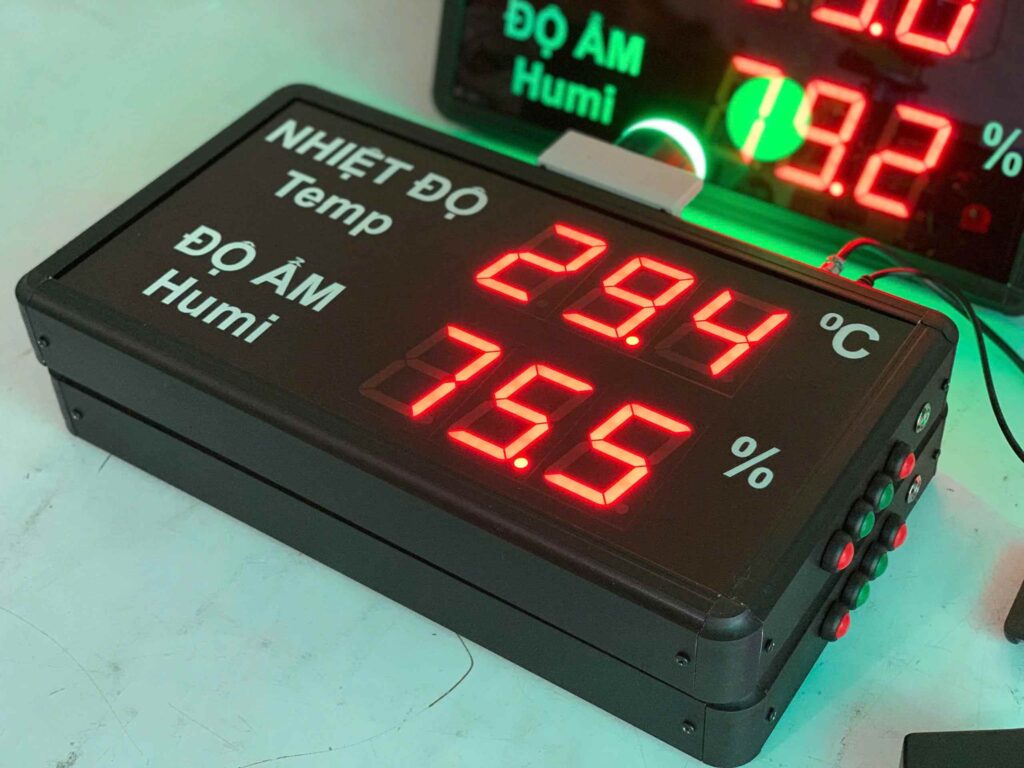
Industrial control panels serve as the operational nerve centers of modern manufacturing plants, automated assembly lines, and power distribution systems. In these demanding settings, plant operators rely on real-time visual readings—such as system pressure, voltage levels, motor RPM, and thermal metrics—to maintain continuous safety and operational productivity. Choosing an inadequate display component can lead to unreadable data, unexpected system downtime, or premature electronic failure caused by mechanical stress and severe temperature swings.
Selecting an optimal industrial control panel LED display requires evaluating robust design criteria specifically engineered for extreme factory conditions. As an established industrial LED display supplier China, LIGHTBO manufactures high-performance industrial LED display module solutions, including customized LED displays for industrial control panels, designed to meet strict industrial reliability requirements while providing customized hardware solutions for specialized control applications.
Understanding the Harsh Realities of Industrial Control Environments
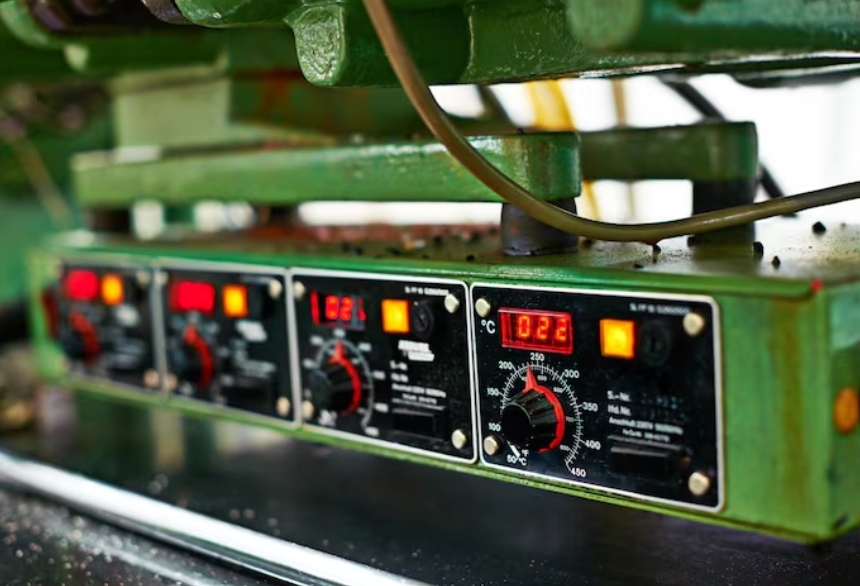
Selecting visual display components for factory equipment requires evaluating operational hazards far beyond standard consumer electronics. Industrial applications require an LED display for harsh environments where continuous vibration, temperature variation, dust exposure, and strong lighting conditions can affect normal display performance.
Key Environmental Factors Impacting Display Performance
Industrial electronics face several distinct physical hazards that can cause standard visual indicators to fail without proper protection.
- Vibration and Mechanical Shock: Continuous movement from adjacent heavy machinery or motor drives can break solder connections in a standard LED numeric display. A vibration-resistant LED display uses reinforced structures and protective encapsulation to maintain stable operation.
- Severe Temperature Fluctuations: Outdoor panels or units near high-heat machinery require a wide-temperature LED display capable of stable operation between -40°C and 85°C.
- Dust, Chemical, and Moisture Exposure: Airborne particulate matter and oil mist in chemical plants can degrade unsealed internal circuitry without proper protection, making an industrial-grade LED display essential for demanding applications.
- High Ambient Light and Sunlight Glare: Unfiltered direct sunlight in outdoor energy installations renders low-intensity displays unreadable, making a high-brightness LED display essential for operator visibility.
Technical Requirements for an Industrial-Grade LED Display Module
To ensure uninterrupted operation on the factory floor, engineers must prioritize robust electrical and mechanical design parameters. Selecting an industrial LED display module requires evaluating key performance criteria that guarantee long-term visual accuracy.
Optical and Structural Engineering Standards
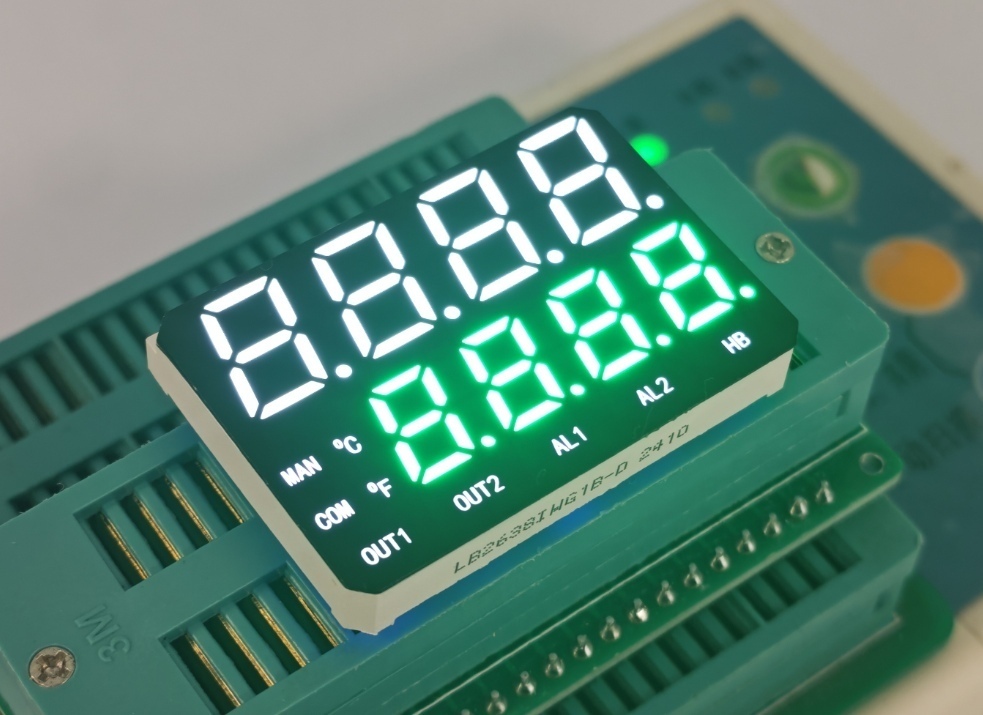
The structural assembly and optical output of visual modules dictate how effectively they withstand continuous operational stress.
- High Contrast and Luminance Output: Precision die selection provides consistent segment illumination, ensuring a reliable LED display module remains crisp from wide viewing angles. A large-digit LED display design also improves readability when operators view control panels from a distance.
- Optimized Thermal Management: Advanced heat dissipation substrates enable a long-lifespan LED display that operates continuously for over 50,000 hours without severe lumen depreciation.
- Ruggedized Potting and Wire-Bonding: Solid resin potting and reinforced terminal pins convert the unit into a durable industrial LED display suitable for heavy stamping presses, motor drives, and automated production equipment.
Customization Options for Specialized Industrial Machinery
Standard off-the-shelf display components often fall short when integrating into specialized equipment housings or proprietary PCB layouts. Working with a custom LED display manufacturer allows engineers to develop display solutions that match exact mechanical and electrical requirements.
- Large Digit LED Display Formats: Custom digit heights ensure critical safety parameter displays remain clear to machine operators standing meters away.
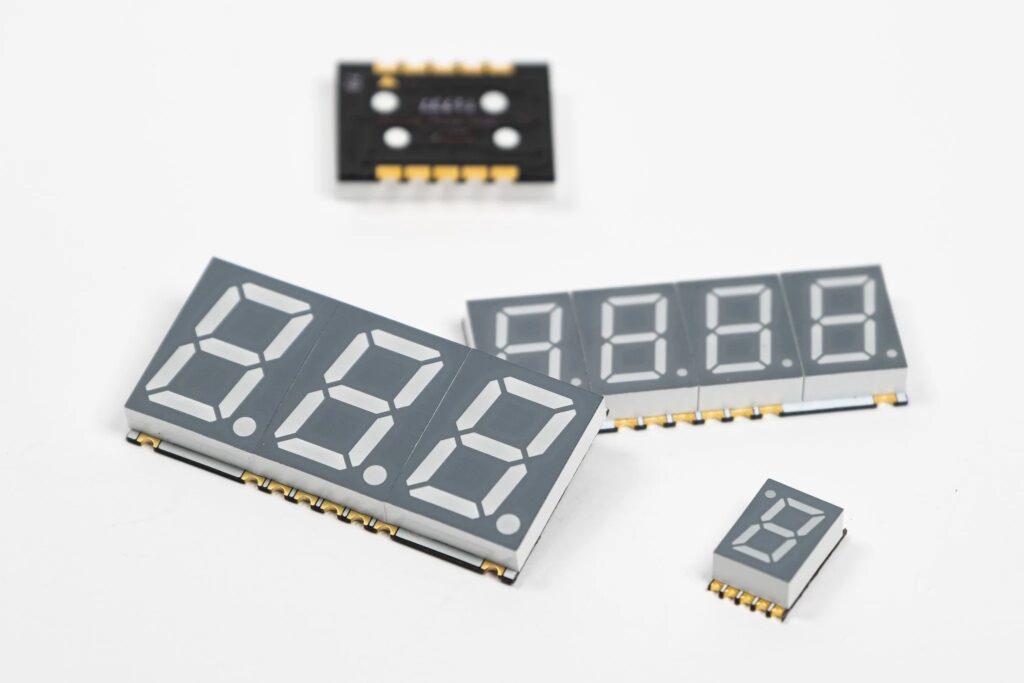
- Custom 7 Segment LED Display Configurations: A custom 7 Segment LED display provides tailored pinout designs, multi-digit layouts, and custom status symbols for seamless integration into custom controller circuit boards.
- Tailored Segment Colors and Wavelengths: Matching specific LED wavelengths (red, green, amber, blue) allows operators to immediately distinguish warning states from normal operating readouts.
Practical Applications: Where Reliability Solves Operational Bottlenecks
Industrial displays are deployed across diverse sectors, each posing unique environmental hazards and operational challenges. Installing a durable display directly resolves critical hardware failure points across key industrial applications.
Energy Management and Power Distribution Panels
Power monitoring units operate in continuous environments where display component failure can lead to unmonitored electrical hazards.
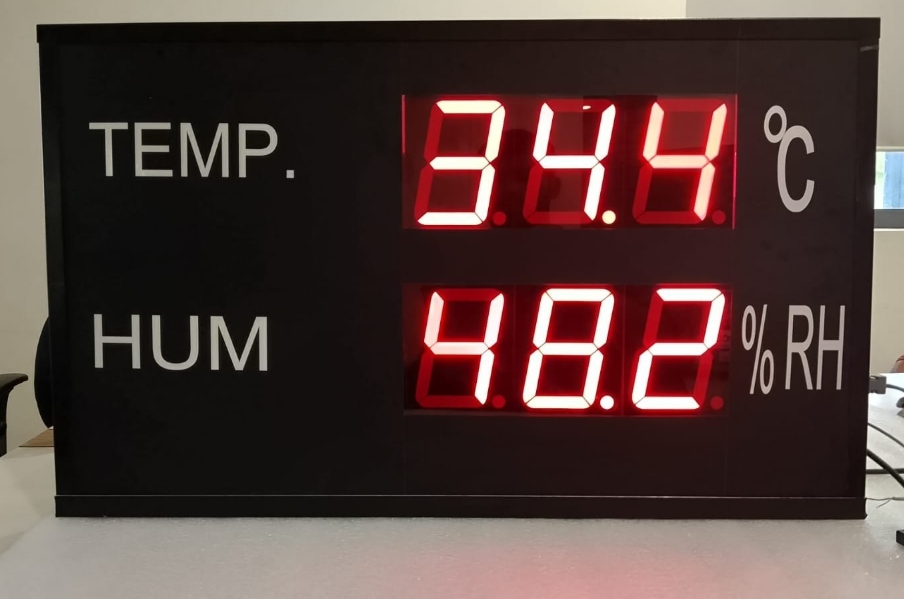
- Solar Inverters and Outdoor Substations: High-performance outdoor power meters utilize an industrial 7-segment display encased in anti-UV materials to prevent faceplate yellowing under sunlight.
- High-Voltage Switchgear Controllers: Wide-temperature components eliminate readout lag during freezing winter conditions while maintaining crisp visibility during high-load thermal spikes.
Heavy Automation and Manufacturing Equipment
Factory machinery subjects operator interfaces to relentless mechanical vibration, electrical noise, and airborne contaminants.
- CNC Milling and Metal Stamping Machinery: Durable potting encapsulation protects the LED display for industrial control panels from persistent high-frequency mechanical shock.
- Process Control and Automated Conveyor Systems: High-intensity numeric readouts allow plant personnel to perform rapid, error-free panel checks inside dimly lit or brightly illuminated production halls.
Why Partner with LIGHTBO as Your OEM LED Display Supplier
Sourcing reliable display modules requires partnering with an experienced manufacturer that understands stringent industrial standards. LIGHTBO provides custom engineering and manufacturing services designed to solve complex hardware integration challenges.
Engineering Excellence and Scalable Manufacturing in China
Working directly with an experienced LED display manufacturer China guarantees strict quality control and responsive custom product development.
- In-House R&D and Custom Prototyping: LIGHTBO’s engineering team assists with schematic design, pinout mapping, and rapid tooling for custom LED display manufacturer projects.
- Automated Quality Control and Testing: Stringent process controls and automated die bonding ensure each industrial LED display module meets uniform optical and electrical tolerances.
- Flexible OEM/ODM Supply Capabilities: As a trusted OEM LED display supplier, LIGHTBO delivers cost-optimized, scalable production runs tailored to exact manufacturing timelines.
Upgrade Your Control Interface Today
Engineered for extreme reliability, LIGHTBO’s custom displays deliver the durability required for industrial control applications. Contact our engineering team today to request product samples, discuss custom pinout specifications, or receive a competitive quotation from an experienced industrial LED display supplier China.
FAQ
Q: Why are 7-segment LED displays preferred over LCD screens for industrial control panels?
A: Industrial 7-segment display products offer superior vibration resistance, wide operating temperature ranges (-40°C to 85°C), high contrast, and immediate readability in low-light or direct sunlight environments where LCD screens may experience response limitations.
Q: How does high ambient temperature impact the performance of an industrial LED display module?
A: Excessive ambient heat increases semiconductor junction temperature, which can lead to lumen degradation and shortened operating life. Utilizing a wide-temperature LED display with optimized thermal management maintains reliable performance over extended operations.
Q: What structural design features make an LED display vibration resistant?
A: A vibration-resistant LED display incorporates solid epoxy resin encapsulation, reinforced internal wire bonding, sturdy lead frame construction, and optimized terminal pin designs to prevent internal damage during mechanical shock.
Q: Can an OEM display manufacturer customize segment layouts and pin configurations for proprietary PCBs?
A: Yes, an OEM LED display supplier can customize character heights, pin locations, digit quantities, faceplate colors, and emitting wavelengths to match custom circuit board designs and enclosure constraints.


