
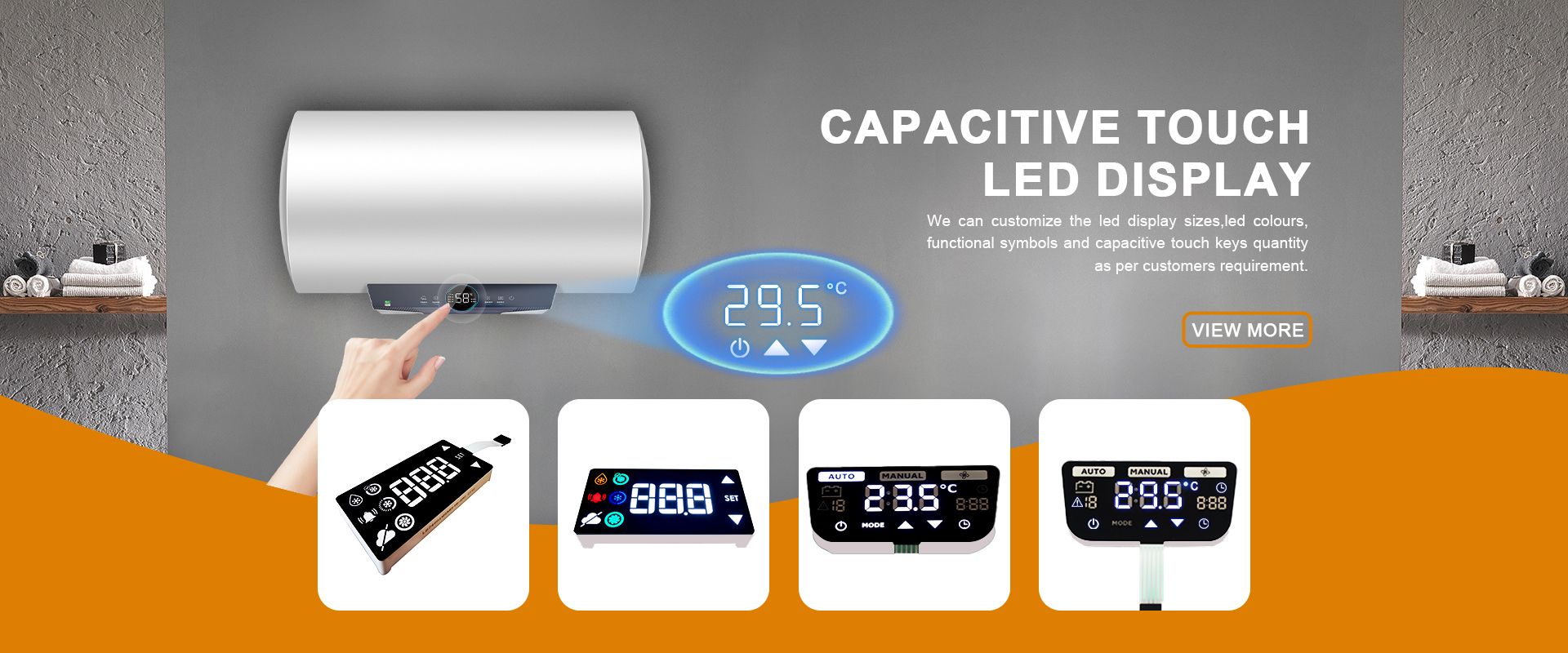
Quality Control Process for Custom LED Display Manufacturing
Time : Sep 18, 2026 View : 266
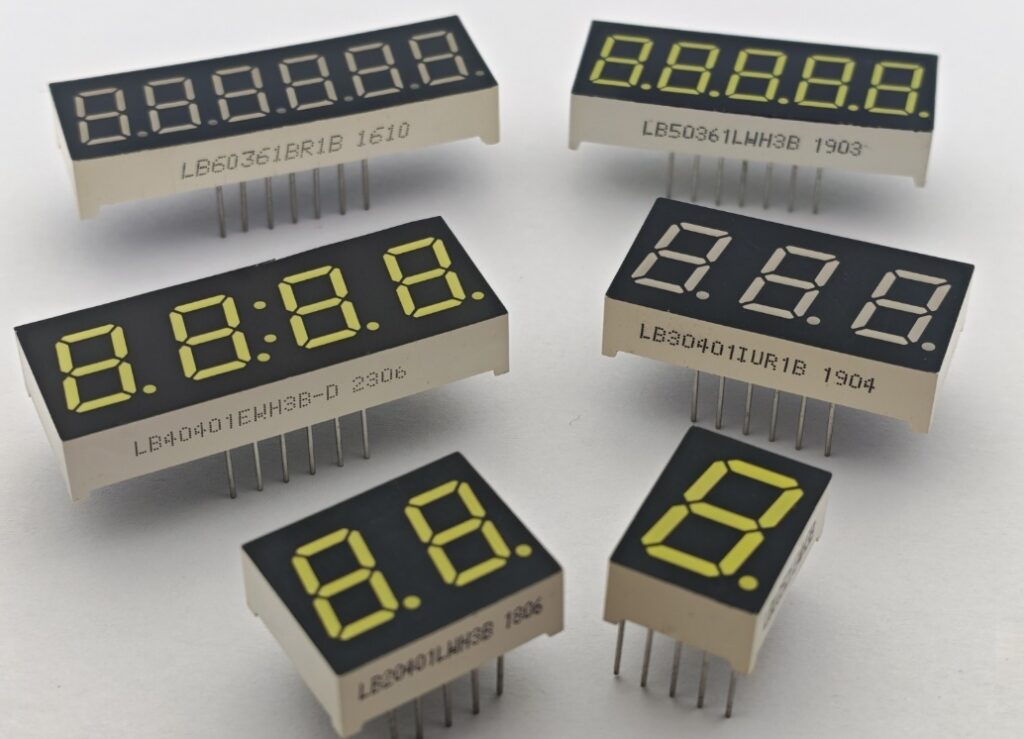
In display engineering, visual performance and long-term durability are critical. Whether in smart home appliances, industrial power equipment, or new energy systems, a single dead segment, flickering digit, or inconsistent illumination can compromise the user experience and damage a brand’s reputation. Implementing comprehensive LED display quality control throughout the custom LED display manufacturing lifecycle is essential to prevent operational failures and maintain stable product performance.
Key production risks addressed by rigorous quality control include:
- Visual Mismatch: Eliminating noticeable brightness variations and color shifts to improve LED brightness uniformity and LED color consistency across adjacent digits and batches.
- Premature Aging: Preventing rapid lumen degradation caused by unstable current driving, excessive heat, or weak bonding processes.
- Environmental Degradation: Verifying resistance to moisture, thermal cycling, and other harsh operating conditions through systematic LED display reliability testing.
As an established custom LED display manufacturer, LIGHTBO combines automated packaging technology with multi-stage LED display quality control to deliver each custom LED display module for demanding OEM applications.
Raw Material Quality Assurance in Custom LED Display Manufacturing
The foundation of a high-yield LED display manufacturing process relies heavily on vetted raw materials and systematic supplier management. Preventing defects at the component level helps reduce downstream failures during mass production quality control.
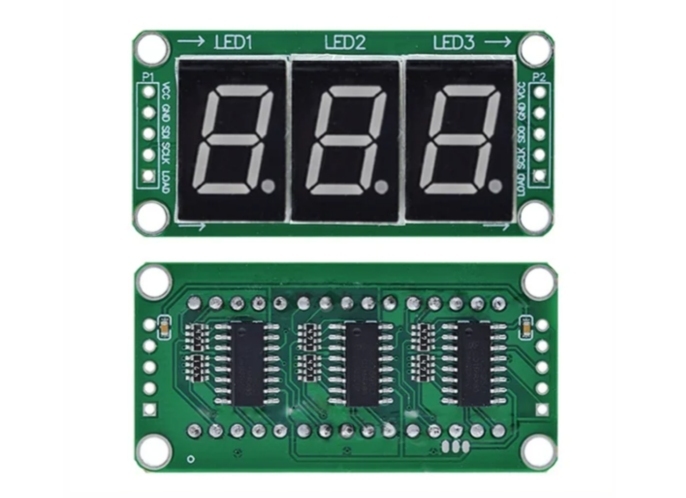
Incoming Raw Material Inspection & Precise LED Chip Binning
Before assembly begins, raw components undergo verification to ensure compliance with required electrical and optical specifications.
- Incoming Raw Material Inspection: Incoming raw material inspection covers LED chips, lead frames, PCB substrates, epoxy materials, and other critical inputs used in custom LED display manufacturing.
- LED Chip Binning: LED chip binning sorts LED dies by dominant wavelength, forward voltage, and luminous intensity to improve LED color consistency and LED brightness uniformity across display segments.
- Substrate Quality Verification: Lead frames and PCBs are evaluated for plating quality, dimensions, and surface conditions to reduce soldering and assembly defects.
Substrate and Component Reliability Audits
Evaluating the physical and thermal properties of substrates, resins, and lead frames helps prevent structural degradation under thermal stress.
- Thermal Expansion Matching: Encapsulation materials and substrates are selected to reduce mechanical stress during repeated temperature cycling.
- Reflow Resistance Verification: SMD substrates are managed for moisture exposure and reflow compatibility to reduce package delamination during assembly.
These controls form an important early stage of the overall LED display manufacturing process.
Advanced In-Process Quality Control (IPQC)
In-process inspection maintains production stability during automated packaging and SMT assembly. Integrating inspection checkpoints throughout the custom LED display manufacturing workflow allows abnormalities to be identified before they affect entire production lots.
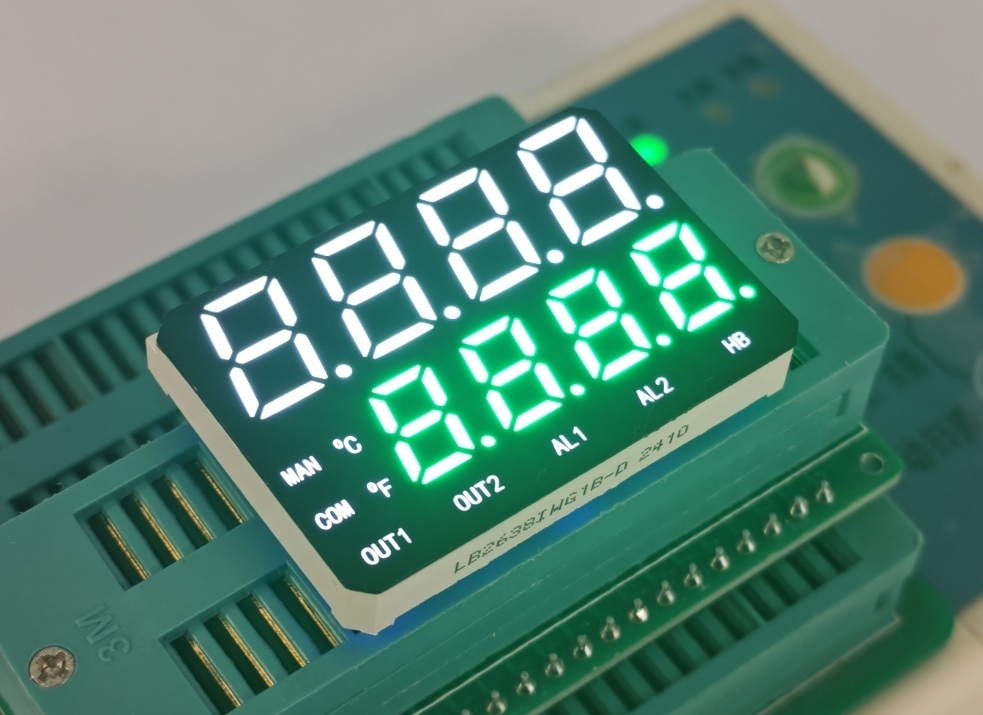
Automated Optical Inspection (AOI) and Die-Bonding Accuracy
Vision inspection equipment verifies critical bonding and placement conditions during assembly.
- Automated Optical Inspection (AOI): Automated optical inspection (AOI) checks chip position, polarity, component alignment, and visible assembly defects during production.
- Gold Wire Bond Pull Testing: Mechanical pull and shear testing evaluates bond strength to help ensure reliability under vibration and thermal cycling.
- Solder Paste Inspection: SMT printing for custom SMD display modules can be monitored to detect insufficient solder, bridging, or other process abnormalities.
Encapsulation and Segment Uniformity Standards
Controlled encapsulation protects internal wire bonds while supporting consistent optical diffusion.
- Vacuum Degassing: Encapsulation materials can be processed under controlled conditions to reduce bubbles that may affect optical appearance.
- Mask and Reflector Alignment: Optical masks and reflector structures are aligned carefully to limit light bleed between neighboring digits or symbols.
These process controls contribute directly to LED brightness uniformity and overall LED display batch consistency.
Finished Product Testing and Extreme Reliability Validation
Final inspection verifies that every custom LED display module satisfies required optical, electrical, and environmental criteria. Comprehensive LED display reliability testing helps identify early-life defects before shipment.
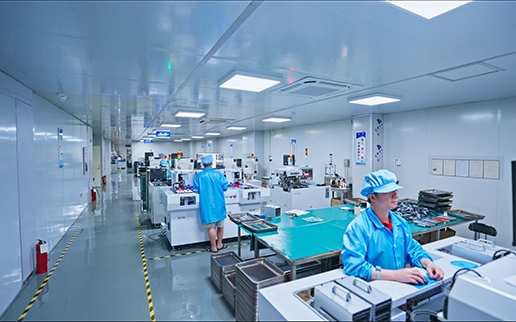
LED Display Aging Test and Burn-in Procedures
Electrical burn-in is used to screen for unstable or early-failure components.
- LED Display Aging Test: An LED display aging test operates finished modules under controlled electrical and thermal conditions to identify abnormal segments, brightness instability, or premature failures.
- Thermal Cycling: Displays can be cycled between low and high temperatures to assess package, solder-joint, and material stability.
- Environmental Testing: Modules designed for humid or outdoor environments can undergo humidity exposure and temperature testing as part of LED display reliability testing.
Optical Performance Testing for Uniformity and Consistency
Optical measurements evaluate color, brightness, and visual matching across completed modules and production lots.
- LED Brightness Uniformity: LED brightness uniformity testing compares segment intensity to identify visible variation across digits.
- LED Color Consistency: LED color consistency evaluation verifies dominant wavelength and color matching between segments and modules.
- LED Display Batch Consistency: Production data and approved limits help maintain LED display batch consistency across repeat orders and replacement components.
For an experienced LED display module manufacturer, these tests are essential for maintaining stable optical appearance during long-term production.
Application-Specific Quality Solutions and Engineering Services
Customizing LED display quality control according to the target operating environment helps solve reliability challenges in appliances, industrial controls, and energy equipment.
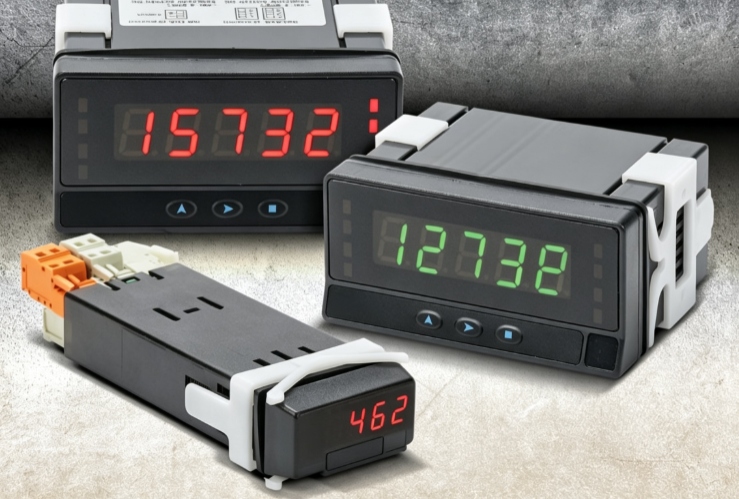
Solving Harsh Environment Challenges in Home Appliances and New Energy
Targeted testing procedures address moisture, thermal cycling, vibration, and changing ambient conditions.
- Smart Home Appliances: Moisture-resistant encapsulation can help reduce leakage currents and segment instability in washing machines, kitchen appliances, and other humid environments.
- New Energy & EV Infrastructure: Suitable resin systems and high-contrast display structures support outdoor readability and environmental durability.
- Industrial Instrumentation: Vibration-resistant display constructions help maintain mechanical integrity in heavy electrical and industrial equipment.
LIGHTBO Customization and ODM/OEM Manufacturing Excellence
As an experienced custom LED display manufacturer and LED display module manufacturer, LIGHTBO integrates design flexibility with systematic mass production quality control.
- Comprehensive Product Portfolio: Manufacturing includes 7-segment LED display, dot matrix LED display, SMD LED display, arrow LED display, alphanumeric LED display, LED light bar, and custom LED backlight solutions.
- End-to-End ODM/OEM Support: Engineering teams support pin-layout optimization, electrical parameter selection, mechanical design, and development of each custom LED display module.
- Mass Production Quality Control: Automated production and inspection processes support stable LED display batch consistency, prototype-to-production transfer, and repeatable quality.
Partner with LIGHTBO for High-Reliability Custom LED Displays
Looking for a reliable LED display module manufacturer to support your product development? LIGHTBO provides engineering support, prototyping, custom LED display manufacturing, LED display reliability testing, and structured mass production quality control for OEM applications.
Contact LIGHTBO, an experienced custom LED display manufacturer, to discuss your display requirements, request samples, or develop a customized quality-control plan for your next project.
FAQ
Q: Why is LED chip binning important in custom LED display module manufacturing?
A: LED chip binning groups chips by forward voltage, wavelength, and luminous intensity, helping improve LED brightness uniformity and LED color consistency across display segments.
Q: How does automated optical inspection (AOI) improve mass production quality control?
A: Automated optical inspection (AOI) helps identify chip-placement, polarity, alignment, and assembly defects early in the LED display manufacturing process, reducing the chance that defects continue into later production stages.
Q: What is the purpose of an LED display aging test?
A: An LED display aging test operates finished displays under controlled conditions to identify early-life defects, unstable brightness, abnormal current behavior, and other reliability issues before shipment.
Q: How can manufacturers maintain LED display batch consistency?
A: LED display batch consistency depends on controlled incoming raw material inspection, precise LED chip binning, standardized production parameters, optical inspection, reliability testing, and disciplined mass production quality control.


