
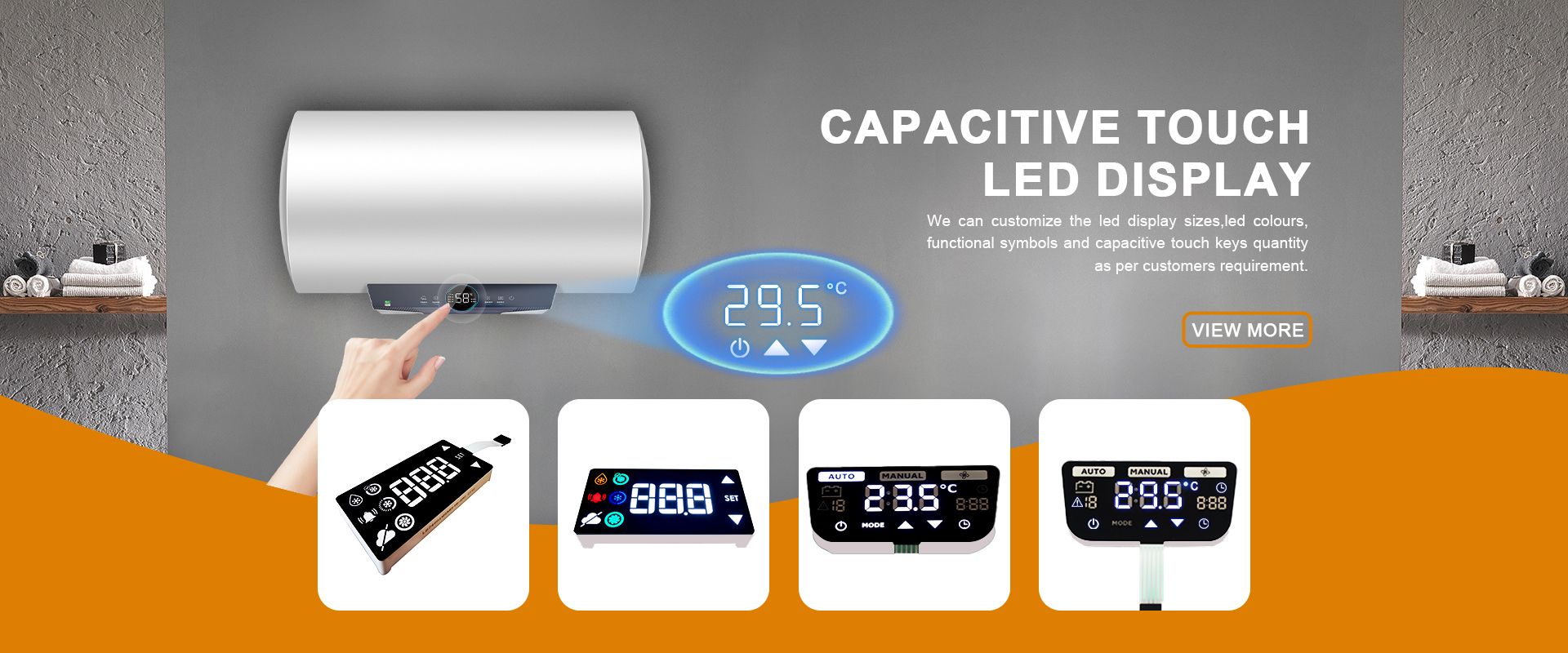
LED Displays for Temperature Controllers: Features & Selection
Time : Sep 04, 2026 View : 403
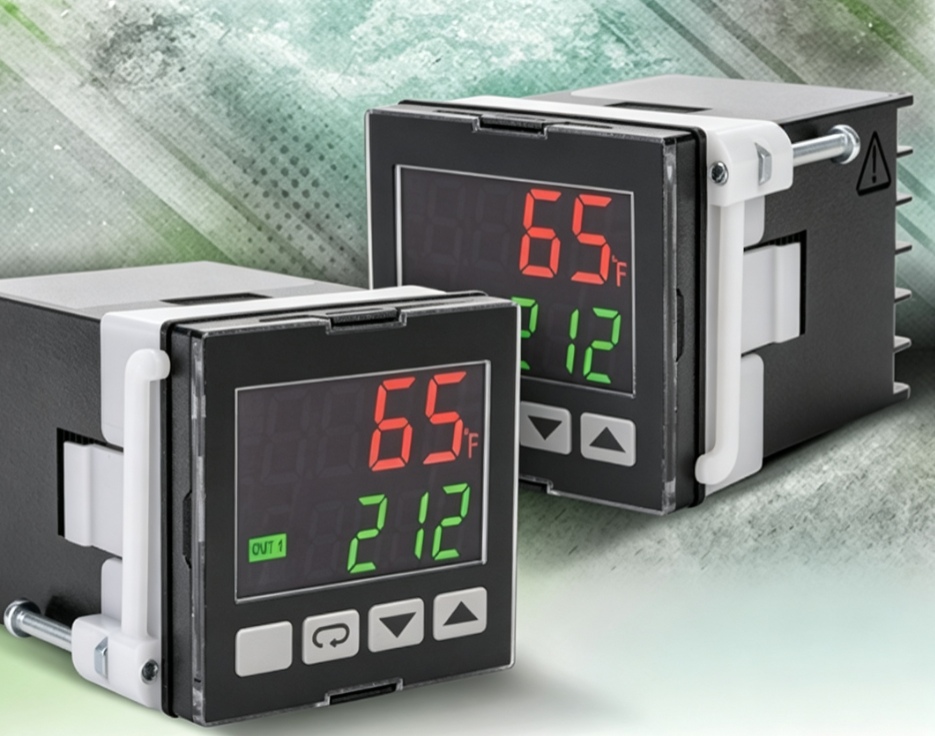
Temperature controllers rely heavily on clear visual output to ensure real-time process monitoring, system adjustment, and operator safety. Choosing the right display module directly impacts how effectively operators monitor process variables and respond to critical thermal shifts. A properly designed LED display for temperature controller applications provides stable visibility, fast response, and reliable operation in demanding industrial environments.
Understanding Temperature Controller Displays in Industrial & Commercial Systems
Industrial thermal management demands robust display components that function reliably under extreme operational stress. A properly matched temperature controller LED display ensures seamless interaction between human operators and PID controllers or electronic thermostats.
Why 7-Segment LED Displays Dominate Temperature Controllers
Graphical LCDs and OLEDs see wide use in consumer gadgets. Still, the 7-segment temperature display stays the top pick for industrial control instruments.
- High Contrast & Readability: Solid-state LED segments give sharp views from many angles and from far away. They work well for temperature setpoint display and process value monitoring.
- Superior Environmental Resilience: LED modules stand up to strong vibration, moisture, and large swings in surrounding heat.
- Extended Service Life: The solid-state build supports long run times with little loss in brightness over years of steady use.
To meet these demanding industrial requirements, LIGHTBO, a professional 7-segment LED display manufacturer, delivers custom and standard display solutions engineered for high reliability in temperature control applications.
Key Features of an LED Display for Temperature Controller
Selecting the ideal LED display for a temperature controller requires evaluating electrical, optical, and mechanical specifications. Understanding these core features ensures optimal integration into your system board.
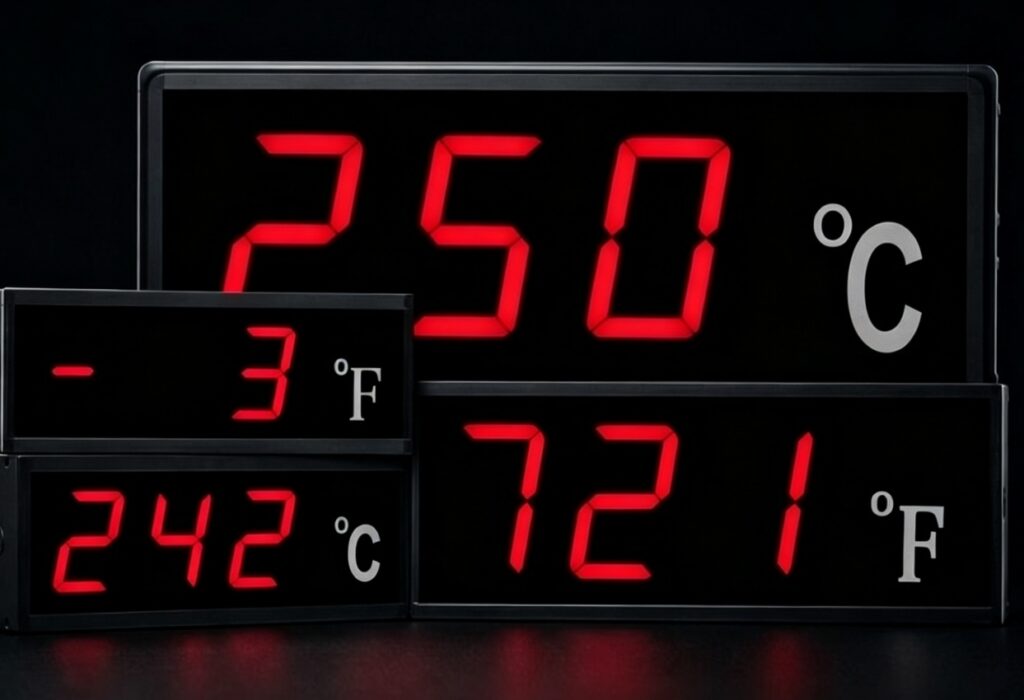
Digit Count and Configuration (3-Digit vs. 4 Digit Displays)
The number of digits sets the range and detail level needed in your setup.
- 3-Digit 7 Segment LED Display: It fits basic needs and shows readings from -99° to 999° in Celsius or Fahrenheit, though without any decimal places.
- 4-Digit 7 Segment LED Display: This version adds finer steps down to tenths of a degree, like 100.5°C, and handles the four-digit spans found in lab incubators or heat-treatment gear.
- Dual-Digit Layouts: Many industrial PID units stack two display lines—one for the process value (PV) and one for the temperature setpoint display (SV).
LED Display Brightness and Visual Clarity
Good brightness keeps the numbers clear whether the room stays dim or the factory floor stays bright.
- Luminous Intensity: Industrial-grade displays give strong output in red, green, blue, or white so operators spot the numbers fast.
- Uniformity: Even brightness across each segment cuts down on visual noise and stops misreads of key values.
- Color Coding: Separate colors help tell process values, alarms, and setpoints apart, which helps plant technicians read the screen at a glance.
LED Display Operating Temperature and Environmental Durability
Thermal control systems are frequently installed near heat sources such as industrial ovens, plastic injection machinery, or outdoor boiler units.
- Wide Thermal Range: An industrial temperature display must maintain consistent optical output across an LED display operating temperature range of -40°C to +85°C.
- Thermal Shock Resistance: Rugged epoxy encapsulation prevents pin cracking and internal wire bond degradation caused by rapid temperature cycling.
Technical Selection Tips for Temperature Controller LED Displays
Engineers must match the electrical architecture and physical footprint of the display to their microcontroller and enclosure design. The following considerations help ensure reliable integration.
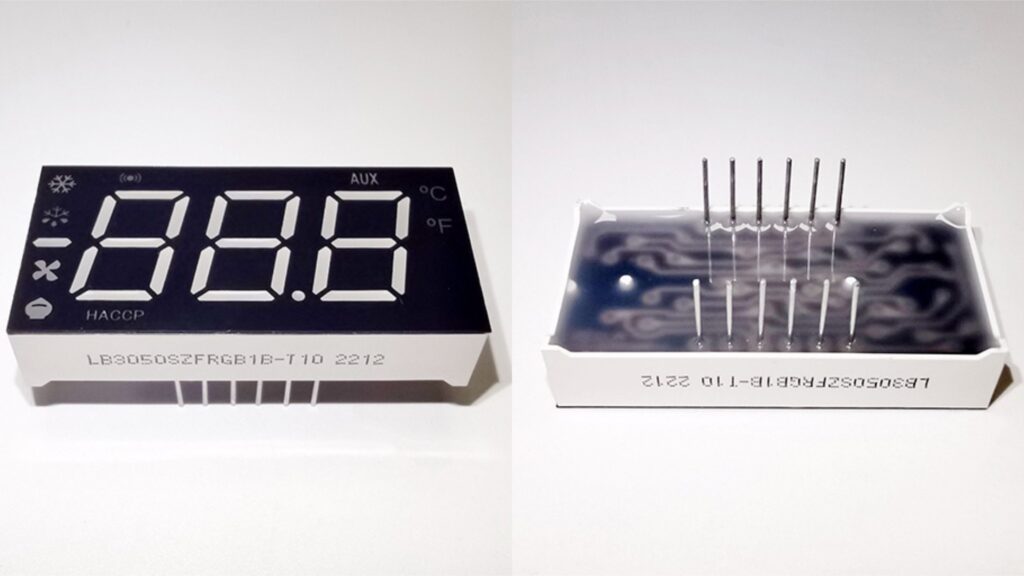
Common Anode vs. Common Cathode Configuration
Understanding common anode vs common cathode circuit design is essential when matching a display to an LED driver or MCU logic.
- Common Anode (CA): All LED anodes connect to a shared positive line, while individual segments are driven by sinking current through microprocessor pins.
- Common Cathode (CC): All LED cathodes connect to a shared ground, requiring the driver circuit to source current to illuminate segments.
- Driver Compatibility: Always verify whether your controller IC (such as MAX7219, TM1637, or native MCU PWM outputs) requires sinking or sourcing logic before finalizing component selection.
Evaluating 7 Segment Display Digit Height and Mounting Styles
Physical constraints determine readable distance and mechanical layout inside the controller enclosure.
- 7 Segment Display Digit Height: Common sizes range from small 0.28-inch displays for compact panel meters up to 0.80-inch or 1.0-inch digits for wall-mounted industrial indicators. Selecting the correct 7-segment display digit height ensures clear visibility at the intended operating distance.
- Through-Hole (THT) vs. Surface Mount (SMD): THT modules offer strong mechanical bonding for heavy-vibration environments, while SMD LED display modules enable automated, high-density PCB assembly.
Navigating 7 Segment Display Pin Configuration and Custom Designs
Matching the 7-segment display pin configuration prevents routing issues on multi-layer control PCBs.
- Pin Spacing and Layout: Standard DIP pin spacings simplify board layout, although custom pinouts can optimize multiplexed driving schemes.
- Custom Temperature Controller Display Solutions: For specialized applications requiring custom status symbols such as °C, °F, timer icons, fan speed bars, or alarm indicators, a custom temperature controller display provides greater design flexibility than standard components.
Practical Applications and LIGHTBO Custom Solutions
Specific thermal control scenarios present different operational challenges. Combining precise displays with dedicated engineering helps solve field reliability issues across various industries.
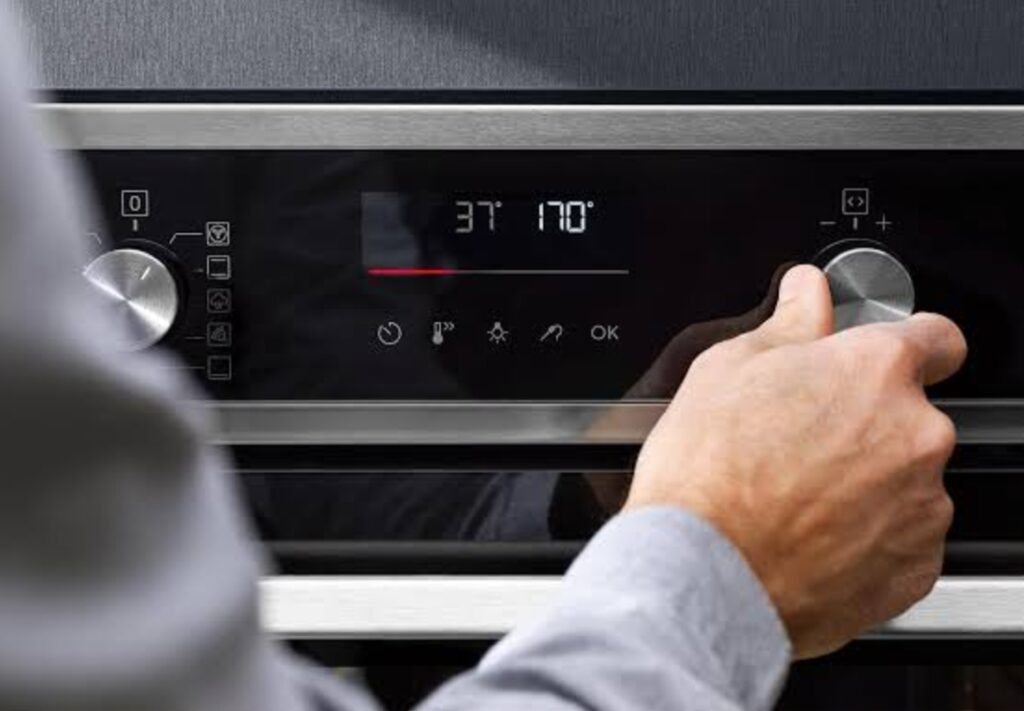
Industrial Process & Oven Temperature Monitoring
High-ambient environments such as reflow ovens, ceramics kilns, and food processing lines subject displays to heat and electrical noise.
- The Challenge: Standard displays may suffer from segment fading, epoxy yellowing, and solder joint fatigue when mounted close to heat chambers.
- The LIGHTBO Solution: LIGHTBO supplies high-temperature-resistant custom LED displays featuring durable epoxy materials and high-contrast faceplates. These solutions improve readability, reduce ghosting, and maintain performance in 24/7 continuous process lines.
Commercial Thermostats & HVAC Controls
Commercial thermostats and heat pump controllers demand attractive interfaces with clear visual feedback.
- The Challenge: Display panels must remain readable in bright environments while maintaining low power consumption in smart energy systems.
- The LIGHTBO Solution: LIGHTBO provides customized multi-digit thermostat LED display solutions using efficient LED technology. With optimized brightness control, these displays deliver clear visibility for modern HVAC systems.
Partner with LIGHTBO for Custom Temperature Display Engineering
Finding the right temperature controller LED display requires balancing electrical compatibility, optical performance, and environmental durability. Whether you need a standard 3-digit 7-segment LED display, a high-resolution 4-digit 7-segment LED display, or a fully integrated custom temperature controller display, LIGHTBO delivers engineered solutions backed by professional manufacturing expertise.
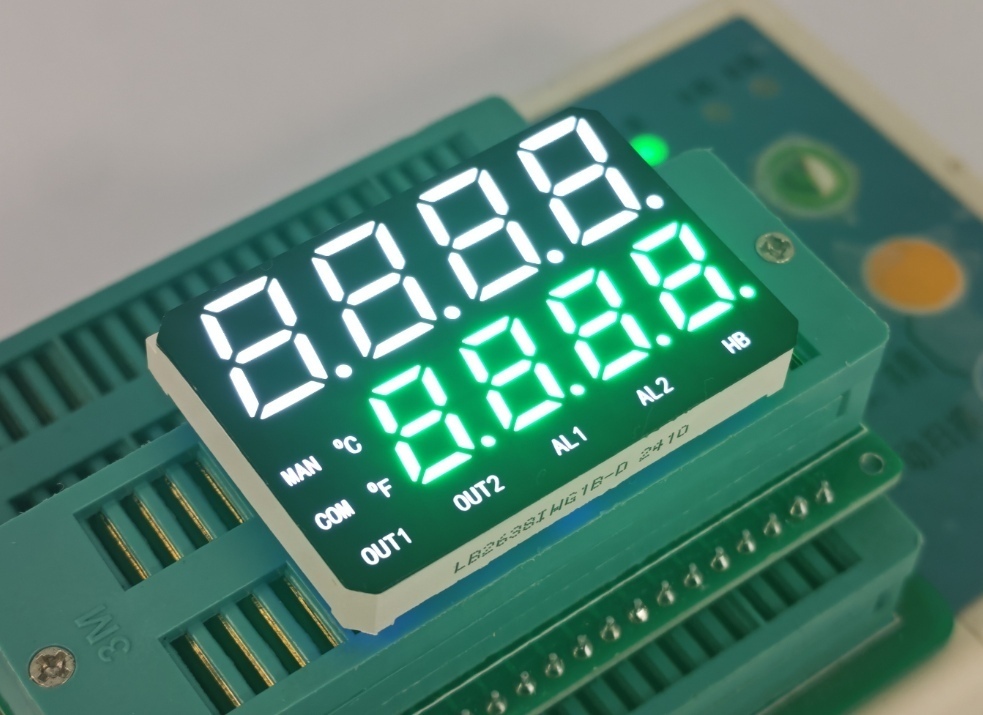
As an experienced 7-segment LED display manufacturer, LIGHTBO supports OEM projects with customized dimensions, pin layouts, brightness options, and display functions.
Ready to upgrade your thermal control panel? Contact LIGHTBO today to request custom samples, pinout documentation, or OEM quotation details.
FAQ
Q: What is the main difference between common anode and common cathode LED displays?
A: A common anode setup ties all LED positive terminals to one supply pin. Drivers must sink current in this case. A common cathode version instead joins the negative terminals to a shared ground pin, so drivers source the current.
Q: How do I choose the correct 7-segment display digit height for an industrial temperature display?
A: Pick 7-segment display digit height based on how far away viewers stand. Compact controllers work fine with smaller digits. Larger sizes help when operators read the industrial temperature display from across a factory floor or control room.
Q: Why are 7-segment LED displays preferred over LCD screens in harsh environments?
A: 7-segment LED displays stay bright and easy to read. They handle wide LED display operating temperature ranges from -40°C to +85°C without trouble. Low-light plant conditions do not affect their steady performance either.
Q: Can custom icons like °C, °F, or fan status be integrated into a 7-segment LED display?
A: Yes. A custom temperature controller display can add fixed symbols, extra segments, and special pin layouts. These features match exact needs for OEM thermostat or controller builds right from the start.


