
Custom Low Power LED Displays for Energy Efficient Devices
Time : Oct 01, 2026 Visualizzazione : 143
In an era dominated by portable electronics, Internet of Things (IoT) sensors, and smart infrastructure, power efficiency has evolved from a secondary feature into a mandatory design requirement. Display interfaces often account for a substantial portion of a system’s operational power budget, presenting hardware engineers with difficult architectural trade-offs:
- Traditional numerical displays can increase LED display power consumption, rapidly depleting battery reserves.
- Operating standard displays at lower drive currents often leads to uneven segment brightness and poor visibility, creating demand for a specialized low-current LED display.
- Standard off-the-shelf displays impose fixed dimensions and pinouts that waste precious PCB space.
To overcome these engineering constraints, opting for a custom low-power LED display offers an optimal balance between crisp visual readability and extended operational lifespan. As a dedicated custom LED display manufacturer, LIGHTBO公司 provides tailored optical and electronic solutions designed specifically to reduce display power draw while ensuring long-term reliability for battery-powered systems.
Understanding Power Consumption in Digital LED Displays
Minimizing total LED display power consumption in digital display modules requires a comprehensive analysis of forward drive currents, optical efficiency, and driver circuit architecture.
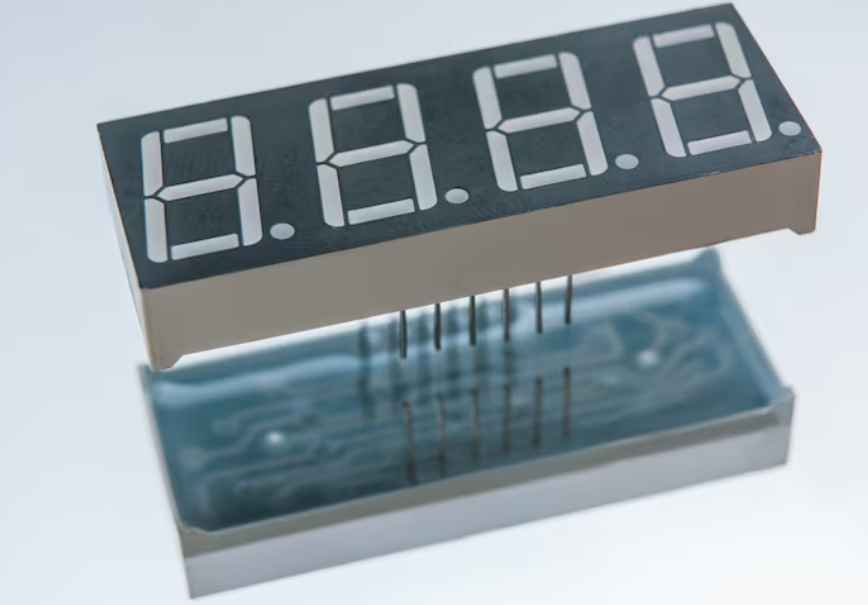
Key Factors Influencing 7 Segment LED Display Power Consumption
Several fundamental hardware variables directly dictate the overall energy footprint of a numeric LED display module.
- Forward Current (IF) Requirements: Conventional Display LED a 7 segmenti power consumption typically stems from operating currents of 10mA to 20mA per segment, whereas a specialized low-current LED display can achieve identical luminous intensity at just 1mA to 3mA per segment.
- Multiplexed LED Display Driving: A multiplexed LED display configuration reduces peak current draw and minimizes driver pin count compared to direct static driving.
- Digit Size and Segment Geometry: Larger character heights demand larger active die areas, directly increasing baseline LED display power consumption if optical diffusion is not properly optimized.
The Role of Drive Architecture: Constant Current LED Driver and PWM Dimming
Modern drive methods help hardware designers maintain even visual contrast and cut down on wasted power.
- Constant Current LED Driver Integration: A constant current LED driver stops current spikes from changing supply voltages. This keeps brightness steady through the full battery cycle.
- PWM Dimming LED Display Control: A PWM dimming LED display setup lets you adjust the duty cycle. It reduces brightness in real time when light is low to save energy.
- Optimized Strobe Frequencies: Setting refresh rates in a multiplexed LED display avoids flicker. It also shortens active duty cycles so sleep mode lasts longer.
Engineering High-Efficiency Low-Current LED Display Solutions
Creating a numeric display module that draws very little power means picking the right chips at the semiconductor level and using accurate custom packaging. A solid low-power LED display keeps a good balance between light output, drive current, heat handling, and PCB layout.
Material Selection and Optics for Low Power LED Display Modules
Picking good optoelectronic materials lets a low-power LED display module reach high brightness even when running at microamp to milliamp currents.
- High-Efficiency Semiconductor Dies: Top AlGaInP and InGaN die structures give stronger lumen output per watt than basic LED chips.
- Precision Surface-Mount Packages: An SMD LED display design cuts down package resistance, frees up board space, and works well with automated SMT assembly lines.
- Advanced Reflector Cavities and Epoxy Fill: Special reflectors focus the light forward. This boosts contrast even at low drive currents.
These steps help build an energy-efficient LED display while keeping the display easy to read.
Customization Capabilities of a Dedicated Custom LED Display Manufacturer
Custom engineering eliminates redundant components, matching exact electrical, mechanical, and visual requirements for OEM applications.
- Tailored Low Power LED Display Module Design: Customizing segment shapes, special icons, decimal placement, and pinout arrangements ensures seamless integration into compact enclosures.
- Integrated Driver PCB Assemblies: Combining a custom low-power LED display or low-power 7-segment LED display with on-board driver ICs creates plug-and-play smart modules that reduce microcontroller processing overhead.
- Rapid Prototyping and Technical Support: Experienced engineering teams assist with optical simulation, pinout optimization, and thermal evaluation to shorten development cycles.
Practical Applications for Battery-Powered and Energy-Sensitive Devices
High-efficiency numeric and customized segment displays are deployed extensively across industries where reliability and battery longevity are critical.
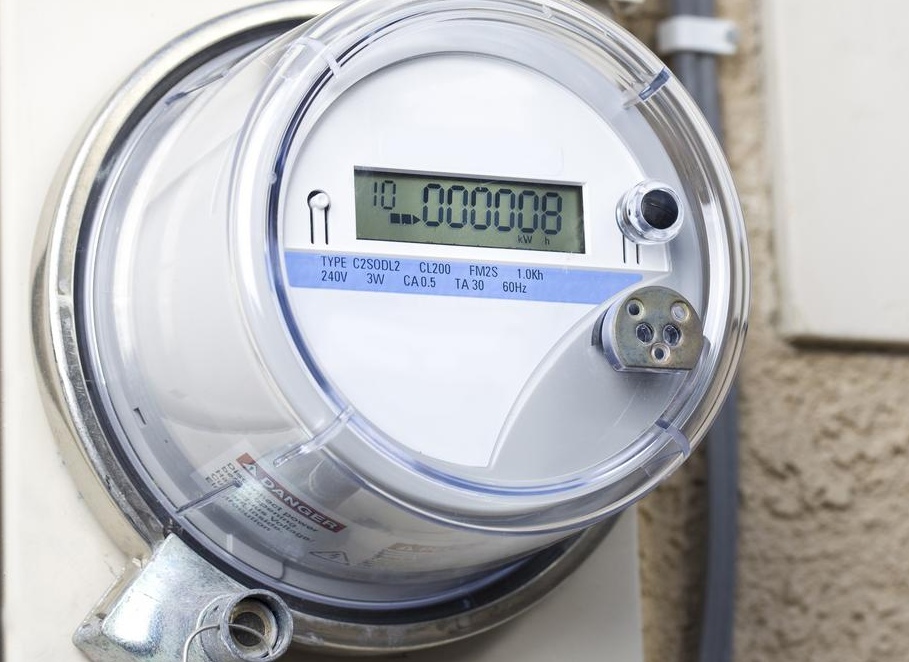
Smart Metering and Industrial Monitoring Instrumentation
Utility meters and industrial field instruments must function continuously for over a decade on a single internal battery.
- Gas, Water, and Electricity Smart Meters: Installing a low-power LED display module allows technicians to read real-time usage data clearly during manual audits without draining baseline system power.
- Portable Environmental Monitors: Compact, low-power 7-segment LED display units provide instant hazard alerts in outdoor industrial environments while preserving portable battery life.
Portable Medical Devices and Wearable Health Monitors
Handheld medical diagnostic equipment requires clear, instantly readable numerical data that remains stable regardless of battery voltage drain.
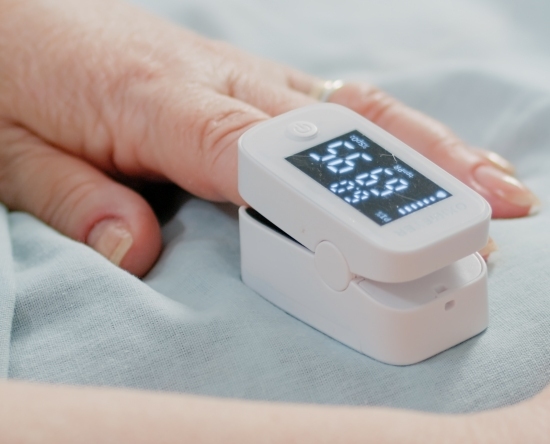
- Battery-Powered Pulse Oximeters and Monitors: Integrating an energy-efficient LED display guarantees immediate visual legibility in clinical settings without compromising battery endurance.
- Handheld Diagnostic Scanners: Custom SMD LED display modules fit ultra-thin enclosures while conserving power during continuous patient testing.
Smart Home Appliances and IoT Edge Gateways
Modern home automation products demand crisp aesthetic displays that conform to strict global energy efficiency standards.
- Smart Thermostats and Digital Locks: Utilizing an energy-efficient LED display allows sleek UI interfaces that remain low-bright or dormant until motion activation occurs.
- Energy Star Compliant Appliances: Integrating a multiplexed LED display helps household appliances meet stringent standby power consumption guidelines.
Why Partner with LIGHTBO for Your Low-Power Display Needs
Working with a skilled manufacturer helps your display parts achieve strong optical performance, precise fit, and steady quality in large-scale production.
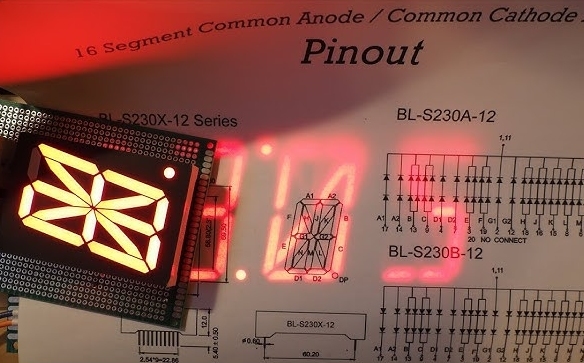
LIGHTBO focuses on designing and making reliable low-power LED display solutions for applications where energy use matters most:
- End-to-End Customization: Full OEM/ODM engineering support ranging from initial optical schematic design and customized tooling to automated SMT board integration.
- Precision Die Binning: Strict luminous intensity and wavelength binning to guarantee uniform segment brightness even at ultra-low operating currents (IF ≤ 2 mA).
- Robust Quality Control: ISO-certified manufacturing protocols backed by automated optical inspection (AOI) to ensure high yield and long operational lifespans.
- Flexible Volume Manufacturing: Scalable production capabilities tailored to support rapid prototyping through high-volume global rollouts.
Ready to Optimize Your Display Power Budget?
Upgrade your next-generation battery-powered devices with a custom low-power LED display engineered to your exact specifications. Contatta LIGHTBO oggi to request engineering samples, submit your custom project drawings, or consult directly with our display specialists.
Domande frequenti
Q: How is a low-power 7-segment LED display superior to the normal LCD displays in portable devices?
A: Although normal LCDs are known to have reduced static power, low-power 7-segment LED displays can offer greater wide-angle readability, increased contrast ratio, high speed, and consistent performance in a wide range of temperatures (-40°C – 85°C) without any need for additional backlight.
Q: What is the operational current of a low-current LED display segment?
A: A high-efficiency, low-current LED display can operate efficiently between 1mA and 3mA per segment, while an ordinary LED segment display requires a minimum of 10mA to 20mA per segment.
Q: What makes the use of constant current LED drivers better in battery-operated gadgets?
A: Constant-current LED drivers help maintain consistent display luminance as the battery voltage decreases, without any resistive energy loss in comparison to traditional current-limiting resistors.
Q: How does a multiplexed LED display configuration conserve system power?
A: A multiplexed LED display rapidly strobes individual digits or segment groups sequentially rather than driving all segments continuously, reducing overall peak current demand and decreasing MCU GPIO pin requirements.


