
Master Multicolor LED Integration: Pro Tipps von LIGHTBO
Zeit : Apr 10, 2026 Ansicht : 1,487
Geschäftskäufer, die starke visuelle Displays suchen, müssen oft mehrere Farben auf einer Leiterplatte (PCB) passen. Das geht über einfache Aussehen hinaus; Es dient einem praktischen Zweck. Nehmen Sie einen medizinischen Bildschirm, der dringende rote Warnungen neben stabilen blauen Statuslampen zeigt. Oder betrachten Sie ein Premium-Küchengerät mit einer klaren weißen Uhr und gelben Funktionssymbolen. In diesen Fällen setzt die Kombination von Farben den Maßstab.
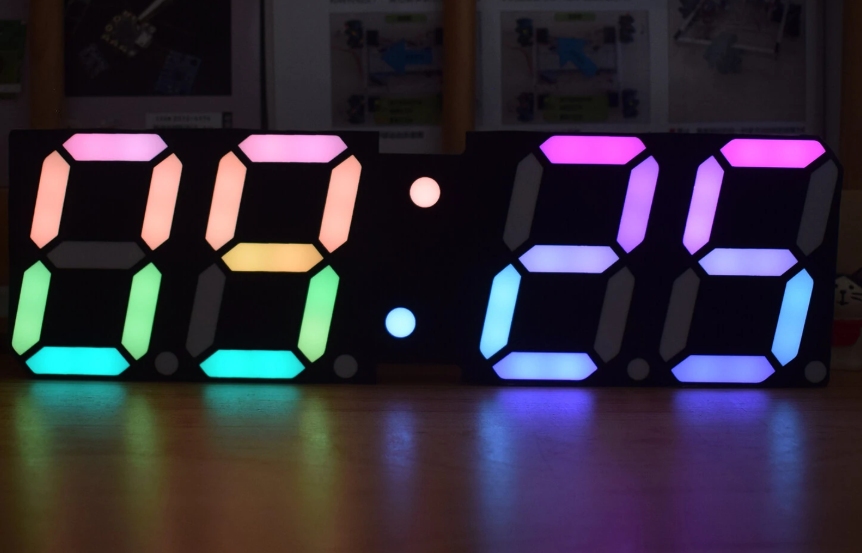
Bei LichtWir konzentrieren uns auf die genaue Technik, die erforderlich ist, um verschiedene Lichtwellenlängen in einer Einheit zu passen. Wir tun dies, ohne die Lichtstärke oder die dauerhafte Leistung zu reduzieren. Diese Übersicht umfasst die wichtigsten Methoden zur Kombination von Farben. Es erklärt auch, wie Sie Ihr Setup für die besten Ergebnisse anpassen können.
Die Engineering Logik der Multicolor LED Integration
Verschiedene LED-Farben auf einem Board zu setzen erfordert sorgfältige Planung. Es beinhaltet die Anpassung des Strombedarfs und die Handhabung der Wärmeaufnahme.
Verwalten von Vorwärtsspannungs-Variationen (Vf)
Jede Farbe stammt aus spezifischen Halbleitermaterialien. Rote und gelbe LEDs verlassen sich in der Regel auf AlGaInP. Blau, Grün und Weiß hängen von InGaN ab.
- Spannungsdifferenz: Rote LEDs arbeiten bei etwa 1,8V bis 2,2V. Blaue oder weiße LEDs hingegen benötigen 3,0V bis 3,4V.
- Schaltungslösung: Um gleichmäßige Lichtniveaus in einem Mehrfarbiges LIGHTBO Displayfügen wir separate strombegrenzende Widerstände hinzu. Oder wir verwenden mehrkanale Konstantstromtreiber. Diese Schritte verhindern, dass niedrigere Spannungsteile zu viel Strom ziehen.
Optische Isolation und Lichtblutungsprävention
Wenn die Farben eng zusammenstehen, kann Licht von der einen in die andere fließen. Zum Beispiel kann sich rotes Licht mit einem nahe gelegenen Grünbereich mischen.
- Innenreflektoren: Wir tragen dicke weiße oder schwarze Kunststoffgehäuse auf. Dazu gehören genau geformte innere Barrieren.
- Individuelle Epoxide: Getönte oder gestreute Epoxidmaterialien helfen, das Licht in seinem zugewiesenen Ort zu halten.
Strategische Komponentenauswahl: Der Vorteil von LIGHTBO
Gute Ergebnisse beginnen mit der Auswahl von Teilen, die reibungslos als Gruppe funktionieren.
Einheitliche Intensitätsbindung
Ein häufiges Problem mit mehrfarbigen Bretten ist, dass eine Farbe viel heller leuchtet als der Rest.
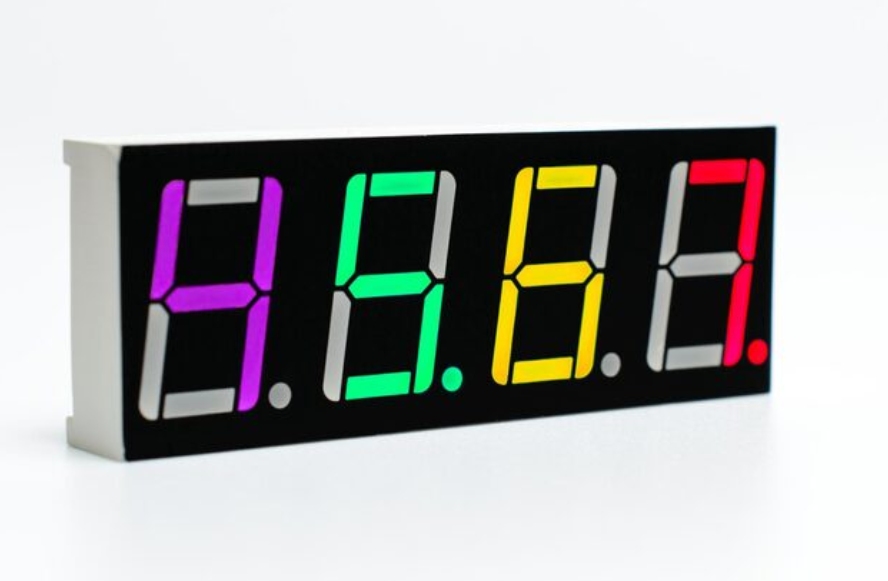
- Luminous Intensity Matching: LIGHTBO führt detaillierte Binning-Kontrollen durch. Wir passen die Millicandela-Werte (mcd) über Farben hinweg ab. Auf diese Weise sieht das Display sogar ins Auge.
- Farbkonsistenz: Unsere Produktion hält strenge MacAdam Ellipse Grenzen. Als Ergebnis, alle “ Grün” Teile in einem Charge erscheinen gleich.
Gemeinsame Anode vs. Gemeinsame Kathode Vielseitigkeit
Um die Leiterplattenverdrahtung in mehrfarbigen Designs zu erleichtern, bieten wir verschiedene Anschlussmöglichkeiten.
- Gemeinsame Anode: Viele Benutzer wählen diese für seine Passform mit gemeinsamen LED-Treiber-Chips.
- Platzsparende Fußabdrücke: Unsere mehrstelligen Mehrfarbdisplays verfügen über kleine Anschlusslayouts. Sie helfen, Bordschichten und Produktionskosten zu senken.
Verbesserung der Benutzererfahrung durch gezielte Anwendungen
Die Kombination von Farben löst wichtige Herausforderungen in verschiedenen Bereichen. Im Folgenden zeigen wir, wie LIGHTBO Produkte reale Anforderungen bewältigen.
Medizinische diagnostische Ausrüstung
- Das Problem: In einer beschäftigten ICU muss das Personal “ Normaler Betrieb ” “ Warnung,” or “ Kritischer Alarm” Schnell aus der Entfernung.
- Die Lösung: Wir verwenden ein LIGHTBO 14-Segment alphanumerische AnzeigeEs mischt Grün für normal, Bernstein für Vorsicht und Rot für Notfälle.
- Vorteil: Es liefert schnelle, wortfreie Signale. Diese verkürzen die Reaktionszeiten und unterstützen eine bessere Patientenversorgung.
Industrielle Stromrichter und UPS-Systeme
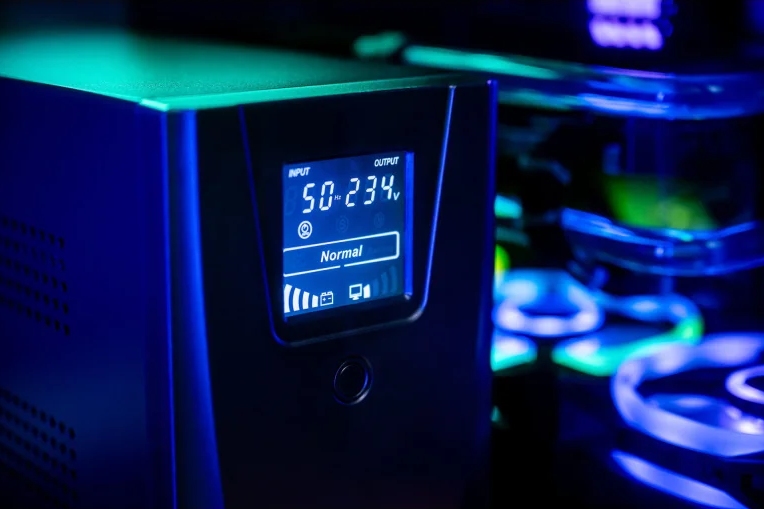
- Das Problem: Betreiber wollen die Batterieladung, die Belastungsniveaus und die Fehlercodes auf einmal sehen. Sie vermeiden, durch Bildschirme zu flippen.
- Die Lösung: Wir kombinieren einen mehrfarbigen Balkengraf mit einem 7-Segment-Nummernbildschirm. Eine blaue Bar zeigt das Laden. A Red “ Fehler” Licht wird nur bei Überlastungen eingeschaltet.
- Vorteil: Diese halten gut in heißen Fabrikeinstellungen bis zu 85°C. Das Display bleibt über Jahre der rund um die Uhr Verwendung klar und wahr.
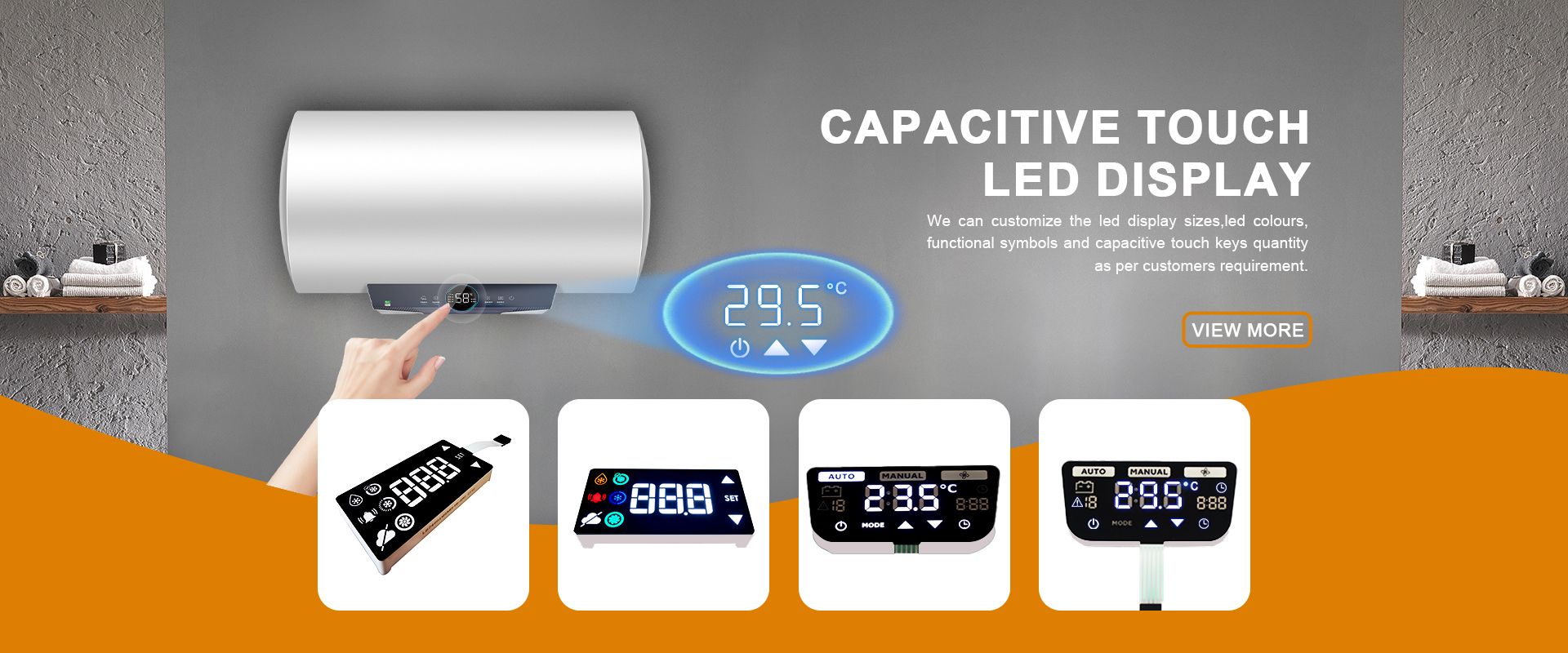
Smart Home und Küchengeräte
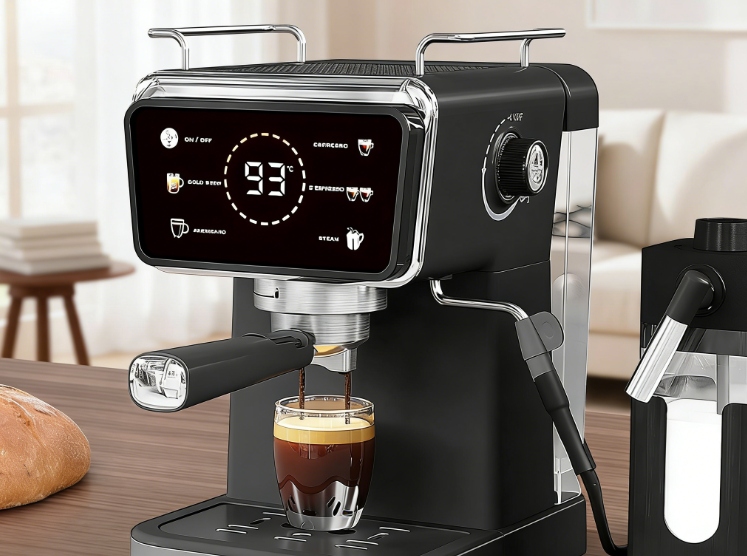
- Das Problem: Neue Öfen und Frätter fordern ein hochwertiges Aussehen. Grundrote Displays scheinen grundlegend und altmodisch.
- Die Lösung: Ein maßgeschneidertes LIGHTBO Panel verwendet “ Eisblau” für Timer und “ Reines Weiß” für Symbole.
- Vorteil: Starker Kontrast hält es in hellen Küchenleuchten oder hinter getönten Ofentüren lesbar.
Designen für Langlebigkeit: Thermische und elektrische Tipps
Das Mischen von Farben bedeutet auch den Umgang mit unterschiedlichen Wärmeniveaus. Intelligente Wärmesteuerung verhindert, dass rote Bereiche im Laufe der Zeit schneller verblassen als blaue.
Thermisches Expansion Management
LED-Chips wachsen mit unterschiedlichen Geschwindigkeiten, wenn sie erhitzt werden. LIGHTBO wählt qualitativ hochwertige Bleirahmen. Sie ziehen Wärme vom Chip effektiv auf die Plattenpfade.
- Pro-Tipp: In mehrfarbigen Setups positionieren Sie die wärmsten LEDs, wie High-Power-Weiß oder Blau, in der Nähe des Displays’ Außenrändern. Dies fördert einen besseren Luftstrom.
Pulsbreitenmodulation (PWM) Dimming
Für die richtige Farbmischung oder zur Senkung der Helligkeit in der Nacht funktioniert PWM besser als das Schneiden von konstanten Strom. Es hält die Farbpositionen stabil.
LIGHTBO Displays bewältigen schnelles Schalten gut. Dadurch wird das Flimmern in Telefonkameras vermieden, was für intelligente Geräte wichtig ist, die oft in Videos oder Beiträgen aufgenommen werden.
Warum mit LIGHTBO zusammenarbeiten?
Bei LIGHTBO bieten wir mehr als Teile. Wir bieten komplette optische Signalisierungsmöglichkeiten.
- Anpassung: Wir mischen Farben in einer Stelle oder im gesamten Modul.
- Zuverlässigkeit: Jede Bestellung erhält gründliche Aufwärmtests. Dies garantiert keine toten Flecken, wenn es Ihre Produktion erreicht.
- Technischer Support: Unser Team hilft Ihnen, Widerstandsgrößen und Treiberbedarf für Ihren genauen Farbplan herauszufinden.
Schlussfolgerung
Die Montage mehrerer LED-Farben auf einem Board hebt Ihr Produkt’ Der Nutzer appelliert am meisten. Mit LIGHTBO erscheint Ihr Display lebendig, gleichmäßig und ausgehalten.
Bereit, Ihre Display-Schnittstelle zu aktualisieren?
[Kontaktieren Sie LIGHTBO heute für eine kundenspezifische Designberatung und Proben]
FAQ (häufig gestellte Fragen)
F: Kann ich hochhelle und standardhelle LEDs auf derselben Platte mischen?
A: Ja, aber Sie müssen Widerstände vorsichtig einstellen oder PWM verwenden. Dies verhindert, dass regelmäßige LEDs von den helleren überwältigt werden.
F: Was ist die häufigste Ursache für Farbwechseln in Multicolor-Displays?
A: Zu viel Hitze steht an der Spitze der Liste. Wenn die Temperaturen steigen, bewegt sich die Hauptlichtwelle in LEDs, insbesondere Rot und Gelb. Ihre Leistung fällt schneller ab als bei blauen LEDs.
F: Gibt es Einschränkungen, welche Farben in einer einzigen 7-Segment-Ziffer platziert werden können?
A: In der Regel nicht, obwohl es Herausforderungen in der Produktion stellt. LIGHTBO wendet spezielle Formgebung an, um jedes Licht-Crossover in “ Bi-Farbe” Gebiete.
F: Wie wirkt sich die Wahl der Gesichtsfarbe (Grau vs. Schwarz) auf mehrfarbige Displays aus?
A: Schwarze Oberflächen geben den scharfsten Kontrast und lassen die Farben auffallen. Dies passt zu Luxusgeräten. Graue Oberflächen verbessern die Sichtbarkeit im direkten Sonnenlicht für den Außenbereich.


