
Wie man leistungsstarke alphanumerische LED-Anzeigen entwirft
Zeitpunkt: 9. Juli 2026 Ansicht : 657
Heutzutage sind viele hochauflösende Grafikdisplays auf dem Markt erhältlich. Dennoch bleibt das klassische alphanumerische LED-Display in der Industrie-, Medizin- und Unterhaltungselektronik unverzichtbar. Anwender benötigen oft schnelle Lesbarkeit, zuverlässige Leistung über einen weiten Temperaturbereich und geringen Stromverbrauch. Grafikdisplays können diese Anforderungen mitunter nicht erfüllen. Die Entwicklung einer Benutzeroberfläche mit klarem Text und stabilem Betrieb unter anspruchsvollen Bedingungen erfordert sorgfältige Designarbeit.
Licht Das Unternehmen zählt zu den führenden Herstellern von Hochleistungs-Optoelektronik. Seit über zwanzig Jahren entwickelt es fortschrittliche Displaylösungen, die komplexe Datendarstellung mit robuster Hardware verbinden. Dieser Leitfaden beschreibt die wichtigsten technischen Schritte zur Erstellung leistungsstarker alphanumerischer Schnittstellen mit 14-Segment- und 16-Segment-Anzeigen.
Alphanumerische Architektur verstehen: 14-Segment- vs. 16-Segment-Anzeigen
Bevor wir uns mit Gestaltungsprinzipien befassen, ist es wichtig zu verstehen, wie die Segmentarchitektur die Zeichendarstellung und die visuelle Klarheit beeinflusst. Während eine Standard-7-Segment-Anzeige numerische Werte perfekt darstellt, benötigen Textzeichenketten eine komplexere Segmenttopologie.
Die richtige Topologie für komplexe Zeichen auswählen
Die Wahl zwischen 14 und 16 Segmenten hängt direkt von den typografischen Anforderungen Ihrer Benutzeroberfläche ab.
- 14-Segment-Anzeige Architektur: Dieses Layout, oft auch als „Union Jack“-Design bezeichnet, verwendet vierzehn separate interne Balken, um alle 26 Buchstaben des englischen Alphabets in Großbuchstaben sowie arabische Ziffern darzustellen. Es eignet sich hervorragend für allgemeine Textmeldungen, Fehlercodes und einfache Scrollmenüs.
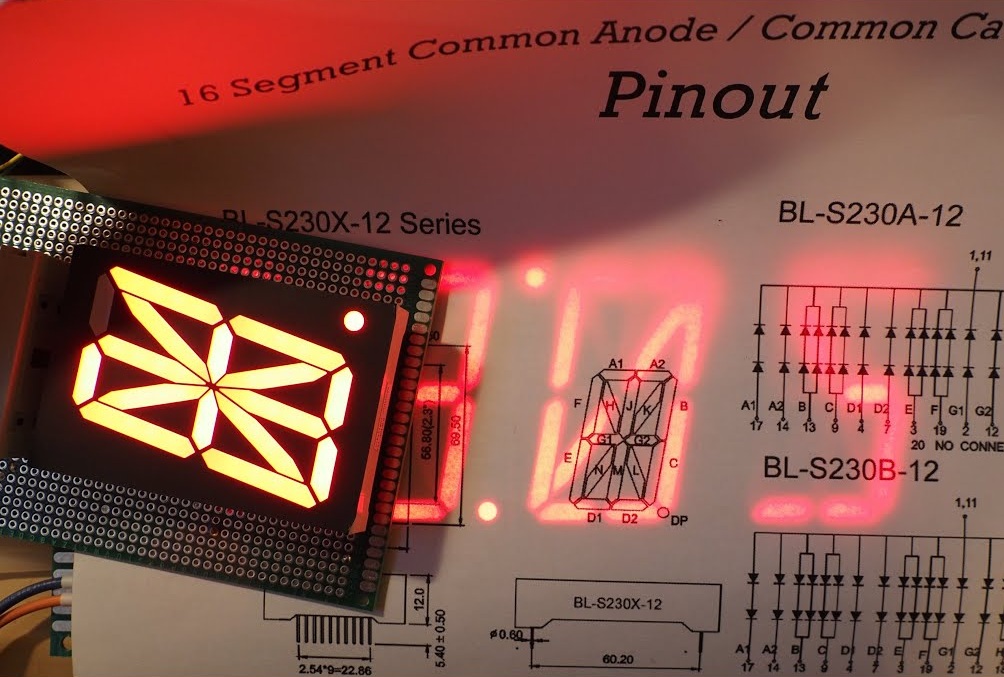
- 16-Segment-Anzeige Architektur: Dieses Design teilt die oberen und unteren horizontalen Balken in zwei Hälften. Durch das Hinzufügen dieser beiden Segmente wird die kantige Darstellung komplexer Zeichen wie der Buchstaben K, W, X und der Ziffer 7 vermieden. Wenn Ihre Benutzeroberfläche viele komplexe Symbole, mathematische Variablen oder Annäherungen an Kleinbuchstaben verwendet, verbessert das 16-Segment-Layout die Lesegenauigkeit deutlich und reduziert die kognitive Ermüdung des Benutzers.
Wichtige technische Überlegungen für Hochleistungs-LED-Schnittstellen
Die Entwicklung eines zuverlässigen Displays erfordert ein ausgewogenes Verhältnis zwischen optischer Helligkeit, Stromverbrauch und mechanischen Einschränkungen. Die Vernachlässigung dieser Parameter kann zu ungleichmäßiger Segmentbeleuchtung, Geisterbildern oder vorzeitigem Bauteilverschleiß führen.
Steuerung der optischen Leistung und des Vorwärtsstroms
Um eine gleichmäßige Helligkeit in allen Segmenten zu erreichen, sind strenge Stromansteuerungstechniken und die Auswahl hochwertiger LED-Chips erforderlich.
- Aktuelle Anpassung: Da alphanumerische Anzeigen eine variable Anzahl von Segmenten gleichzeitig aufleuchten lassen (z. B. verwendet der Buchstabe „I“ deutlich weniger Segmente als „B“), muss Ihr Treiber einen konstanten Vorwärtsstrom aufrechterhalten (IF) pro Segment, um ein sichtbares Abdunkeln zu verhindern.
- Chipsortierung und -klassifizierung: LIGHTBO eliminiert Schwankungen der Lichtstärke zwischen den Segmenten durch die Verwendung eng klassierter LED-Chips. Dies garantiert, dass jedes Segment im gesamten Modul die gleiche Wellenlänge und Helligkeit emittiert.
- Wärmeableitung: Der kontinuierliche Betrieb von mehrsegmentigen Zeichen erzeugt lokale Wärme. Unsere Designs optimieren die interne Leadframe-Struktur, um den Wärmewiderstand zu senken und so Farbverschiebungen und Effizienzverluste zu vermeiden, die bei minderwertigen Displays häufig auftreten.
Optimierung von Multiplex-Ansteuerschemata
Um die Anzahl der Pins und die Gesamtkomplexität des Systems zu reduzieren, muss eine robuste Multiplexstrategie ordnungsgemäß implementiert werden.
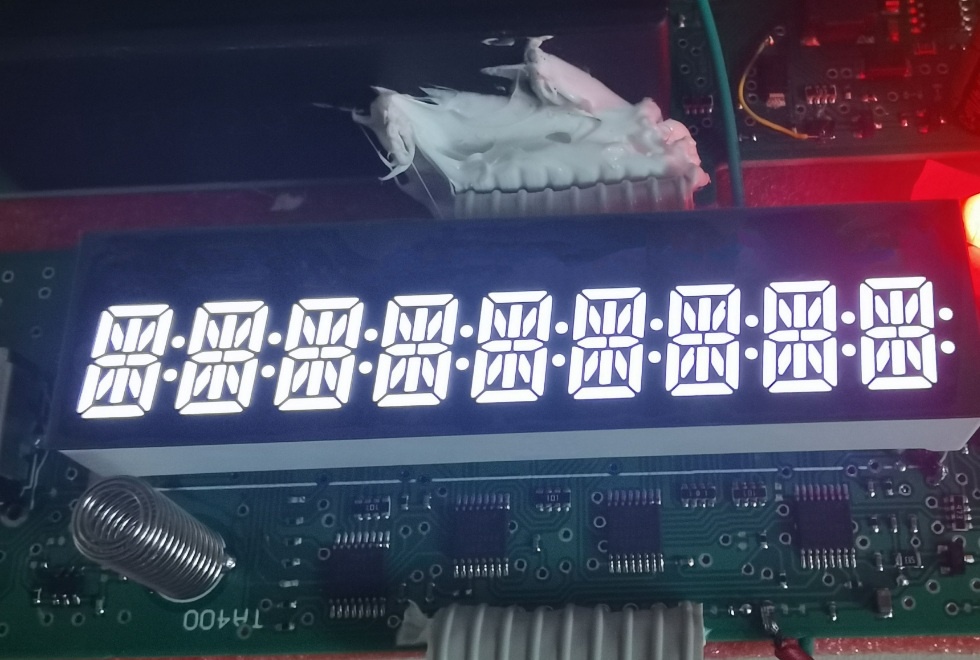
- Reduzierung der Pinanzahl: Die direkte Ansteuerung einer mehrstelligen 16-Segment-Anzeige erfordert eine unpraktisch hohe Anzahl an Mikrocontroller-I/O-Pins. Die Implementierung einer Multiplexmatrix mit gemeinsamer Anode oder gemeinsamer Kathode reduziert den benötigten Pin-Belegungsbedarf drastisch.
- Kalibrierung der Bildwiederholfrequenz: Um ein für das menschliche Auge wahrnehmbares Flimmern zu vermeiden, muss die gemultiplexte Bildwiederholfrequenz deutlich über 100 Hz liegen.
- Vermeidung von Geisterbildern: Schnelles Umschalten zwischen Segmenten kann dazu führen, dass Restladung benachbarte Segmente leicht aufleuchten lässt. Der Einsatz aktiver Pull-up- oder Pull-down-Widerstände in der Treiberschaltung gewährleistet saubere und klare Übergänge zwischen den Zeichen.
Herausforderungen in spezialisierten Branchen lösen
Alphanumerische Displays sind in anspruchsvollen Umgebungen, in denen grafische Bildschirme aufgrund von Temperatur- oder Kostenbeschränkungen versagen, unverzichtbare Komponenten. LIGHTBO ist auf die Entwicklung zielgerichteter Displaylösungen spezialisiert, die diesen strengen betrieblichen Anforderungen gerecht werden.
Verbesserung der Lesbarkeit in industriellen Instrumenten und Energiebereichen
Schwere Maschinen und Energieüberwachungssysteme benötigen kontrastreiche, robuste Messwerte, die unempfindlich gegenüber elektrischen Störungen sind.
- Die Herausforderung: Industrielle Bedienfelder leiden oft unter starker Umgebungsblendung und erheblichen elektromagnetischen Störungen (EMI), die die Daten auf grafischen LCDs verfälschen können.
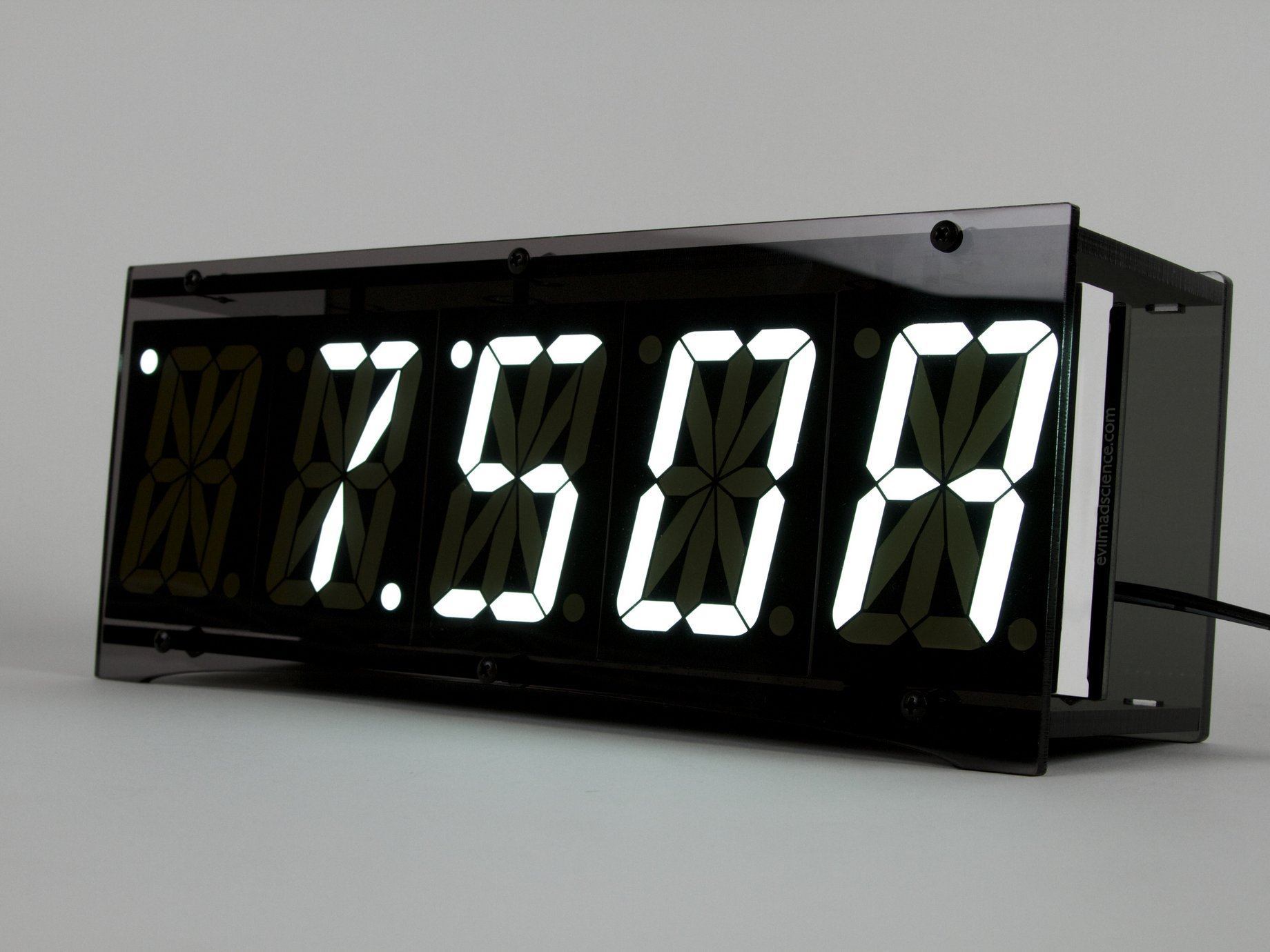
- Unsere Lösung: Die kontraststarken 14- und 16-Segment-Anzeigemodule von LIGHTBO verfügen über spezielle optische Diffusoren und Optionen für eine hohe Lichtstärke. Dadurch können Bediener vor Ort wichtige Spannungs-, Temperatur- oder Diagnosedaten sofort und aus der Ferne sowie aus verschiedenen Blickwinkeln ablesen – selbst bei direkter Sonneneinstrahlung oder in elektrisch störungsbehafteten Umgebungen.
Schnittstellen für Medizinprodukte und Haushaltsgeräte: Sicherheit und Zuverlässigkeit unter Belastung
Sowohl im klinischen als auch im häuslichen Umfeld müssen Displays weite Betrachtungswinkel und fehlerfreie Lesbarkeit bieten.
- Die Herausforderung: Krankenhauspumpen und hochwertige Küchengeräte werden ständig mit aggressiven Chemikalien gereinigt und arbeiten unter feuchten Bedingungen, was empfindliche Touchscreens beschädigen kann.
- Unsere Lösung: Durch die Einbettung der alphanumerischen Displays von LIGHTBO hinter versiegelten, chemikalienbeständigen Schutzfolien schaffen Hersteller eine robuste Benutzeroberfläche. Unsere Displays bieten sofortige Reaktionszeiten und keine Software-Startverzögerung, sodass wichtige medizinische Alarme oder Temperaturmesswerte ohne Verzögerung angezeigt werden.
Produktionsoptimierung mit LichtTechnische Dienstleistungen und OEM-Services
Der Übergang vom Prototyp zur Serienproduktion erfordert einen erfahrenen Partner, der Displays exakt an Ihre Hardwareanforderungen anpassen kann. Unser Produktionsökosystem ist darauf ausgelegt, spezielle Modifikationen nahtlos zu realisieren.
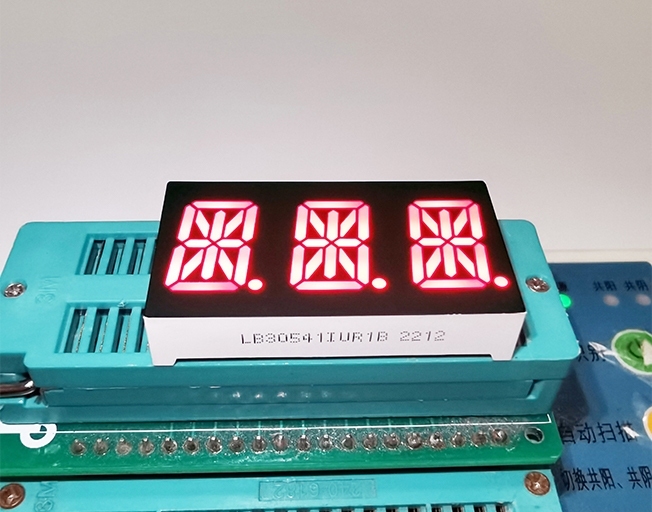
Maßgeschneiderte ODM/OEM- und fortschrittliche Maschinenbauleistungen
Unsere automatisierten Montagelinien und internen Ingenieurteams gewährleisten Ihre benutzerdefinierte LEDs Anzeige ist nach exakten elektrischen Toleranzen gefertigt.
- Kundenspezifische Formfaktoren: Egal, ob Ihr Projekt ein ultradünnes Profil, eine bestimmte Pinbelegung oder individuelle Zeichenhöhen erfordert, das interne Designteam von LIGHTBO kann unsere 14- und 16-Segment-Modelle an Ihr mechanisches Gehäuse anpassen.
- Strenge Qualitätskontrolle: Jedes von uns gefertigte Displaymodul wird in unseren Speziallaboren gründlichen Umwelttests unterzogen. Wir halten uns strikt an die RoHS-Konformitätsstandards und führen umfassende Lieferantenbewertungen durch, um sicherzustellen, dass Ihre Komponenten für stark regulierte Märkte geeignet sind.
Maximieren Sie das Schnittstellenpotenzial Ihres Produkts
Für die Entwicklung einer leistungsstarken Benutzeroberfläche sind Komponenten erforderlich, die Präzision und robuste Zuverlässigkeit vereinen. LIGHTBO bietet Ihnen die fortschrittlichen 14- und 16-Segment-LED-Displays, mit denen Ihre Produkte sich von der Konkurrenz abheben – unterstützt durch eine erstklassige Fertigungsanlage und ein kompetentes technisches Support-Team.
Sind Sie bereit, Ihr Interface-Design zu modernisieren? Kontaktieren Sie noch heute unser Ingenieurteam. bei Licht2@Licht.cn Sie erhalten eine individuelle Designberatung, Konstruktionszeichnungen und Produktmuster, die genau auf Ihre Projektparameter zugeschnitten sind.
FAQ (häufig gestellte Fragen)
F: Warum sollte man für alphanumerische Schnittstellen eine 16-Segment-Anzeige einer 14-Segment-Anzeige vorziehen?
A: Eine 16-Segment-Anzeige teilt die oberen und unteren Balken. Durch diese Aufteilung lassen sich Buchstaben wie K, W und X klarer darstellen. Auch mathematische Symbole sind besser erkennbar als auf einem 14-Segment-Modell.
F: Was ist die effektivste Methode, um Geisterbilder in einer multiplexierten alphanumerischen LED-Schaltung zu eliminieren?
A: Das Ghosting verschwindet, wenn der Treibercode eine kurze Pause zwischen den Ziffernumschaltungen einfügt. Gleichzeitig wird die Restladung durch Pull-up- oder Pull-down-Widerstände an den Segmentleitungen abgeleitet.
F: Wie beeinflussen Umgebungstemperaturen die Leistung alphanumerischer LEDs, und wie lässt sich diesem Effekt entgegenwirken?
A: Höhere Temperaturen verringern die LED-Helligkeit und können die Farbe leicht verändern. Eine gute Wärmeableitung auf der Platine, stabile interne Anschlussrahmen und wärmekompensierende Treiber mit konstantem Strom sorgen für eine stabile Ausgangsleistung.
F: Können alphanumerische Displays an spezifische Betrachtungsbedingungen angepasst werden, z. B. an Nachtsichtgeräte oder extreme Sonneneinstrahlung?
A: Ja. Die Hersteller wählen während der Produktion LED-Chips mit der passenden Wellenlänge aus. Spezielle Abdeckplatten oder getöntes Epoxidharz reduzieren dann die Blendwirkung bei hellem Sonnenlicht oder sorgen für eine sichere Beleuchtung in der Nähe von Nachtsichtgeräten.


