
Top 5 Technical Reasons for LED Display Dimming and Professional Solutions
Time : Apr 03, 2026 View : 1,675
In the field of electronic components, a display that grows dim or loses its clear glow can frustrate users and hurt a product’s reputation. This issue appears in everything from medical equipment readouts to the temperature numbers on a modern oven. For companies that build these devices, dimming often points to a fixable technical matter rather than a total breakdown.
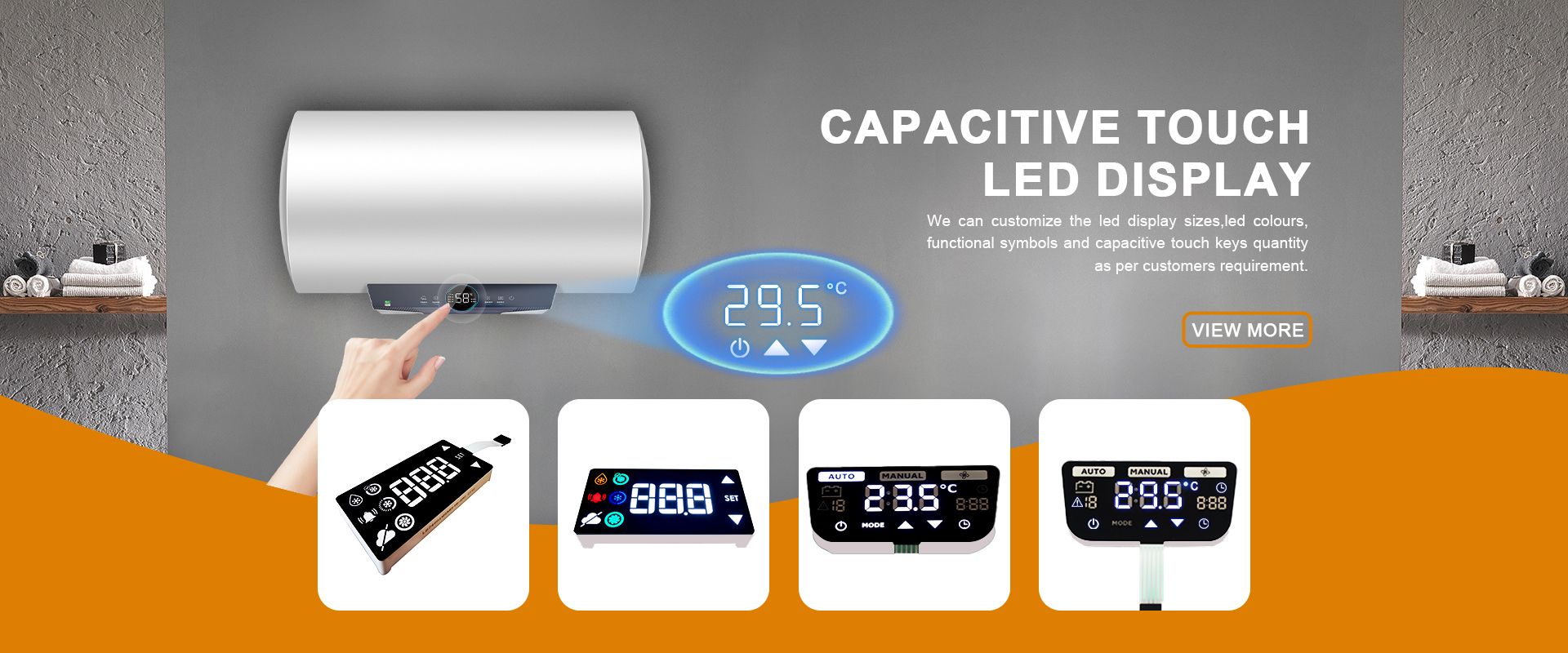
LIGHTBO started business in 2006 and has spent nearly twenty years focusing on LED digital tubes. The company operates from Shenzhen and follows a simple guiding idea of pursuing excellence. It supplies reliable, made-to-order display parts that serve household appliances, new energy equipment, and factory instruments around the world.
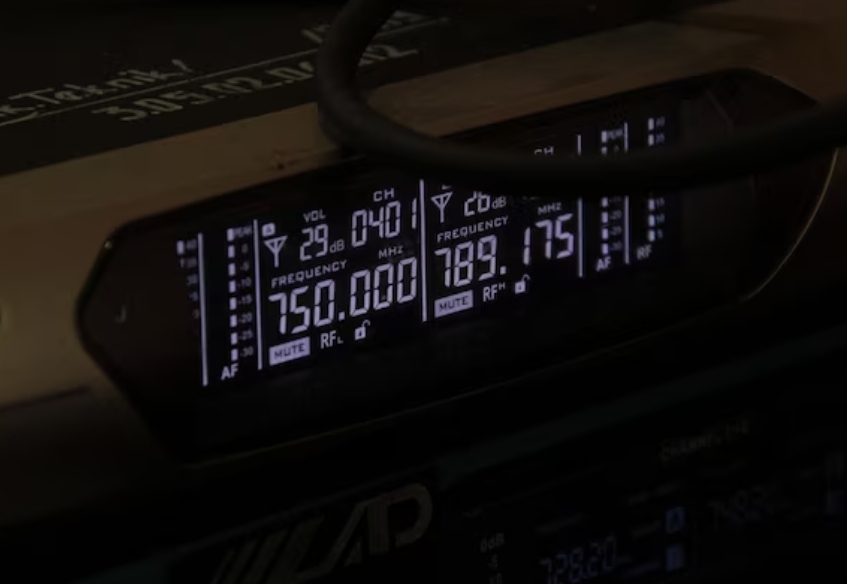
Finding out exactly why a display loses brightness marks the first real step toward a lasting fix. Below are the top five technical causes of LED dimming, along with practical ways to address them.
Improper Brightness Configuration and Software Settings
Many times, the display looks weak, not because of faulty parts but because of how the software is set up. Today’s LED modules often include smart controls that change brightness according to the time or to save power.
Calibrating via Internal Control Menus
When brightness seems low, start by checking the settings menu or the driver program.
- The Issue: Factory defaults or simple mistakes can drop the brightness level to just 10%–20% of full power.
- The Solution: Open the control software, such as NovaLCT or LED Studio, and look under Display Parameters. LIGHTBO builds its modules with custom control programs. These let manufacturers set fixed brightness or create daily schedules so the screen stays in a comfortable 50%–80% range. Users see sharp numbers without tiring their eyes.
Luminous Decay and Hardware Aging
Every LED slowly loses brightness over time as the lamp beads become less efficient. Lower-grade LEDs can drop to half strength in as little as six months.
Selecting High-Quality Materials for Longevity
Some aging happens naturally, yet the speed depends heavily on the materials chosen.
- The Issue: Cheap LED chips or basic covering materials turn yellowish from heat and block light from getting through.
- The Solution: Serious suppliers pick strong IC chips and better luminescent materials. LIGHTBO runs advanced automatic equipment and follows tight quality checks. As a result, its Ultra Bright White 7 Segment LED Displayskeep steady output even after 100,000 hours. In ovens where heat builds quickly, the company offers special high-temperature modules that hold off early dimming.
Power Supply Instability and Voltage Fluctuations
LEDs run on current. When the power line wavers or the voltage falls short, the diodes cannot reach their designed brightness.
Optimizing Power Terminals for Industrial Reliability
Power changes occur often in factory settings and new energy projects.
- The Issue: Loose terminals, corroded connectors, or a weakening power unit create voltage drops that reach the display module.
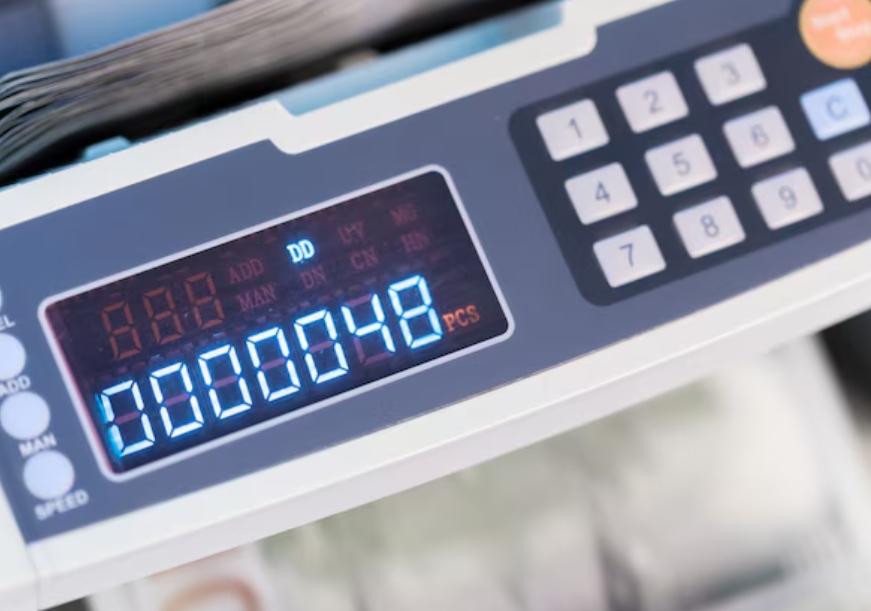
- The Solution: A quick check with a multimeter shows whether the output voltage matches the required 12V or 24V. LIGHTBO machines all terminals with high-precision tools and controls every step of assembly. This keeps Multicolor customization 7 Segment LED Displays for UPS systems bright and steady, even when incoming power varies.
Environmental Interference and High Ambient Light
A screen that tests bright in a quiet lab can look faded once placed in a sunny kitchen or a well-lit workshop. The real problem is usually contrast, not raw light output.
Contrast Optimization in Kitchen and Outdoor Scenarios
Displays need enough brightness to stand out against their surroundings.
- The Issue: Strong daylight from a window or bright overhead lamps in a warehouse can wash out the segments.
- The Solution: Raising the nit level helps a great deal. LIGHTBO designs Arrow LED Displays and SMD LED Displaysfor strong performance. Its 3-digit 12.7mm displays for refrigerators use high-contrast backgrounds so the green or blue numbers stay easy to read in busy, brightly lit kitchens.
Surface Contamination and Panel Maintenance
Dirt, grease, or moisture on the front surface often makes a display appear dim even when the LEDs work fine. These layers scatter light and cut clarity.
Protective Design and Transmission Integrity
Keeping the surface clean matters, but good design prevents problems before they start.
- The Issue: In busy kitchens or plants, oil films and fine dust collect quickly on the panel.
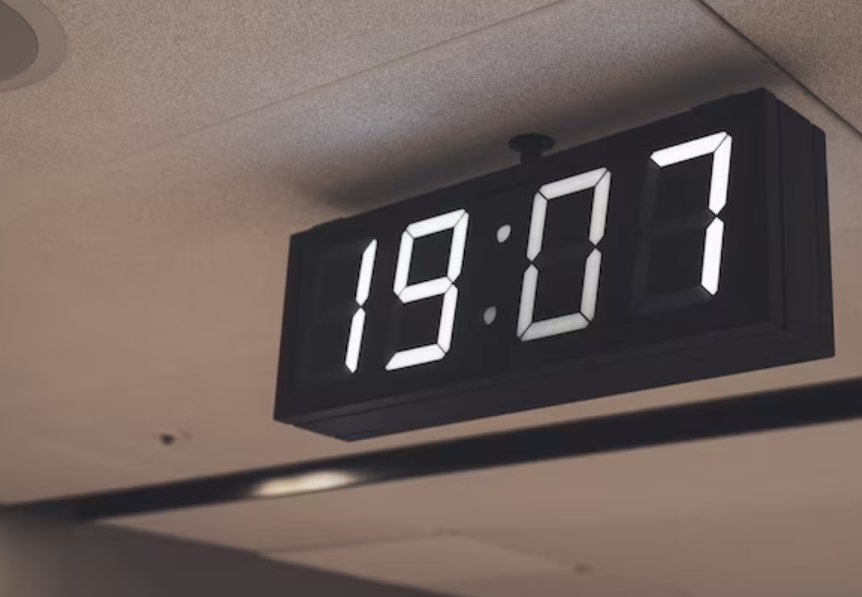
- The Solution: Gentle cleaning with a soft cloth and suitable LED cleaners helps for a while. Better still, LIGHTBO offers Edge-lighted LED Backlights and Custom LED Displays with solid protection ratings. These resist dust and moisture, so the optics inside stay clear in tough spots such as e-cigarette production lines or industrial power stations.
Solving Specific Industry Challenges: LIGHTBO in Action
LIGHTBO goes beyond selling parts and works to deliver complete answers for each customer.
Smart Appliances: Precision in Kitchen Environments
Kitchens test LEDs hard with steam and oven heat. Standard displays can fade fast under those conditions. LIGHTBO developed the Ultra Bright White Custom 7 Segment LED Display for Ovens for leading appliance makers. It uses stable driver chips and heat-resistant covering so the time and temperature numbers stay visible through the oven glass door, even after years of daily use.
New Energy and Industrial Instrumentation: Stability Under Pressure
Charging stations and UPS units need displays that stay readable day and night under changing light. LIGHTBO’s Multicolor 10-Segment LED Bar works as a clear battery indicator. Different colors—red, green, and yellow—keep their strength and true shade even in direct sun. Operators can check power levels at a glance without guessing.
Is your product’s display losing its impact? Do not let dimming affect the quality your customers expect. Talk with LIGHTBO today about high-brightness, long-lasting LED solutions matched to your exact needs.
[Contact LIGHTBO for a Professional Display Consultation]
FAQ
Q: What is the typical lifespan of a high-quality LED digital display?
A: A well-made professional LED display can run for up to 100,000 hours. Modules built with lower-grade chips often start showing clear dimming after 5,000 to 10,000 hours.
Q: Why does my LED display shift color as it gets dimmer?
A: The usual cause is uneven aging among the red, green, and blue sub-pixels. Quality modules apply point-to-point correction so colors stay balanced even as the display grows older.
Q: Can environmental heat cause a display to dim permanently?
A: Yes, high heat speeds up light decay and can soften the covering materials. This leads to lasting loss of brightness or failed segments. Good heat management plays a key role in keeping displays working longer.
Q: Should I choose SMD or DIP LEDs for maximum brightness?
A: SMD works best for close viewing in indoor appliances. DIP gives stronger results for longer distances or harsh outdoor conditions because it handles heat better and delivers higher light output.


