
Optimize LED Display Costs: High Quality at Lower Prices
Time : Apr 16, 2026 View : 1,403
In the tough world of industrial manufacturing and consumer electronics, the push to cut Bill of Materials (BOM) expenses while keeping strong performance remains a big hurdle. Product designers and procurement managers often face a tough choice: cling to overly robust parts that raise expenses, or gamble with quality using low-cost options?
At LIGHTBO, we support a better approach—Design to Cost (DTC). This method aims to fine-tune component details to fit the real needs of the final use, so you only spend on the features you actually require. Through careful picking of LED parts, you can gain real savings without harming the toughness or sharpness of your display.
Understanding the Pillars of Cost Optimization in LED Selection
Fine-tuning an LED display does not mean picking the cheapest option; it means boosting the “Value-to-Cost” balance. Minor changes in technical details can bring noticeable savings in large-scale production.
Balancing Brightness and Current Efficiency
Many engineers pick super-bright LEDs for indoor setups where normal brightness works fine. Choosing extra brightness demands more power and heat control, which increases expenses.
-
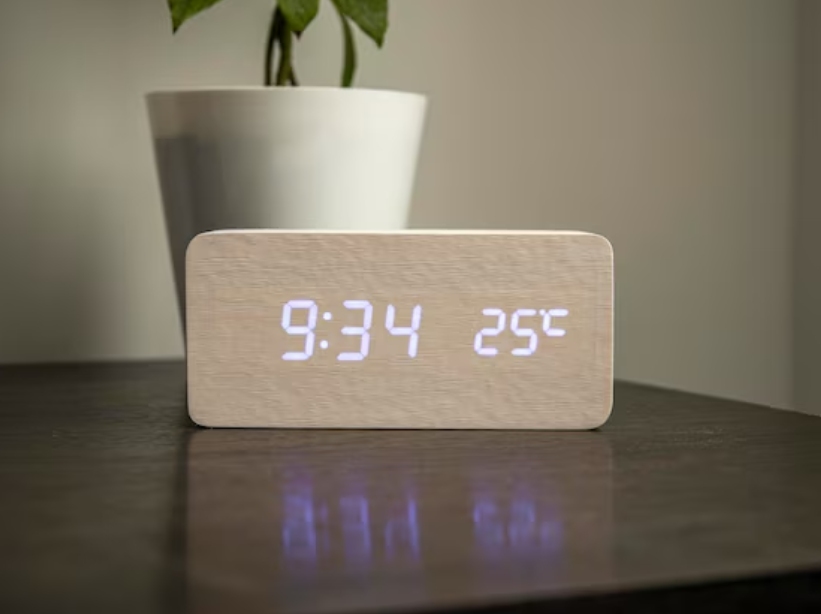
Application-Specific Selection: For a home microwave or oven, a regular brightness 7 Segment LED Display handles the job well.
-
Power Management: Picking LEDs with good light output at reduced currents eases the load on the driver IC and power supply. This opens the door to extra savings further along in the process.
Strategic Sizing and Form Factors
The size of the LED part shapes the PCB setup and housing build.
-
Standardization vs. Customization: Although LIGHTBO handles custom work well, sticking to common sizes (like the usual 0.56-inch or 0.39-inch heights) lets you use ready tools and bulk benefits.
-
Integrated Solutions: Opting for multi-digit units (such as a three-digit LED Display) over single digits cuts the number of parts for placement. This lowers assembly expenses.
Leveraging SMD Technology for High-Volume Efficiency
Moving from Through-Hole (DIP) to Surface Mount Technology (SMT) stands out as a key way to lower costs in today’s electronics production.
Reducing Assembly and Labor Costs
The hands-on work of soldering through-hole parts drives up expenses a lot.
-
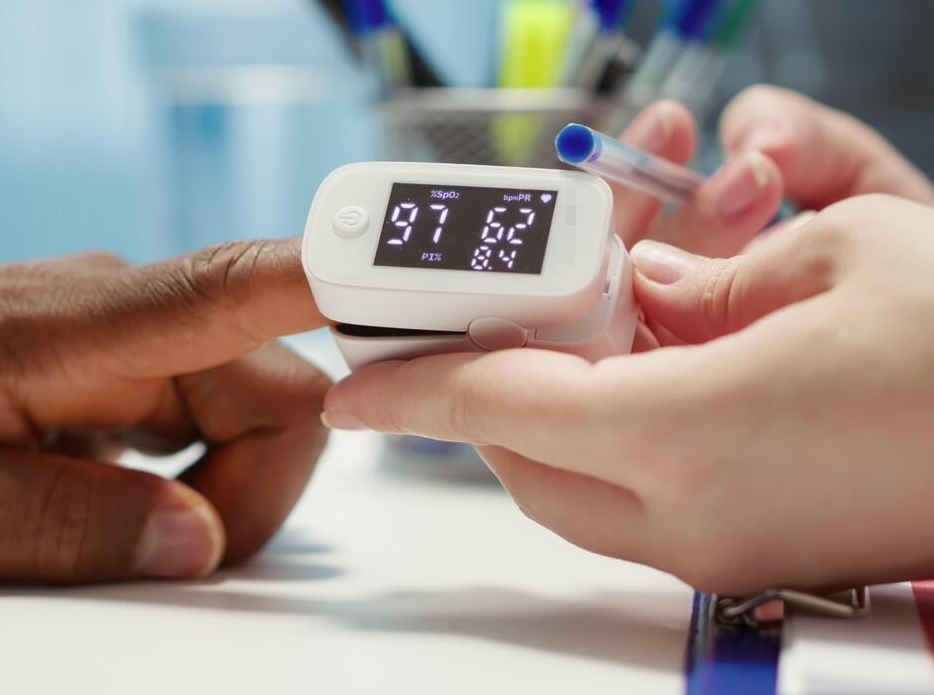
Automated Production: SMD LED Displays fit high-speed automated pick-and-place systems. They shorten production time and cut human mistakes, which matters for big orders in areas like e-cigarettes or smart-home devices.
-
Lower Profile Design: The slim build of LIGHTBO SMD displays (like those in e-cigarettes) enables smaller, simpler device casings. This reduces the need for plastic or metal in the outer shell.
Heat Dissipation and Longevity
Heat harms LED life. Good heat handling does not always call for pricey heat sinks; it calls for smart planning.
-
The LIGHTBO Advantage: Our SMD modules use fine ceramic or special plastic bases with strong heat flow. This keeps steady brightness in tight industrial tools, without extra cooling parts.
Optimizing Information Density with Alphanumeric and Dot Matrix Displays
When your setup needs more than numbers, deciding between segment displays and dot matrix screens can shift your budget in a big way.
Alphanumeric Displays: The Cost-Effective Alternative to LCDs
For many control systems in industry, a full graphical LCD or OLED brings unneeded extras that complicate software and hardware.
-
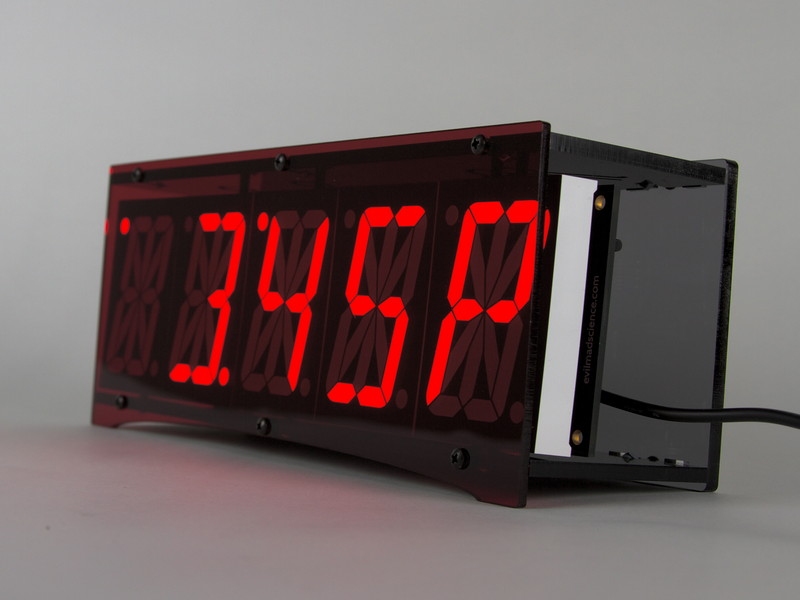
14 & 16 Segment Options: These displays handle the full alphabet and numbers. They cost far less than LCDs and provide clearer reading in bright surroundings, like at outdoor EV charging stations.
-
Simplified Interface: A LIGHTBO Alphanumeric LED Display eases microcontroller needs, since you skip complex graphics tools or drivers with many pins.

Dot Matrix for Flexible Visual Communication
If you want to show icons or simple scrolling text, a dot matrix display gives the right mix of options and price.
-
Scalability: Units like our 8×8 Dot Matrix LED Display can connect together. In elevator floor guides, this lets you show arrows, numbers, and status signs (such as “Maintenance”) with one basic, low-cost part.
-
Durability: Unlike LCDs with glass, LED dot matrices resist shaking well, which suits heavy machines and transport uses.
Smart Customization: Solving Specific Problems Without Premium Prices
The full cost of owning a product covers the fixes needed when a standard item does not fit right. LIGHTBO targets “functional customization”—altering just the key parts.
Tailored Wavelengths and Colors
-
The Problem: Basic red LEDs may not show through a certain colored plastic cover.
-
The Solution: Rather than changing the cover, we adjust the LED light wave or chip strength. This guarantees clear sight without altering your product’s outer look.
-
Application: Our Multicolor Customization 7 Segment Displays for UPS systems enable quick status checks (Red for fault, Green for normal, Blue for charging) via one built-in unit. This removes the need for extra light indicators.
Segment Layout and IC Integration
Building the driver IC right into the LED display unit is a smart DTC step.
-
Reduced Part Count: By offering an LED DISPLAY with IC, we remove the task of sourcing and adding separate shift registers or drivers to your main PCB.
-
Improved Reliability: Fewer connections between the driver and LEDs mean less risk of breakdowns in shaky settings like electric scooters or industrial scales.

Quality Control: The “Invisible” Cost Saver
Price is what you hand over; cost is what you suffer from product breakdowns. A vital DTC part involves making sure changes do not raise RMA (Return Merchandise Authorization) levels.
-
Reliability Testing: At LIGHTBO, we follow a tight process with aging checks and light sorting. By matching color and brightness across groups, we help clients avoid sorting parts or handling complaints about uneven displays.
-
Material Selection: Choosing RoHS-compliant materials and quality gold wire bonds in the LED chips prevents early failures from rust or heat pressure in your cost-tuned display.
Conclusion
Adjusting your LED display details means grasping what end-users really need. By stepping back from excess specs and adopting tools like SMD, alphanumeric segments, and built-in ICs, you can sharply drop production expenses.
LIGHTBO goes beyond manufacturing; we act as your ally in technical fine-tuning. With our background in custom, solid display solutions for home appliances, new energy, and industrial areas, we guide you to the point where cost and quality align.
Ready to adjust your next project?
Check our site for the complete LED display lineup or reach our engineering team for a tailored spec check. Let’s create success by planning for the proper cost.
[Contact LIGHTBO for a Free Design Audit]
FAQ
Q: How does switching from DIP to SMD LED displays affect my overall cost?
A: Though the part price stays close, SMD cuts assembly expenses via fast automation and supports tinier, less expensive PCB and housing builds.
Q: Can I achieve custom colors without a high Minimum Order Quantity (MOQ)?
A: Yes. At LIGHTBO, we focus on adaptable production that fits custom light waves and color mixes to your exact needs.
Q: Why choose an Alphanumeric LED over a small LCD screen?
A: Alphanumeric LEDs deliver better light output, broader viewing ranges, and stronger build in rough spots at much lower hardware and software costs.
Q: Does reducing brightness to save cost impact the lifespan of the LED?
A: In fact, it helps. Operating LEDs at a lower, suited current cuts heat buildup, the main cause of LED wear and color changes.


