
OEM vs ODM LED Display: How to Choose for Your Brand
Time : Jul 24, 2026 View : 733
Navigating the sourcing process for custom electronic components can be a critical turning point for your product timeline. As a leading LED display manufacturer, LIGHTBO is here to help you determine which development path best protects your margins and speeds up your time-to-market.
Choosing between an OEM LED display approach and an ODM LED display service comes down to how much design control you want to retain versus how much engineering assistance you need. Let’s break down these two models to find the ideal fit for your technical architecture and business goals.
Understanding the Core Differences
Before choosing a partnership model, it is vital to understand what each service entails for your production line.
The OEM Route: Manufacturing from Your Blueprints
When you select an OEM LED display service, you supply the exact engineering drawings, PCB layouts, and material specifications.
- Client Ownership: You retain total ownership of the intellectual property and visual design schemas.
- Manufacturing Execution: The LED display OEM partner focuses entirely on material sourcing, component assembly, and quality validation.
- Machinery Precision: This path relies on the factory’s advanced automatic machines and strict process control systems to reproduce your designs with tight tolerances.
The ODM Route: Co-Developing with Engineering Experts
Opting for an ODM LED display solution means you provide the functional goals, and the manufacturer handles the product development.
- Collaborative Design: LIGHTBO utilizes its internal design team and advanced machinery workshops to engineer the component from scratch.
- Turnkey Engineering: The LED display ODM model is perfect for businesses that know what the display needs to show but lack the in-house electronic engineering resources to build it.
- Cost Optimization: The technical team helps optimize structural layouts, which directly reduces production costs and enhances your market competitiveness.
Key Decision Factors for Your Business
Evaluating your internal resources and project scope will help you identify the right service model.
Evaluating In-House Technical Resources
Your choice between an OEM or ODM framework depends heavily on the engineering capabilities of your current staff.
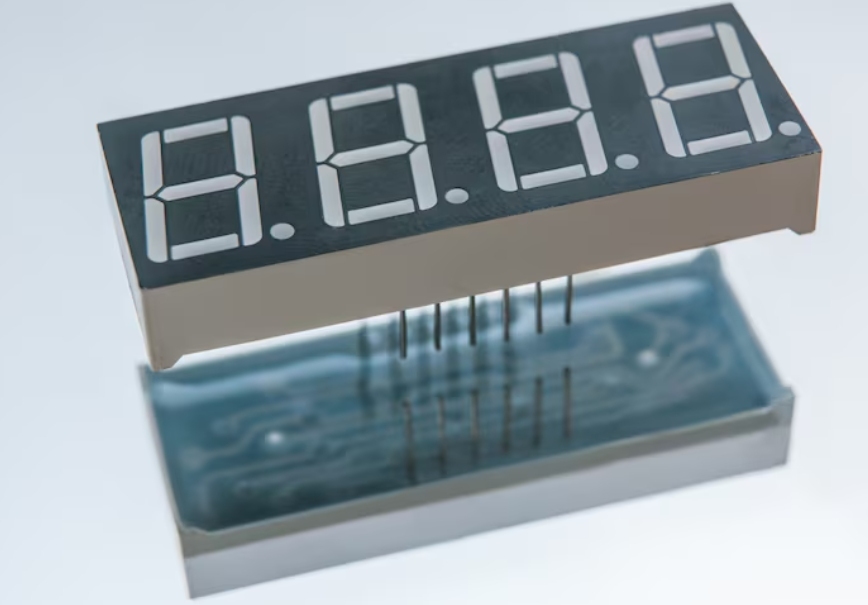
- Complete Schematics: If your team has already finalized the PCB trace designs and chosen the specific LED driver ICs, an OEM LED display setup keeps your project moving quickly.
- Concept-Only Stages: If you only have a rough concept or a list of required dimensions, an ODM LED display partner can step in to handle the heavy technical lifting.
Balancing Time-to-Market and Development Budgets
Launch timelines and budget constraints are critical factors when selecting your production framework.
- Fast-Track Prototyping: Utilizing an established LED display ODM catalog can cut out months of trial-and-error, bypassing long design cycles.
- Tooling Investments: Going the LED display OEM route requires more upfront investment in custom tooling, though it yields a completely unique product proprietary to your brand.
Tailored LED Solutions for Diverse Sector Needs
Seeing how these display components function in real-world environments clarifies the practical impact of your sourcing decision.
Home Appliance Displays
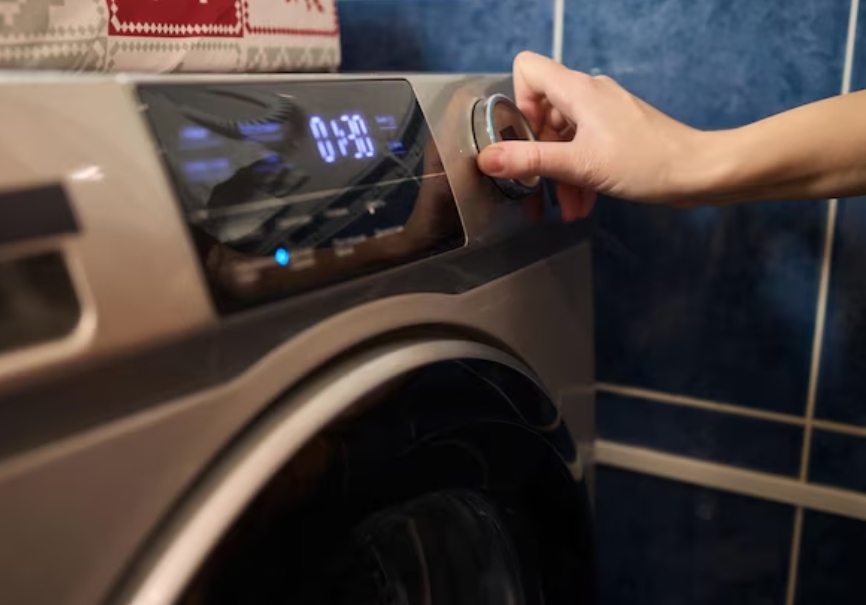
Modern kitchen and laundry appliances require crisp, reliable user interfaces that can withstand humidity and frequent use.
- The Component Challenge: Washing machines and smart ovens require customized control panels that blend seamless styling with clear numerical readouts.
- The LIGHTBO Solution: For these applications, we deploy multi-digit 7-segment LED displaysand alphanumeric configurations. In an OEM setup, we build the exact custom housing your appliance shell demands. For ODM clients, we design the moisture-resistant circuitry needed to keep the display running reliably in high-humidity environments.
Industrial Control Instrumentation and Power Fields
Heavy machinery, factory equipment, and power distribution systems need highly visible displays that remain clear in harsh industrial environments.
- The Component Challenge: Equipment operators rely on real-time data readouts that must stay readable under harsh overhead factory lighting or in fluctuating temperatures.
- The LIGHTBO Solution: We solve this with ruggedized 5×7 dot matrix LED displays, 5×8 dot matrix configurations, and high-visibility 16×16 dot matrix panels. Through an ODM LED display partnership, we can engineer custom high-contrast matrices that feature wider viewing angles and specialized protective potting. This ensures stable performance even when exposed to continuous industrial vibrations.
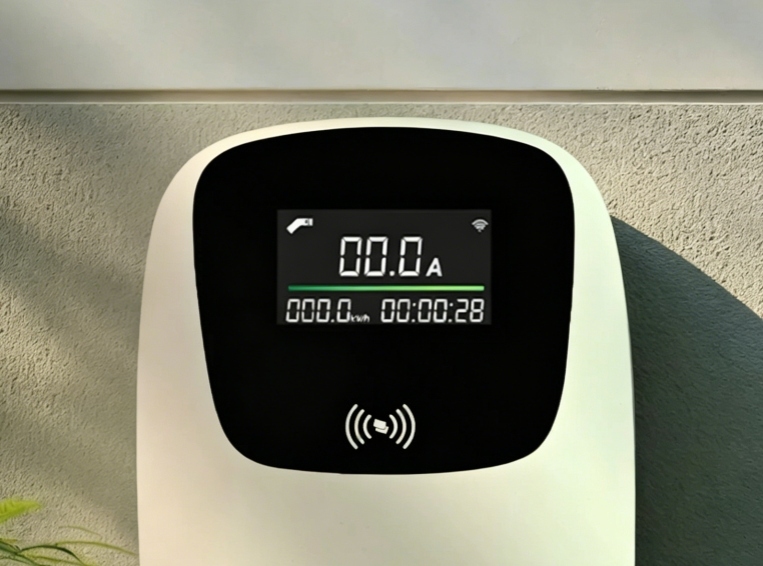
New Energy Systems and Electric Vehicle Charging Stations
The booming green energy sector demands outdoor-rated display components built to handle shifting environmental conditions.
- The Component Challenge: Solar inverters and outdoor EV charging stations require ultra-bright displays that are easy to read in direct sunlight and durable enough to handle extreme weather.
- The LIGHTBO Solution: As an experienced LED display manufacturer, we build custom LED light bars, outdoor arrow indicators, and robust surface-mount (SMD) digital readouts. By utilizing a specialized LED display OEM flow, we can integrate high-efficiency LED chips into your pre-designed, weatherproof enclosures, ensuring your outdoor systems remain readable and reliable for years.
The LIGHTBO Advantage: Quality and Control
Partnering with a verified manufacturer safeguards your supply chain against quality defects and communication breakdowns.
Certified Quality Management Systems
No matter which production path you select, component reliability remains our top priority.
- Rigorous Material Testing: Every single batch undergoes thorough checks, backed by our Trust Seal, Credit Check, and RoHS certifications.
- Professional Test Labs: Our dedicated laboratory subjects all components—from standard 14-segment displays to custom dot matrices—to strict environmental testing, ensuring long-term performance.
Flexible Engineering Capabilities
Our production facility is engineered to adapt directly to your custom manufacturing needs.
- Advanced Automation: Our workshops utilize automated machinery to ensure uniform soldering and precise diode placement across every production run.
- Scalable Customization: We can tailor everything from simple pin lengths to complex multi-layer PCB assemblies, ensuring your finished components fit smoothly into your final product housing.
Partner with LIGHTBO for Your Next LED Project
Ready to elevate your product line with high-performance digital displays? Whether you need a precise LED display OEM partner to build from your completed schematics or an experienced ODM LED display team to design a custom solution from the ground up, LIGHTBO delivers components engineered to perform. Let’s build your next display solution together.
Contact us today to receive a detailed technical consultation and request a custom quote:
- Email: lightbo2@lightbo.cn
- Phone/WhatsApp: +86 18320538436
FAQ
Q: What is the main difference between OEM and ODM when sourcing an LED display?
A: OEM manufacturing produces custom components built entirely from your own pre-engineered blueprints and technical layouts. In contrast, ODM services handle both the engineering design and the final production based on your general functional goals.
Q: Can an ODM LED display service help reduce our overall product development costs?
A: Yes. Choosing an ODM partner lets you share tooling and development expenses, while leveraging the manufacturer’s existing component architectures to avoid costly engineering mistakes.
Q: Which display service model is better if our product requires strict intellectual property protection?
A: The OEM model is generally better for strict IP control, as your company retains complete ownership of the schematics and designs, while the factory operates strictly as your contract manufacturer.
Q: How do outdoor environmental factors affect the choice of custom LED display components?
A: Outdoor applications require specialized design adjustments, such as higher nit brightness for sunlight readability and UV-resistant potting. An experienced manufacturer can integrate these protections through either an OEM blueprint or an ODM engineering layout.


