
Key Standards for Evaluating Reliable LED Display Manufacturers
Time : Aug 14, 2026 View : 501
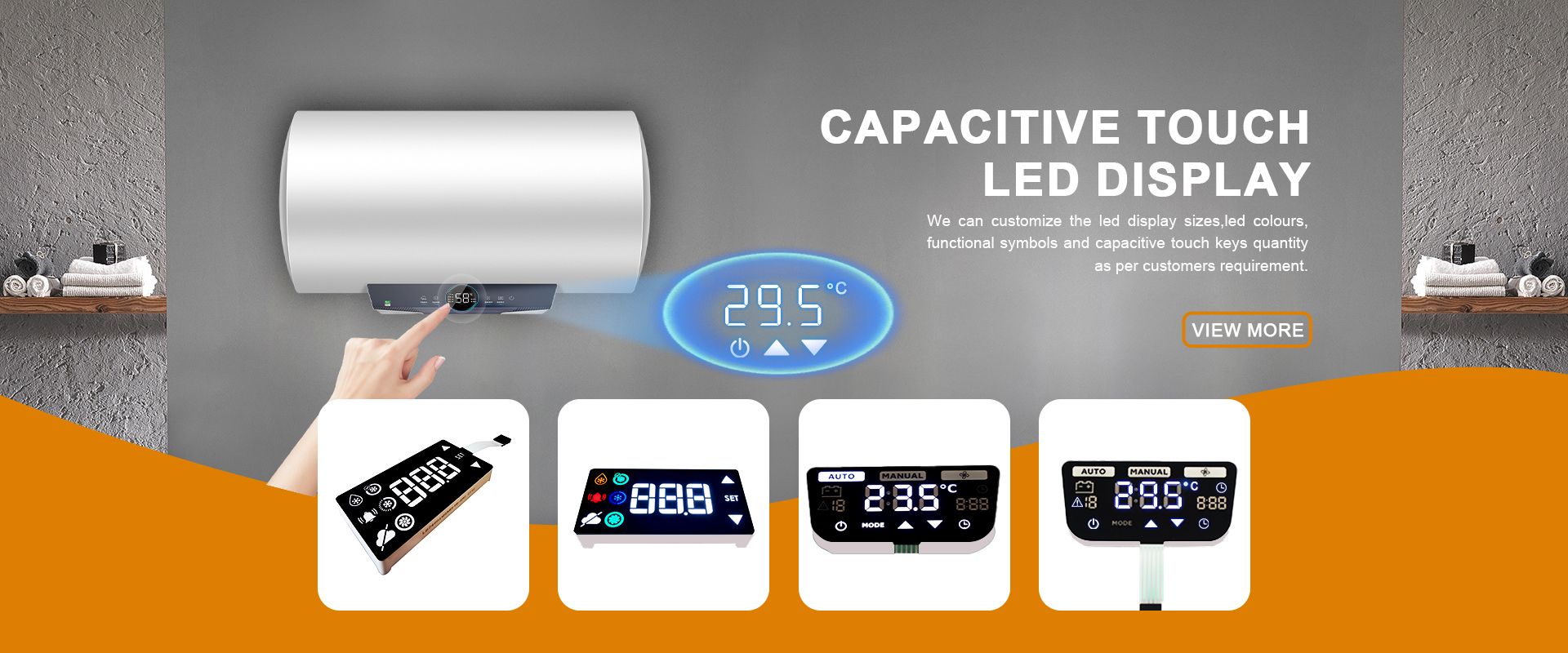
In high-demand industrial, commercial, and smart appliance environments, human-machine visual interfaces serve as vital channels for operational control, telemetry display, and real-time system monitoring. Selecting an optimal LED module supplier determines not only immediate optical clarity but also long-term equipment reliability under severe operating conditions. As an established LED display manufacturer and industrial LED display manufacturer, LIGHTBO provides custom LED display components engineered to meet exact industrial standards.
Key Technical Criteria for Evaluating LED Modules
Engineers and procurement teams evaluating a custom segment display supplier must systematically analyze key hardware parameters to ensure stable display output, optical uniformity, and structural resilience over extended operational lifecycles of any LED display module.
LED Chip Quality and Brightness Uniformity
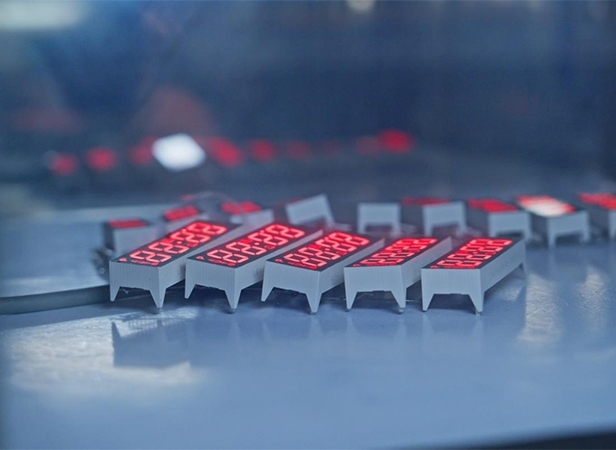
High-grade chip packaging and precision binning ensure consistent color rendition, high brightness uniformity, and balanced light diffusion across every individual segment and dot matrix array.
- Encapsulation Quality: Exceptional LED chip quality and die encapsulation prevent premature lumen depreciation and eliminate uneven brightness across multi-digit setups. Superior die quality minimizes chip-to-chip threshold voltage variance, ensuring uniform current distribution across parallel circuit branches.
- Optical Consistency: Balanced brightness uniformity ensures sharp contrast and clear readability under wide-ranging ambient lighting conditions, whether installed in bright outdoor energy terminals or low-light indoor control panels.
Driver IC Compatibility and Circuit Design
Efficient circuit architecture prevents signal distortion, reduces electromagnetic emissions, and minimizes overall system energy demands.
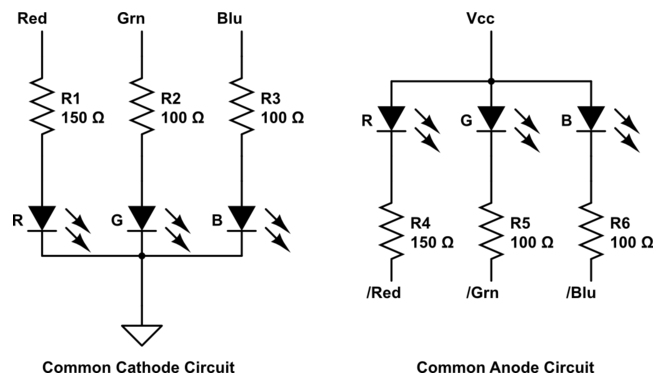
- Seamless Integration: Ensuring broad driver IC compatibility reduces microcontroller software overhead and streamlines communication between display modules and host microcontrollers. Multiplexed routing topologies support common-anode and common-cathode configurations without requiring board-level revisions.
- Signal Integrity: Optimized multilayer PCB trace layouts shield display elements from electromagnetic interference (EMI) and power line ripple in high-voltage industrial settings. Dedicated grounding planes prevent crosstalk and ghosting artifacts during high-frequency multiplex driving.
Structural Design and Environmental Durability
Custom applications demand display configurations built to endure continuous thermal stress, mechanical vibration, and moisture ingress.
Custom Segment and SMD LED Configurations
Display architectures must directly match mechanical front-panel layouts, bezel openings, and PCB enclosure constraints.
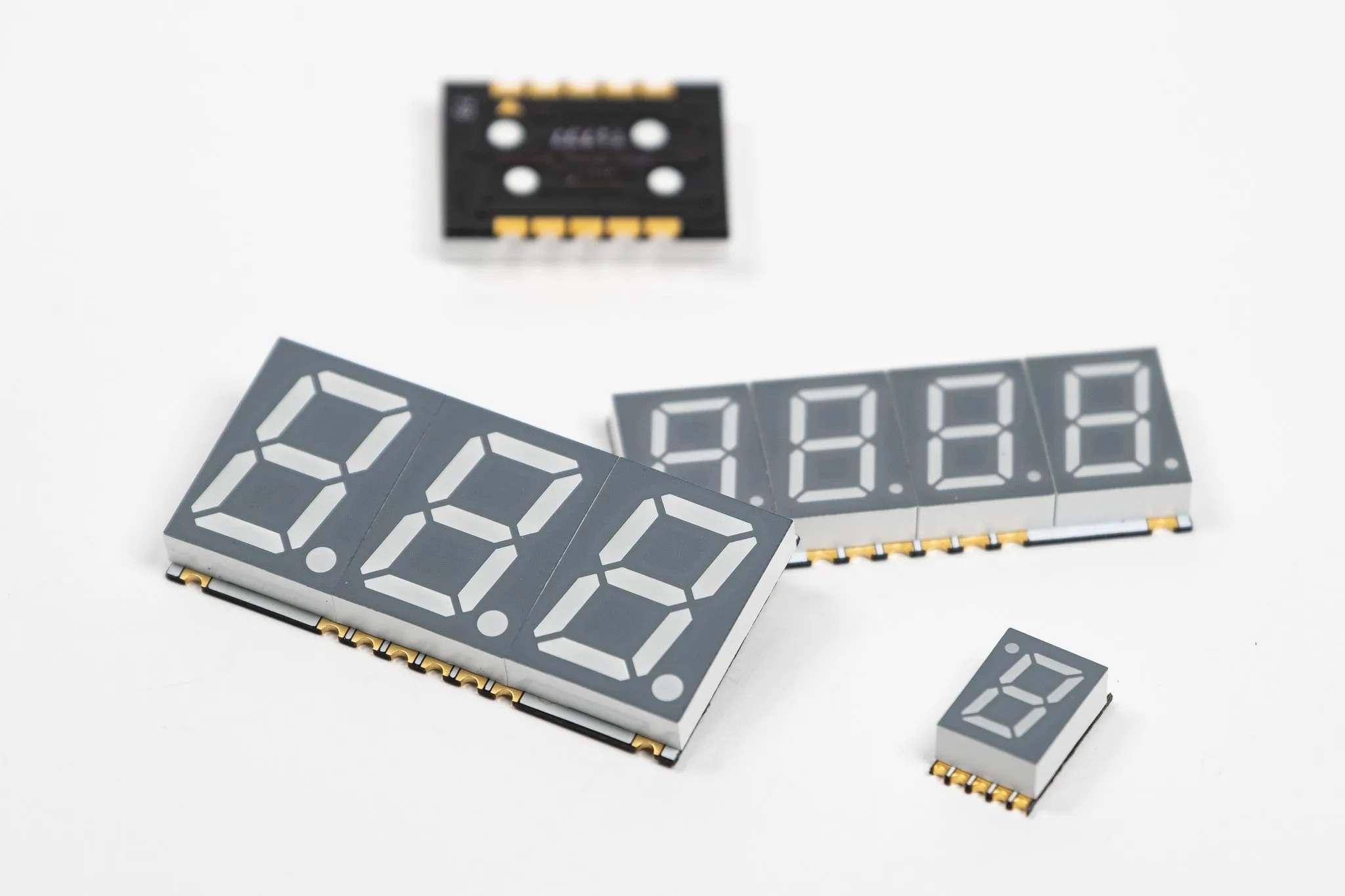
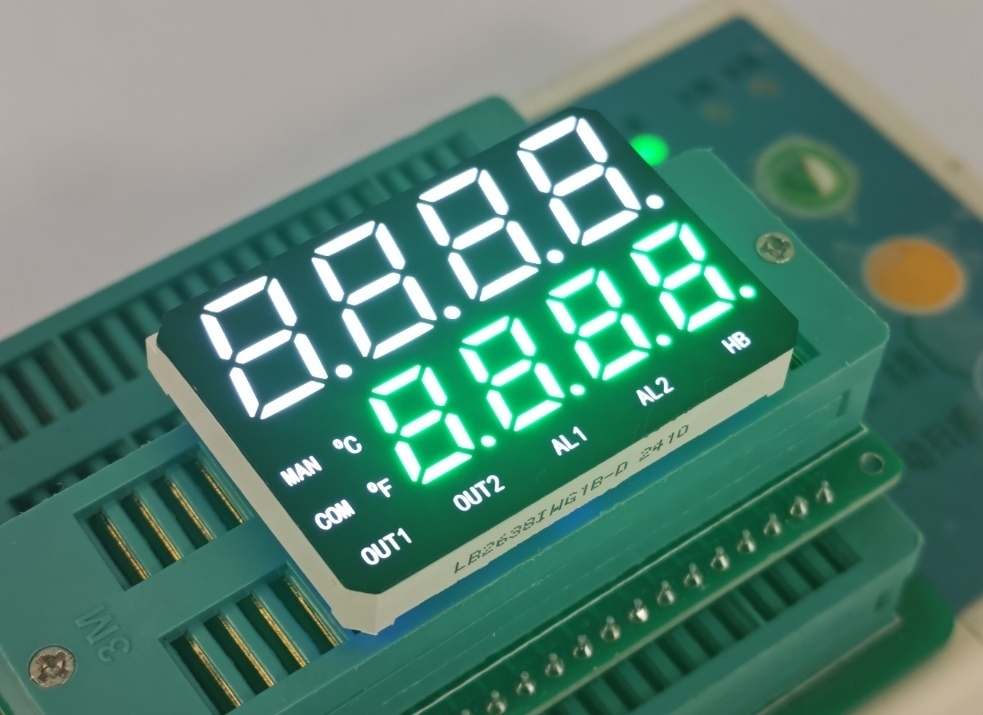
- Flexible Layouts: Tailored 7-segment LED display or surface-mount SMD LED display options allow customized digit heights, pin configurations, light bar shapes, and iconic indicator symbols for streamlined interface designs.
- Compact Footprints: Ultra-thin package designs save valuable board real estate in compact electronic control units (ECUs) without compromising visual output intensity or viewing angle clarity.
Thermal Management and Reliability Testing
Thermal degradation remains a primary cause of LED display module failure, color drift, and luminous decay in heavy-duty continuous applications.
- Heat Dissipation: Advanced thermal management techniques—including high-conductivity substrate materials and optimized thermal vias—divert heat away from sensitive semiconductor junctions, preventing thermal throttling and extending component operational lifespans.
- Validation Standards: Comprehensive reliability testing guarantees component stability under harsh end-use environments. Standard validation regimens encompass high-temperature operating life (HTOL), thermal shock cycling, humidity exposure testing, and mechanical vibration stress tests.
Manufacturing Standards and OEM Capabilities
A reliable OEM LED display supplier bridges the gap between initial custom prototypes and full-scale mass production through standardized quality control systems.
End-to-End Customization and Production Line Control
Consistent component output requires complete oversight across automated SMT assembly, resin encapsulation, and testing workflows.
- Tailored Engineering: Partnering with a specialized custom LED display manufacturer enables tailor-made pin assignments, custom backlight colors, customized cover lens anti-glare coatings, and application-specific surface finishes.
- Automated Assembly: Modern OEM facilities leverage high-precision automated placement machinery and automatic wire-bonding lines to ensure tight structural tolerances across volume production runs.
Quality Control Systems and Global Compliance
Rigorous inspection processes protect against batch defects and field performance degradation.
- Quality Inspections: Strict quality control protocols cover incoming raw material verification, inline automated optical inspection (AOI), high-voltage isolation checks, and multi-hour burn-in aging tests.
- Certifications: ISO quality management compliance and full RoHS environmental certification guarantee international quality compliance and hazardous substance restriction compliance.
Field Applications and Problem-Solving Solutions
Tailored display modules resolve distinct operational challenges across key industrial and consumer sectors.
Home Appliances and Consumer Products
Modern smart appliances demand user-friendly interfaces that maintain long-term visual clarity despite ambient heat and humidity.
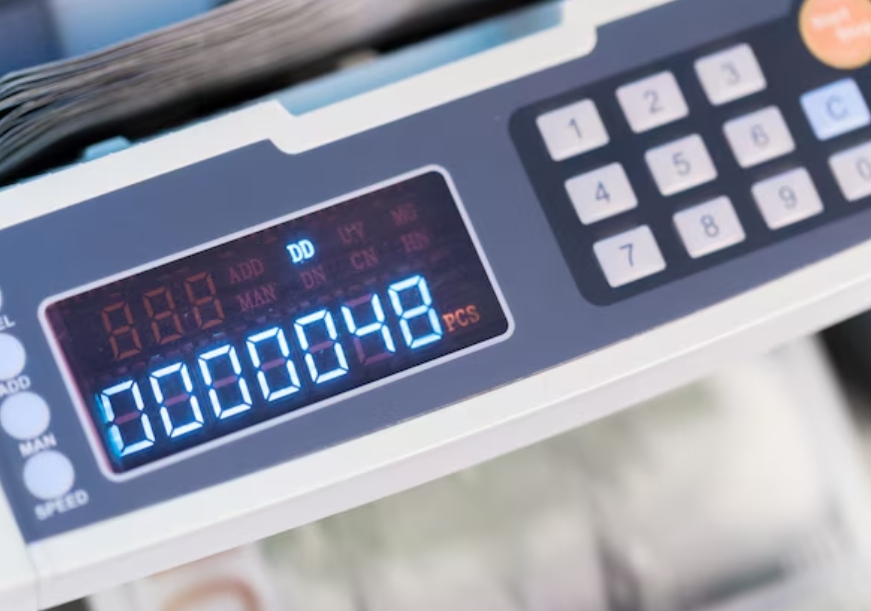
- Kitchen & Home Appliances: Custom 7-segment LED display modules resolve humidity and steam readability issues in smart ovens, refrigerators, washing machine touchpads, and temperature control panels.
- Compact Electronics: Low-power SMD LED display designs enable crisp readout functionality and multi-color indicator bars in space-constrained portable devices and personal care electronics.
Industrial Instrumentation and Energy Systems
Industrial control equipment requires uninterrupted readout legibility and rugged mechanical stability.
- Industrial Control: Ruggedized LED display module units deliver vibration-resistant visual readouts for digital power meters, industrial thermostats, HVAC controllers, and automated manufacturing panels.
- New Energy Equipment: Specialized high-contrast custom LED display solutions supply long-distance sunlight readability for outdoor EV charging stations, solar inverter monitoring units, and battery storage management systems.
Partnering with LIGHTBO for Custom Display Solutions
Selecting LIGHTBO as your preferred LED module supplier simplifies component procurement, reduces engineering turnaround times, and elevates end-product operational reliability.
Engineering Support and Custom Development
LIGHTBO supports clients from initial concept drafting to mass production integration as a trusted custom LED display manufacturer.
- Design Collaboration: Experienced internal engineering teams assist with custom optical pathway design, multiplexing scheme selection, circuit layout optimization, and mechanical housing fitting.
- Rapid Prototyping: Streamlined engineering prototyping workflows accelerate sample validation, allowing engineering teams to shorten product development cycles.
Dependable Manufacturing Quality
As a leading industrial LED display manufacturer, LIGHTBO maintains strict quality control standards to deliver consistent display components across every batch.
- Automated Infrastructure: Advanced automated production lines ensure high manufacturing yield consistency, tight optical tolerances, and short order lead times.
- Proven Reliability: In-house laboratory reliability testing confirms every LED display module meets rigorous electrical, optical, and mechanical performance benchmarks prior to final shipment.
Take Your Product Interface to the Next Level
Upgrade your equipment product lines with dependable display components built for long-term operational performance. Contact LIGHTBO today—your trusted OEM LED display supplier—to consult with our engineering team, request custom samples, or discuss your exact OEM display specifications.
FAQ
Q: What are the main causes of brightness degradation in 7-segment LED displays?
A: Brightness degradation is primarily caused by poor thermal management, excessive driving current, and inferior LED chip quality or encapsulation materials that degrade over time.
Q: How do custom LED display manufacturers handle driver IC compatibility for non-standard displays?
A: As a custom LED display manufacturer, suppliers design the PCB layout and multiplexing pin arrangement to ensure full driver IC compatibility, ensuring smooth signal processing and compatible refresh rates.
Q: Why is thermal management crucial for industrial LED display modules?
A: Industrial LED display module units often operate in enclosed or high-temperature environments. Effective thermal management prevents thermal throttling, reduces color shifting, and extends module operational lifespans.
Q: What customizable parameters can an OEM LED display supplier offer for new product designs?
A: As an OEM LED display supplier, key options include digit size, pin configuration, LED die color, surface resin color, segment shape, backlight intensity, and custom housing dimensions.


