
How to Reduce Power Consumption in 7 Segment LED Display
Time : Jul 31, 2026 View : 648
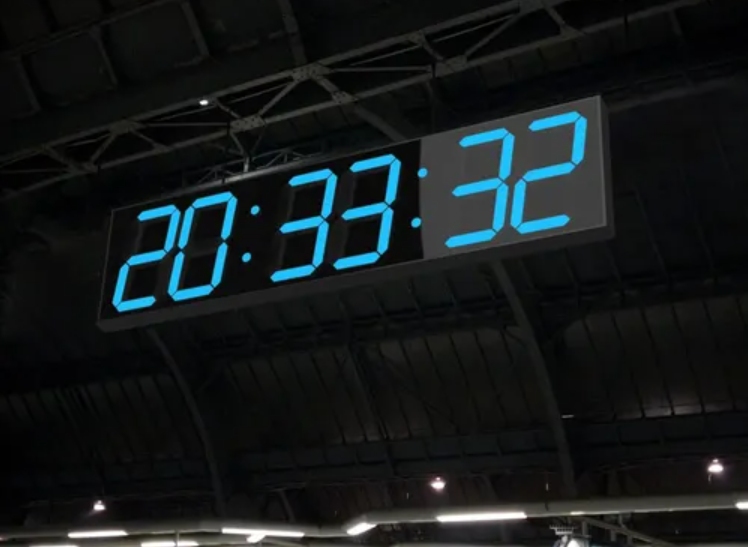
In battery-powered devices, industrial instruments, and smart appliances, keeping numbers easy to read while saving energy poses a real challenge. 7-segment LED displays still offer the best contrast for numeric readouts. Yet driving circuits that lack proper design often waste power, create extra heat, and drain batteries faster. As a leading 7-segment LED display manufacturer, LIGHTBO provides efficient display components. These help engineers extend battery life and reduce heat by adjusting LED brightness, all without losing readability.
The Challenge of Balancing LED Power Consumption and Display Legibility
Engineers designing displays for battery-operated meters, household appliances, and industrial controllers must handle 7-segment LED display power consumption with care. Cutting drive current lowers power draw right away. Still, older methods often leave the digits dim and hard to read in strong ambient light.
Why High Power Draw Limits Modern Hardware Applications
Power consumption without controls in display modules leads to several limits in commercial and industrial products:
- Shortened Battery Lifespan: Running high current non-stop drains portable battery packs too early.
- Thermal Stress and Heat Dissipation: High current builds up heat inside, which speeds up LED wear and shortens display life.
- Power Supply Sizing Constraints: The need for higher current means bigger power parts, which raises costs and takes more space on the board.
Proven Technical Strategies for LED Brightness Optimization and Power Reduction
Optimizing 7-segment LED display power consumption requires a combination of smart drive techniques, driver electronics, and material selection.
Implementing Pulse-Width Modulation (PWM) Dimming for Dynamic Brightness
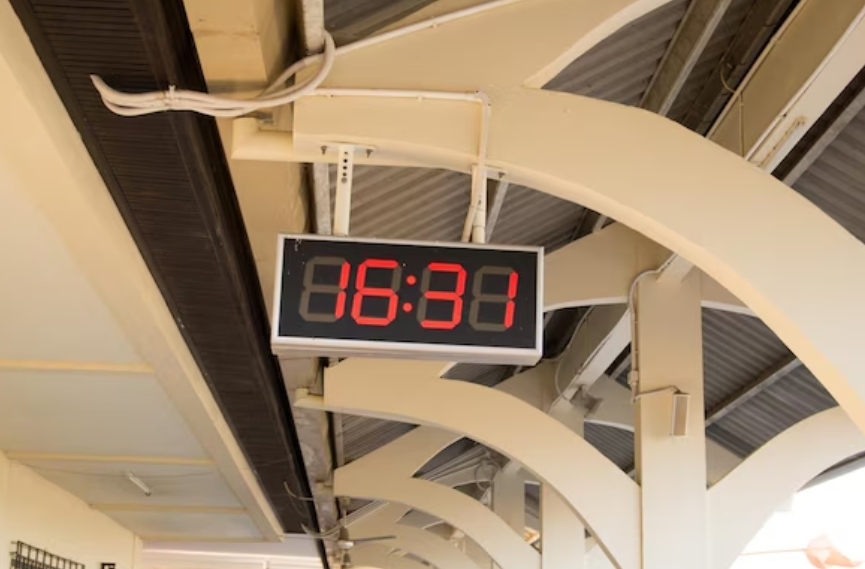
PWM dimming cycles the display on and off at frequencies above 100 Hz, taking advantage of the human eye’s persistence of vision to achieve efficient LED brightness optimization.
- Duty Cycle Tuning: Pulsing the display at higher peak currents for short durations maintains full perceived luminance while reducing overall power consumption by up to 40%.
- Ambient Light Adaptation: Integrating ambient light sensors with PWM dimming controllers automatically dims the display in darker environments, saving energy dynamically.
Leveraging Multiplexed LED Display Architectures
A multiplexed LED display architecture reduces the number of active segments driven simultaneously by rapidly strobing digits sequentially.
- Pin Count Reduction: Multiplexed LED display configurations significantly reduce microcontroller pin requirements and driver channel count.
- Peak Current Efficiency: Driving one digit at a time lowers continuous current draw while maintaining crisp numerical clarity across multi-digit panels.
Integrating Constant Current LED Driver ICs
Replacing passive current-limiting resistors with a dedicated constant current LED driver minimizes wasted power across driver circuitry.
- Elimination of Resistor Power Loss: A constant current LED driver eliminates power dissipation as waste heat in current-limiting resistors.
- Uniform Brightness Across Digits: Direct current regulation eliminates brightness variations caused by battery voltage drops or forward voltage tolerances.
High-Efficiency Hardware and Custom Solutions from LIGHTBO
As a leading LED display module supplier, LIGHTBO integrates high-efficiency semiconductor dies and optimized package structures to deliver superior brightness at lower driving currents.

Advanced LED Materials and High-Luminous-Efficiency Dies
The baseline efficiency of an energy-efficient LED display starts with advanced semiconductor chemistry.
- High-Lumens-per-Watt Semiconductors: LIGHTBO utilizes premium InGaN and AlInGaP die materials that yield intense luminous flux even at low drive currents (2–5 mA per segment) for every energy-efficient LED display.
- Enhanced Optical Reflection: Reflected housing channels maximize front-facing light output, preventing internal light loss.
Specialized Form Factors and Tailored Display Modules
Whether your design calls for standard through-hole units or compact surface-mount devices, LIGHTBO provides flexible product architectures as an industrial LED display manufacturer.
- Ultra Bright White 2 Digit 0.56-inch 7-Segment SMD LED Display: Designed for compact surface-mount assembly, delivering crisp contrast with minimal power consumption.
- Single to Six Digit 7-Segment LED Displays: Available in standard sizes with common anode or common cathode wiring to fit diverse driver ICs.
- OEM LED Display & ODM Services: Custom pinouts, specialized segment geometries, and integrated driver boards engineered by LIGHTBO’s internal design team for custom LED display solutions.
Where Power Optimization Makes the Difference
Implementing a low-power LED display solves specific hardware engineering issues across various industries.
Smart Home Appliances and Consumer Electronics
Modern appliances require clear status indicators while adhering to strict standby power regulations, making the low power LED display essential.
- Customized White/Pure Green/Blue 7-Segment LED Display 3-Digit 12.7mm For Refrigerator: Offers clear temperature readouts through dark tinted acrylic panels while maintaining low power consumption.
- Ultra Bright White Custom 7-Segment LED Display For Oven: High-temperature resistant display components engineered to deliver high contrast under intense kitchen lighting without drawing excessive power.
Industrial Instrumentation and New Energy Systems
Off-grid, solar-powered, and industrial control systems demand reliable readability under tough operating environments.
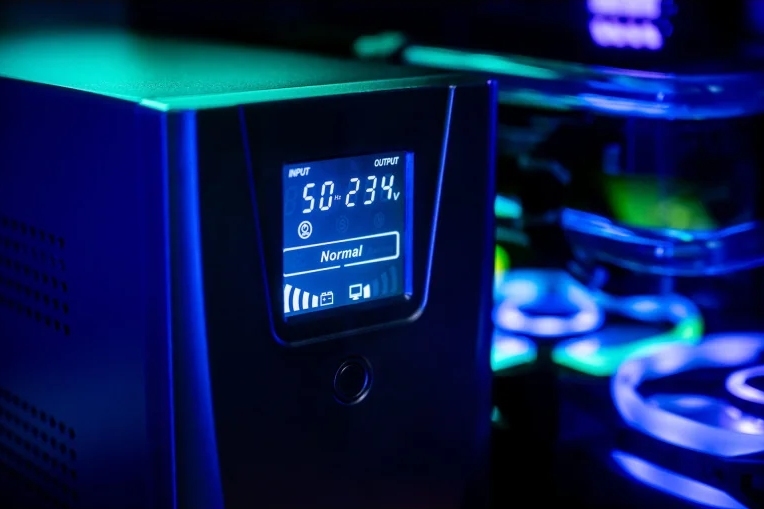
- Multicolor Customization 7-Segment LED Display For UPS: Provides instant battery status and voltage metrics in power backup systems where display draw directly impacts emergency backup runtime.
- Industrial & Power Instrumentation: Displays engineered for digital panel meters, smart grid monitors, and flow meters operating on strict current loops.
Partnering with LIGHTBO for Custom Energy-Efficient LED Display Solutions
Choosing the right industrial LED display manufacturer ensures your hardware achieves the optimal balance between legibility, reliability, and low power consumption. LIGHTBO offers full-service support—from optical design and prototype development to automated mass production backed by rigorous quality control testing.
Whether you need an off-the-shelf SMD LED display, an OEM LED display, or custom LED display solutions, LIGHTBO brings technical expertise and flexible manufacturing to meet your project specs as your trusted LED display module supplier.
Ready to optimize your product’s 7-segment LED display power consumption? Contact LIGHTBO today at lightbo2@lightbo.cn or visit our website to request customized samples, detailed datasheets, and custom LED display solutions engineering support.
FAQ
Q: Can PWM dimming cause visible display flicker in 7-segment LED displays?
A: No, provided the PWM dimming refresh frequency is kept above 100 Hz (typically 200 Hz to 1 kHz). At these rates, the human eye perceives continuous illumination while benefiting from lower average power draw.
Q: How does a multiplexed LED display impact the peak brightness of multi-digit displays?
A: A multiplexed LED display reduces duty cycle per digit, which can lower average brightness if driven at standard current. To compensate, pulse the segment current higher during its active window, achieving effective LED brightness optimization without increasing total average power.
Q: Why choose a constant current LED driver over current-limiting resistors?
A: A constant current LED driver eliminates resistive power loss, prevents brightness variations caused by supply voltage drops, and protects LEDs from overcurrent degradation, making it essential for any high-efficiency low power LED display design.
Q: What OEM customization options does LIGHTBO support as a 7-segment LED display manufacturer?
A: LIGHTBO provides custom segment layouts, specialized pin configurations, tailored reflector colors, high-efficiency die selection for energy-efficient LED display models, and custom LED display solutions tailored to your precise hardware requirements.


