横幅

Industrial LED Displays: Tested to Survive Harsh Environments

Time : May 29, 2026 浏览次数:123

目录

    Industrial LED Displays with Thermal Shock & High Humidity for Harsh Environments

    The Brutal Reality of Industrial Environments

    Industrial electronics often sit far from the steady temperatures of modern offices. On a remote oil field, an instrumentation display might face a sudden 40°C drop in just a few hours when night falls. In heavy-duty commercial kitchens or chemical plants, display parts deal with blasts of hot steam and corrosive moisture all the time. Hardware engineers and system integrators know that display failure means more than simple inconvenience. It leads to costly downtime, safety risks, and rising warranty claims. Component specifications therefore, need to go beyond basic data sheets and include thorough checks for environmental stress.

    LIGHTBO公司 stands out as a professional component manufacturer. The company focuses on industrial-grade display solutions built to handle tough conditions like these. Through careful material selection and solid manufacturing methods, LIGHTBO helps keep critical status data visible and accurate even when things get harsh.

    Thermal Shock Testing: Defeating Rapid Temperature Swings

    Thermal shock testing evaluates an LED显示屏’s structural integrity under immediate, extreme temperature fluctuations. The test forces components to transition between extreme sub-zero cold and intense heat within seconds to replicate decades of field wear.

    The Physics of Thermal Stress in LED Components

    When an LED display undergoes rapid temperature shifts, every internal material expands and contracts at a different rate:

    • Coefficient of Thermal Expansion (CTE) Mismatch: The internal semiconductor chip, the copper lead frame, the gold bonding wires, and the surrounding encapsulating resin all possess distinct thermal expansion characteristics.
    • Mechanical Fracture Risk: Rapid transitions cause intense shear stresses at the material interfaces. Weak components experience micro-cracking in the epoxy, sheared bonding wires, or complete delamination of the chip from its base, leading to sudden open circuits and display blackouts.

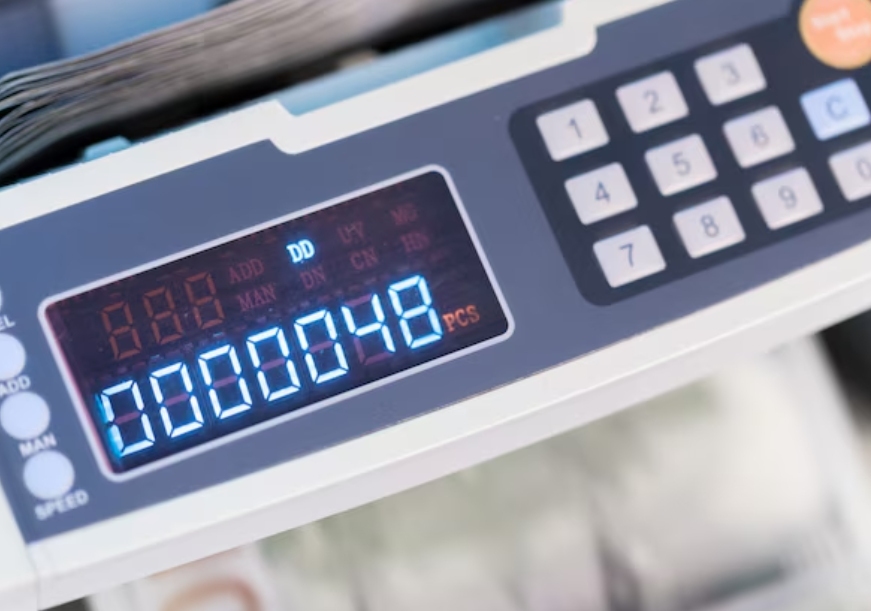
    LIGHTBO LED displays endure extreme thermal shock testing without damage

    How LIGHTBO Designs for Perfect Expansion Compatibility

    To survive these destructive forces, LIGHTBO subjects its comprehensive product range—including Alphanumeric LED Displays, 7段LED显示屏, and Multicolor 10-Segment LED Light Bars—to uncompromising thermal shock testing protocols:

    • The Air-to-Air Thermal Shock Profile: Components are subjected to hundreds of rapid cycles shifting seamlessly from -40°C to +105°C with a transfer time of less than 10 seconds.
    • Optimized Lead Frame Anchoring: LIGHTBO utilizes high-grade, rigid copper lead frames coupled with stress-absorbing internal geometries that prevent the structural shifts that snap gold wire bonds.
    • Matched-CTE Epoxy Formulations: By integrating specialized fillers into the optical-grade encapsulating resin, LIGHTBO matches the expansion rates of internal components, completely neutralizing interface stress and preventing micro-fractures.

    High Humidity & Damp Heat: Blocking Moisture Infiltration

    Moisture is the ultimate silent killer of industrial electronics. High humidity testing proves a display’s ability to resist water vapor penetration over long operational lifespans.

    The Destructive Nature of Water Vapor Corrosion

    In humid tropical regions or high-moisture production lines, atmospheric water molecules slowly diffuse through standard plastic housings and resin packaging:

    • Electrochemical Migration: Trapped moisture reacts with the internal circuitry and trace metals under electrical bias, accelerating galvanic corrosion across the display segments.
    • Parasitic Leakage Currents: Moisture accumulation creates unintended conductive paths, leading to ghosting effects, dimmed segments, erratic display behavior, and eventual catastrophic short-circuiting of the matrix.

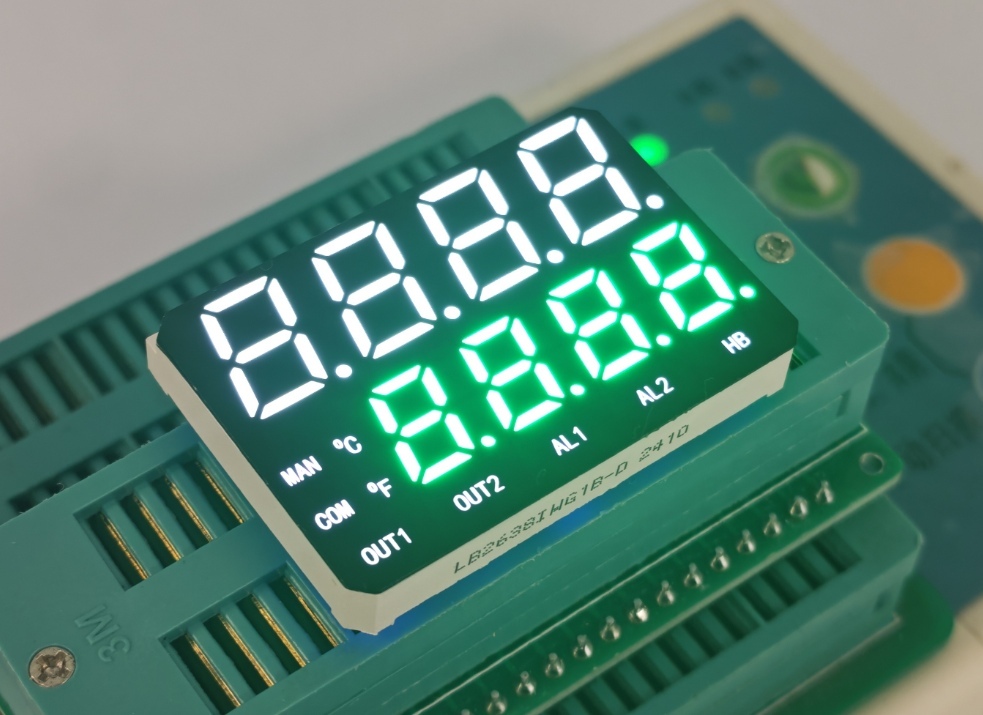
    LIGHTBO LED displays resist high humidity with advanced moisture barriers

    Advanced Epoxies and SMD Substrates by LIGHTBO

    LIGHTBO solves moisture degradation at the molecular level through advanced surface-mount and through-hole packaging engineering:

    • 85/85 Relative Humidity Testing: LIGHTBO display components undergo continuous operation testing at 85°C and 85% relative humidity for a grueling 1,000 hours, ensuring zero degradation in luminous intensity or structural insulation.
    • Hydrophobic Material Barriers: The specialized epoxy resins used across LIGHTBO Custom LED Displays and matrix modules exhibit ultra-low moisture absorption rates, creating an impermeable barrier against humid air.
    • High-Reliability SMD Engineering: For tight space limitations, the LIGHTBO Ultra Bright White 7 Segment SMD LED Display line features high-density ceramic and advanced polymer substrates that completely eliminate the vertical capillary paths found in lower-quality alternative displays, preventing water creep.

    Where Reliability Meets Action

    Industrial-grade validation tests translate directly into field performance across critical application sectors.

    Heavy Industrial Control Panels and Commercial Appliances

    Commercial ovens, commercial refrigeration units, and factory power distribution blocks generate intense local heat and moisture:

    • The Challenge: Sustained heat from industrial baking or extreme cold-to-hot cycling in commercial walk-in freezers causes standard display packages to warp and short-circuit.
    • The LIGHTBO Solution: The LIGHTBO High-Performance 7 Segment LED Display lines are tailored exactly for these appliances. By preventing delamination during intense heat cycles, they ensure heavy-duty pizza ovens and factory automation panels show accurate timing and temperature data without failing during continuous multi-shift production runs.

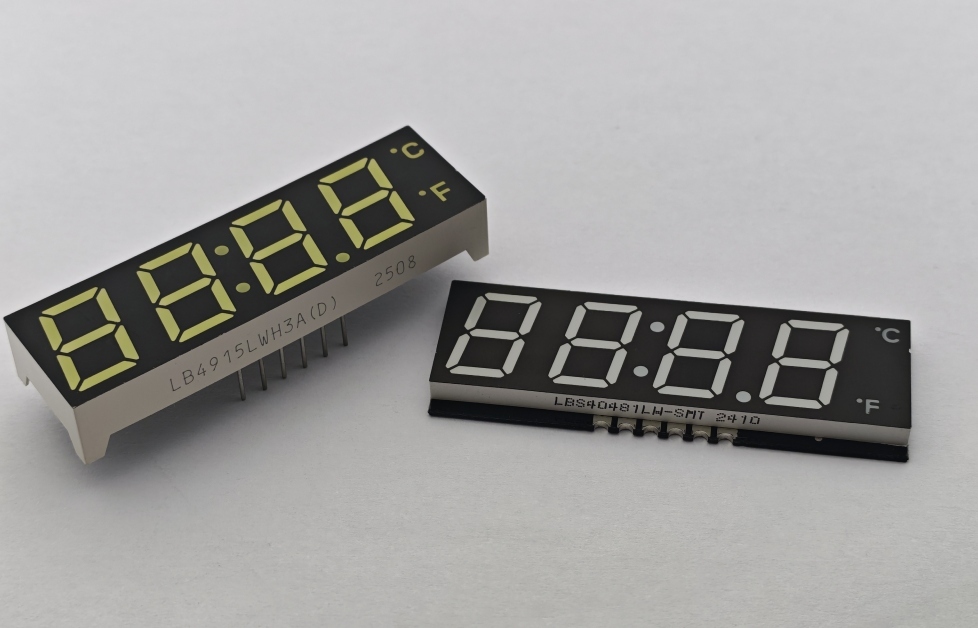
    LIGHTBO 7-segment displays ensure reliable industrial performance under intense heat

    New Energy Infrastructure and Outdoor Charging Stations

    EV charging piles and outdoor solar inverters are exposed to direct sunlight, heavy rain, and freezing winters:

    • The Challenge: Standard displays dim prematurely or crack due to thermal cycling, leaving users unable to read charging status or vital safety prompts.
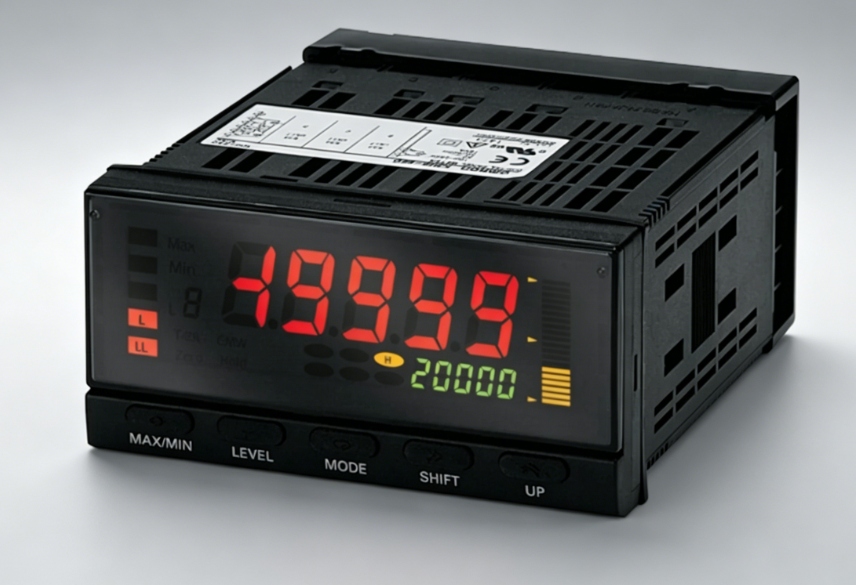
    • The LIGHTBO Solution: Utilizing a LIGHTBO Multicolor 10-Segment LED Light Bar or a custom multi-digit display provides crystal-clear, daylight-readable telemetry. The ruggedized construction handles direct UV radiation and freezing downpours without undergoing segment degradation or moisture clouding.

    结论

    When choosing an LED display supplier for industrial systems, opt for validated durability over generic product specifications. LIGHTBO delivers an engineered balance of optical clarity, customization flexibility, and certified environmental endurance. From automated component pick-and-place lines to extreme outdoor operations, LIGHTBO guarantees that your displays keep performing when the environment gets tough.

    Elevate Your Display Reliability Today

    Ready to eliminate display failures from your product line? Contact the technical engineering team at LIGHTBO to request detailed reliability test reports, secure physical qualification samples, or discuss a fully tailored, custom LED display solution for your upcoming hardware deployment.

    • Email: lightbo2@lightbo.cn
    • Phone : +86 18320538436

    常见问题解答

    Q: Why do standard commercial-grade 7-segment displays fail prematurely in industrial environments?

    A: Commercial displays lack CTE-matched epoxies and high-density moisture barriers. Rapid temperature spikes cause internal bonding wires to snap, while high humidity leads to pin corrosion and parasitic short circuits.

    Q: What is the significance of the 85/85 damp heat test for industrial LED components?

    A: Operating at 85°C and 85% relative humidity accelerates moisture penetration. Passing this 1,000-hour test proves that a display’s encapsulation and substrate materials will successfully prevent field corrosion for many years.

    Q: How does surface-mount (SMD) LED display reliability compare to traditional through-hole (DIP) displays under thermal stress?

    A: SMD displays feature shorter thermal paths and smaller masses, reducing mechanical leverage during expansion. When paired with high-temperature polymer substrates, SMDs resist thermal shock cracking more effectively than large DIP packages.

    Q: Can customized LED displays maintain their sealing integrity during thermal shock as well as standard catalog models?

    A: Yes, provided the manufacturer utilizes identical high-grade industrial resins and lead-frame anchoring geometries. Industrial customization incorporates stress-distribution modeling to ensure custom shapes maintain an airtight, reliable seal.

       
    WhatsApp
    电子邮件
    联系人