
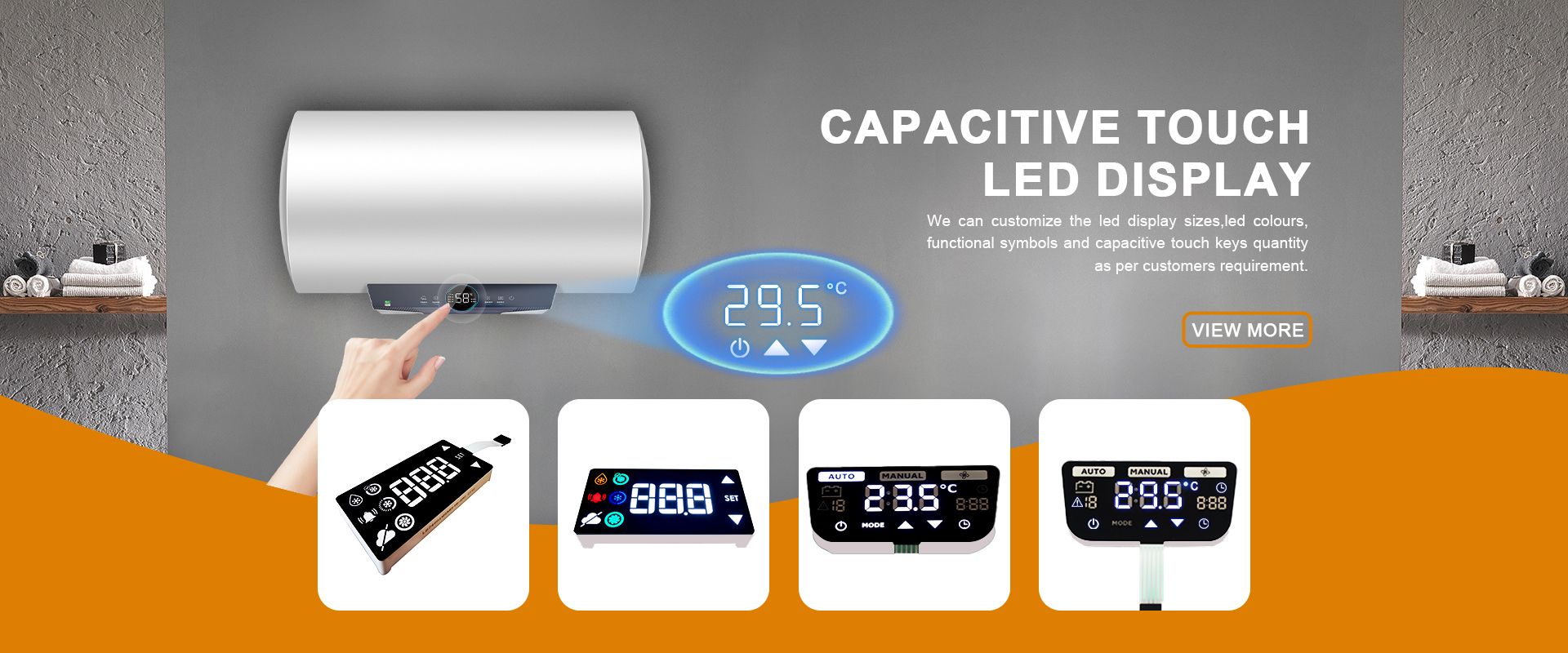
Partner with Custom LED Display Manufacturer for New Product
Time : Aug 27, 2026 Visualizzazione : 48
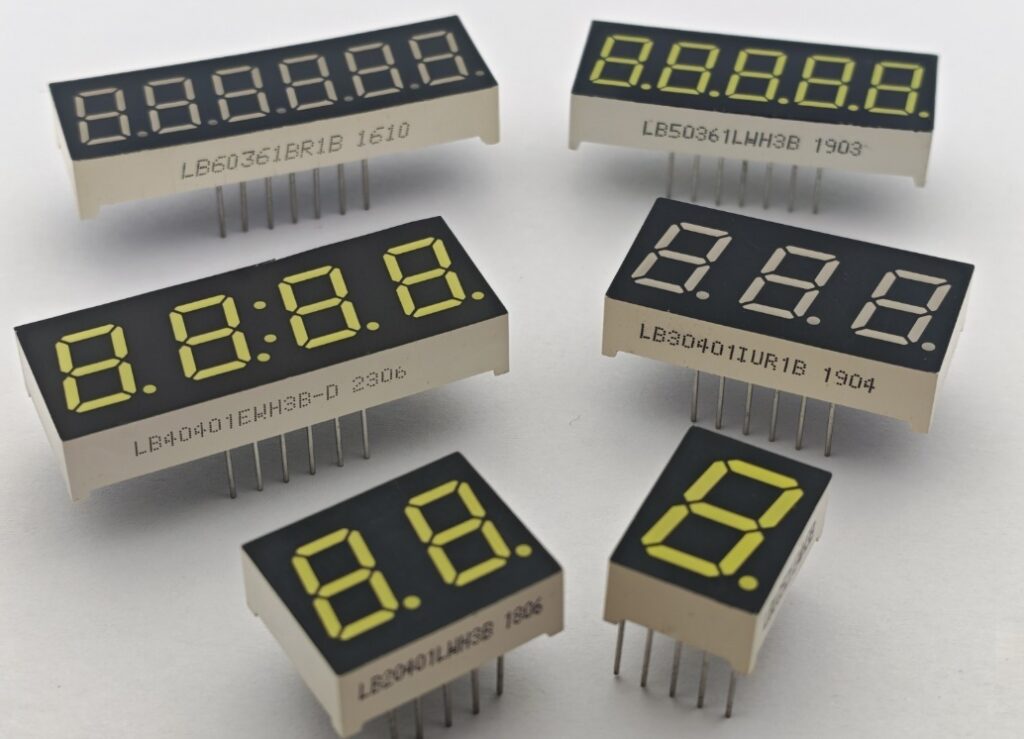
Taking an electronic device from the first idea to market launch calls for careful hardware work and steady talks with part suppliers. The screen serves as the main link to users. It needs close engineering checks through every stage of design, testing, and build. Getting in touch early with a custom LED display manufacturer helps avoid extra design rounds and speeds up the path to market.
LIGHTBO公司 is a known LED display manufacturer and reliable OEM LED display supplier. The company offers know-how along with modern production lines and full custom support. This covers the full LED display product development from early ideas right through to large-scale output.
Phase 1: Defining Precise Design and Technical Requirements
Establishing explicit electrical, optical, and physical parameters during the preliminary phase guarantees that your customized display aligns perfectly with overall system architecture. Defining clear LED display design requirements early sets a solid foundation for successful custom display development.
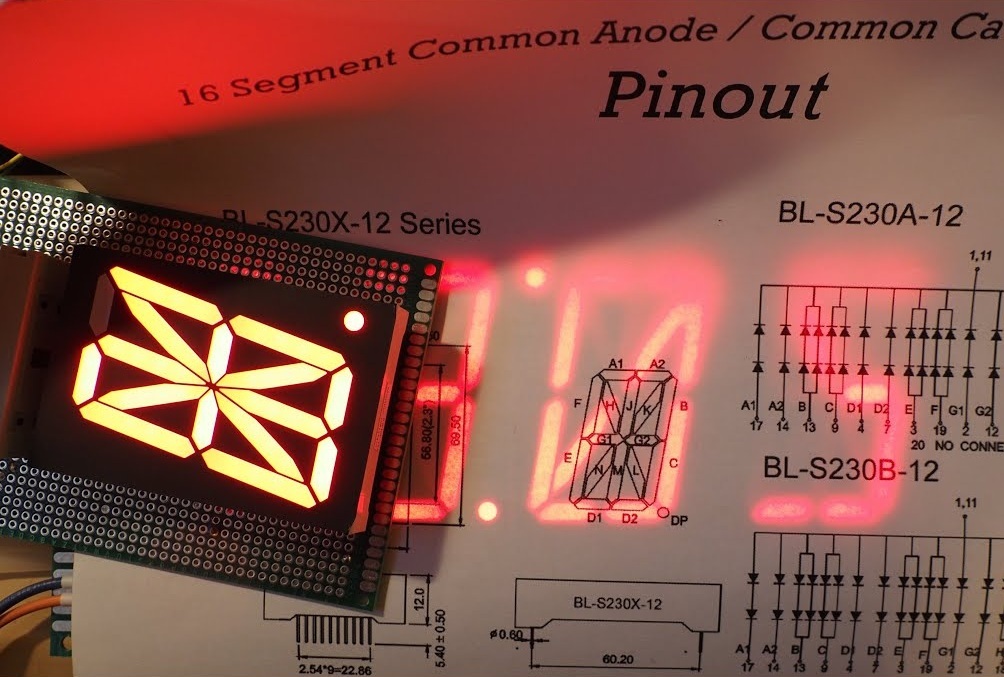
Custom Pin Configuration and Structural Layout
Proper pin layout and footprint planning eliminate routing bottlenecks on your main circuit board.
- Custom Pin Configuration: Aligning custom pinouts directly with your driver IC layout minimizes PCB trace complexity and optimizes board space.
- Dimensional Constraints: Tailoring glass, bezel, and segment dimensions guarantees a seamless mechanical fit inside compact enclosures.
- Form Factor Options: Customizing multi-digit 7-segment configurations or dot matrix layouts ensures optimal spatial utilization.
Optical Performance and LED Color Consistency
Maintaining uniform brightness and exact color coordinates elevates the premium visual feel of your end product.
- Wavelength Binning: Tight LED chip sorting guarantees superior LED color consistency, eliminating color shifting across multi-segment or multi-digit displays.
- Luminance Matching: Precise intensity grouping ensures uniform segment brightness under varying power levels.
- Custom Backlighting: Uniform backlight structures optimize readability for overlays, icons, and capacitive touch interfaces.
Phase 2: Prototyping and Engineering Validation
Validating physical samples under simulated operating conditions ensures structural durability before committing to high-volume tooling.
Rapid Prototyping and Sample Iteration
Creating a functional display LED personalizzato prototype allows engineering teams to verify real-world optical contrast, mechanical fit, and viewing angles before mass production.
- Functional Verification: Testing early-stage LED display sample units under real operating conditions confirms driver compatibility and optical performance.
- Enclosure Fit Checks: Ensuring precise mechanical clearance inside front-panel bezels prevents stress on solder joints.
- Iterative Adjustments: Evaluating an initial custom LED display prototype enables minor optical or structural tweaks before finalizing production tooling.
Rigorous LED Display Reliability Testing for Harsh Environments
Exposing prototypes to environmental stress through comprehensive LED display reliability testing prevents field failures in challenging operational settings.
- Thermal Shock Resistance: Subjecting displays to extreme temperature cycles ensures bonding wire and resin integrity.
- Humidity and Corrosion Resistance: Testing under high moisture conditions protects internal electrical connections.
- Vibration and Impact Testing: Stress-testing pins and housings guarantees structural durability in mobile or industrial applications.
Phase 3: Smooth PCB Integration and System Compatibility
Good designs fit smoothly with the control hardware below them. This approach cuts processing load, board complexity, and power draw at the same time. Close teamwork between display optics and system hardware supports solid PCB integration.
Driver IC and Interface Co-Design
Pairing display optics with driving circuits makes system communication smoother and lightens the load on software control.
- Integrated Display Modules: Placing driver ICs right inside the display assembly lowers the I/O pins needed from the microcontroller and eases overall PCB integration.
- Capacitive Touch Integration: Adding touch functions straight into the display modules creates a clean and modern user experience.
- Multiplexing Optimization: Custom matrix wiring cuts the total line count, which simplifies motherboard assembly and layout routing.
Application-Specific Solutions Across Industries
Matching display features to real operating conditions helps solve key design challenges during custom display development.
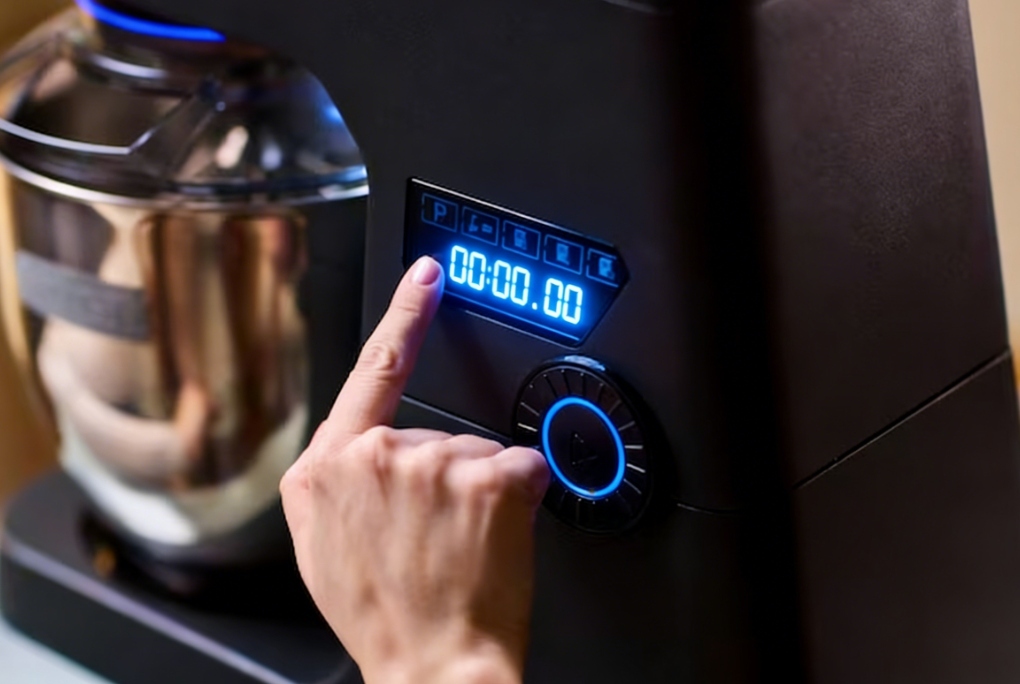
- Smart Kitchen Appliances: Ultra-bright white or multi-color 7-segment displayswork well in ovens, refrigerators, and range hoods by giving clear visibility even in strong ambient light.
- New Energy & Transportation: Customized displays suit UPS systems, electric scooters, and outdoor charging stations with strong sunlight readability and wide temperature tolerance.
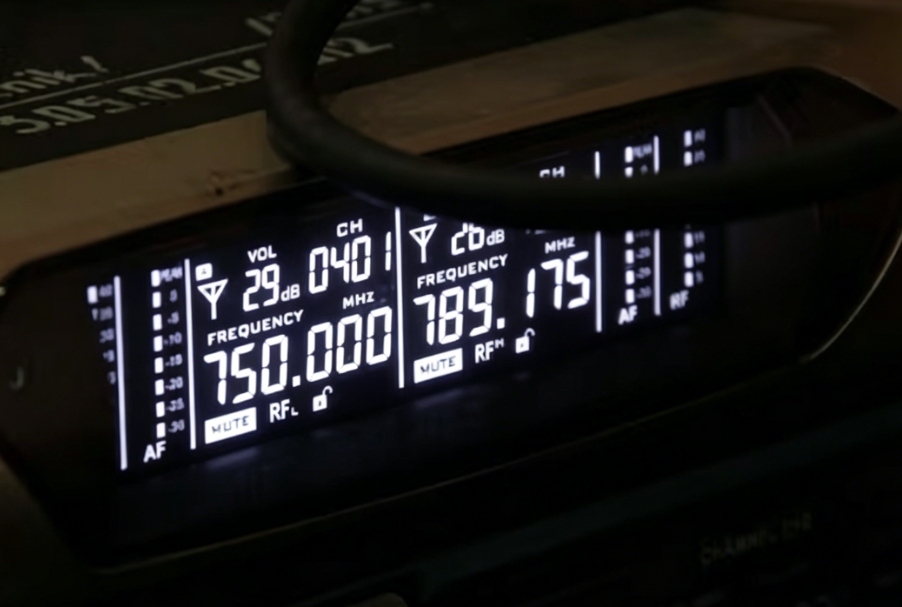
- Industrial & Measurement Instruments: Dot matrix and alphanumeric displays provide clear multi-data readouts in high-EMI settings.
Phase 4: Scaling to Mass Production with Batch Consistency
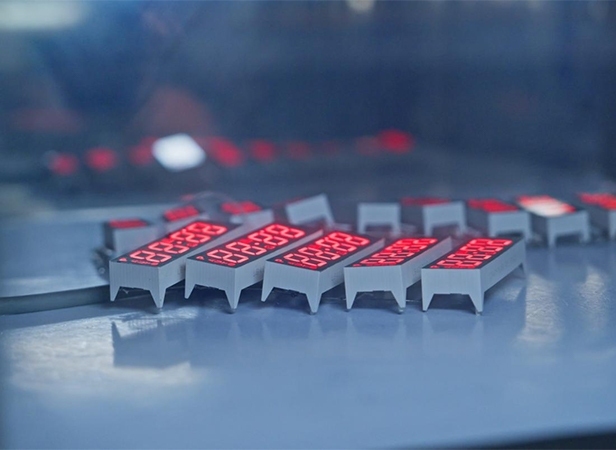
Transitioning from validated prototypes to full-scale LED display mass production requires rigorous process control to maintain identical performance across every unit.
Automated Assembly and Process Control
Deploying advanced automated machinery eliminates human error and maintains tight manufacturing tolerances during volume manufacturing.
- Automated Die Bonding: High-speed precision placement ensures consistent electrical contact and optical alignment.
- Automated Optical Inspection (AOI): In-line vision systems inspect segment clarity, missing dots, and surface defects in real time.
- Strict Process Controls: Standardized assembly protocols prevent variations between initial sample runs and full LED display mass production.
Long-Term Supply Chain and Quality Assurance
Dependable manufacturing standards protect your supply chain from component variations and delivery delays.
- ISO 9001 Quality Standards: Standardized quality management frameworks ensure traceable manufacturing history.
- RoHS Compliance & Certifications: Adhering to international environmental and safety benchmarks allows worldwide distribution.
- Batch Consistency: Rigorous batch consistency and LED bin management ensure uniform color matching and brightness levels for future production runs.
Partner with LIGHTBO for Your Next Custom Display Project
Handling tough LED display product development calls for an experienced OEM LED display manufacturer. Such a partner can handle custom engineering, quick prototyping, and large-scale production. If you work on smart home appliances, reliable industrial tools, or new energy products, LIGHTBO acts as your go-to custom LED display manufacturer and OEM LED display supplier. We offer full support to make your ideas real.
Want to begin your next display design? Reach out to LIGHTBO’s engineering team now. Send your LED display design requirements and ask for a working LED display sample.
Domande frequenti
Q: What technical specifications are required to initiate a custom LED display development project?
A: You should provide mechanical dimensions, custom pin configuration preferences, LED display design requirements (such as LED color/wavelength, operating voltage, and target brightness levels), and expected operating environment conditions (e.g., indoor/outdoor, temperature ranges).
Q: How does wavelength and intensity binning maintain LED color consistency and batch consistency in custom LED display mass production?
A: Binning categorizes individual LED chips by exact wavelength and optical brightness during manufacturing. Using chips from tightly controlled bins ensures superior LED color consistency and long-term batch consistency across all segments and future LED display mass production runs.
Q: What is the typical lead time for a custom LED display prototype versus mass production?
A: Delivering an initial custom LED display prototype or LED display sample generally takes 2 to 3 weeks following drawing confirmation, while scaling to full LED display mass production typically takes 3 to 4 weeks depending on order volume and component customization.
Q: Can display modules be customized to simplify PCB integration with driver ICs or capacitive touch functionality?
A: Yes, during custom display development, designs can incorporate onboard driver ICs, custom PCB carrier boards, and capacitive touch sensors directly into the display assembly to streamline PCB integration and lower overall system costs.


