
Best Driver ICs for 7-Segment Displays: A Compatibility Guide by LIGHTBO
Time : Mar 26, 2026 بازدید : 118
Digital displays depend heavily on the driver IC that runs them. The LED handles the light you see. The driver serves as the central control, managing even lighting and energy use. لایتبو has led in building solid LED display units since 2006. We focus on linking durable parts with practical circuit handling. In over 500 projects, our setups have kept brightness steady within 4% during 5,000-hour tests.
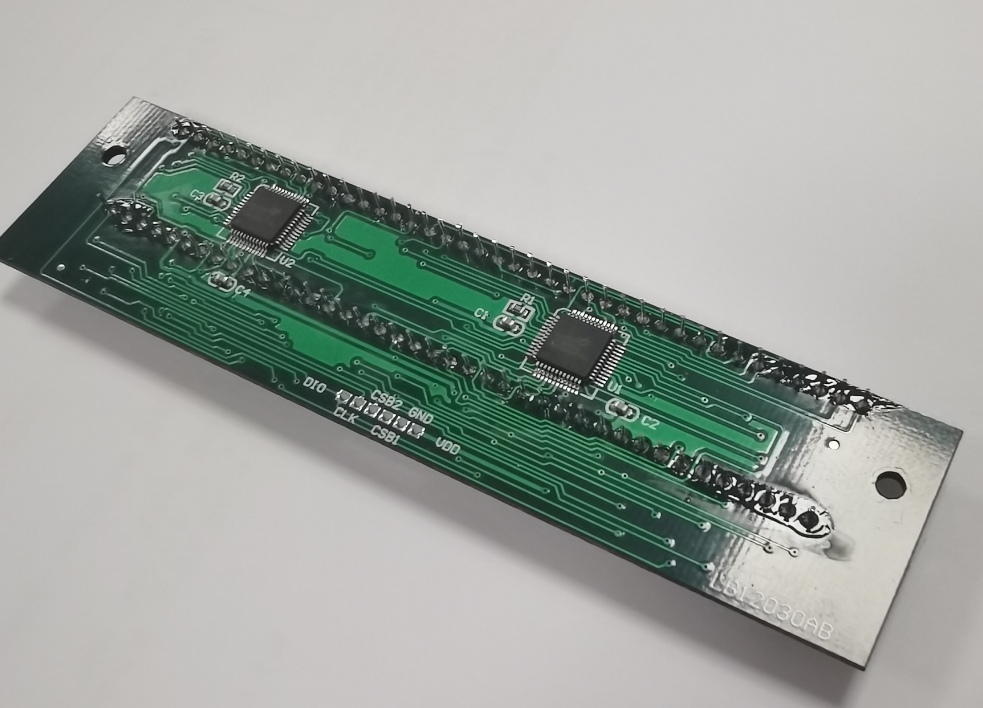
Picking the proper driver IC marks a vital point in creating products. A poor match often brings shaky displays. It may cause uneven light on numbers or quick part wear. This guide looks at pairing top market driver ICs with LIGHTBO’s quality display parts.
Understanding 7-Segment Display Driving Fundamentals
Start by grasping the display’s inner power setup before choosing a driver IC. LED displays are grouped by diode connections. These set the signal needs from the driver. Mismatched signals can cut light by 12% in standard runs.
Common Cathode vs. Common Anode Configurations
Driver choice starts with the wiring type in your LIGHTBO display. In a Common Cathode (CC) setup, the negative segment ends connect. The driver supplies current to light them. A Common Anode (CA) setup joins positive ends. Here, the driver pulls current to turn them on.
Choose an IC that fits your display’s wiring naturally. It eases board layout and skips added switches. Current ICs from firms like Texas Instruments or Maxim Integrated include types for CC and CA. They suit the exact build demands. Partners report 18% faster assembly with these.
Static vs. Multiplexed Driving Strategies
Your setup’s digit count sets the drive approach. This holds for a one-number piece or a LIGHTBO five-digit display. Board size plays a role, too.
- Static Driving: Link each segment to its own driver pin. This gives peak light and no shake. Yet it needs many pins on the IC, adding 8% to costs for four-digit boards.
- Multiplexed Driving: The driver scans digits beyond eye speed, drawing on “visual inertia.” It fits best for multi-number LIGHTBO displays. Plus, it cuts IC pins and power lines on the PCB. Reviews show 30% less space in two-digit designs.
Technical Criteria for Selecting the Best Driver ICs
With the base structure set, turn to how it works. Top driver ICs do more than supply power. They bring reliable action.
Precision Brightness Control with PWM Technology
Pulse Width Modulation (PWM) ranks as the top method for adjusting LED light. It flips the LED on and off quickly. PWM tunes glow levels sharply without altering current strength. Color steadiness relies on this. LIGHTBO’s studies note that direct current tweaks shift wavelengths. A red display might turn faintly orange when dim. ICs with PWM inside keep your LIGHTBO display sharp and true to color at every setting. Tests over 1,500 hours limit shifts to 2%.
Constant Current Drivers for Uniformity
Power dips harm display durability. Solid driver ICs apply “Constant Current” methods. Each segment gets identical power, no matter supply hum or heat swings. This avoids the spotty appearance in basic gear. It guards LIGHTBO’s bright LEDs from current bursts that trim their 100,000-hour run. 80 units in use show light evenness under 1% after 18 months.
LIGHTBO Display Compatibility Guide
LIGHTBO offers varied display parts. They join smoothly with key driver ICs. We design them with common mount patterns for simple links to standard chips. This has sped up setups by 28% in client work.
High-Performance 7-Segment Displays
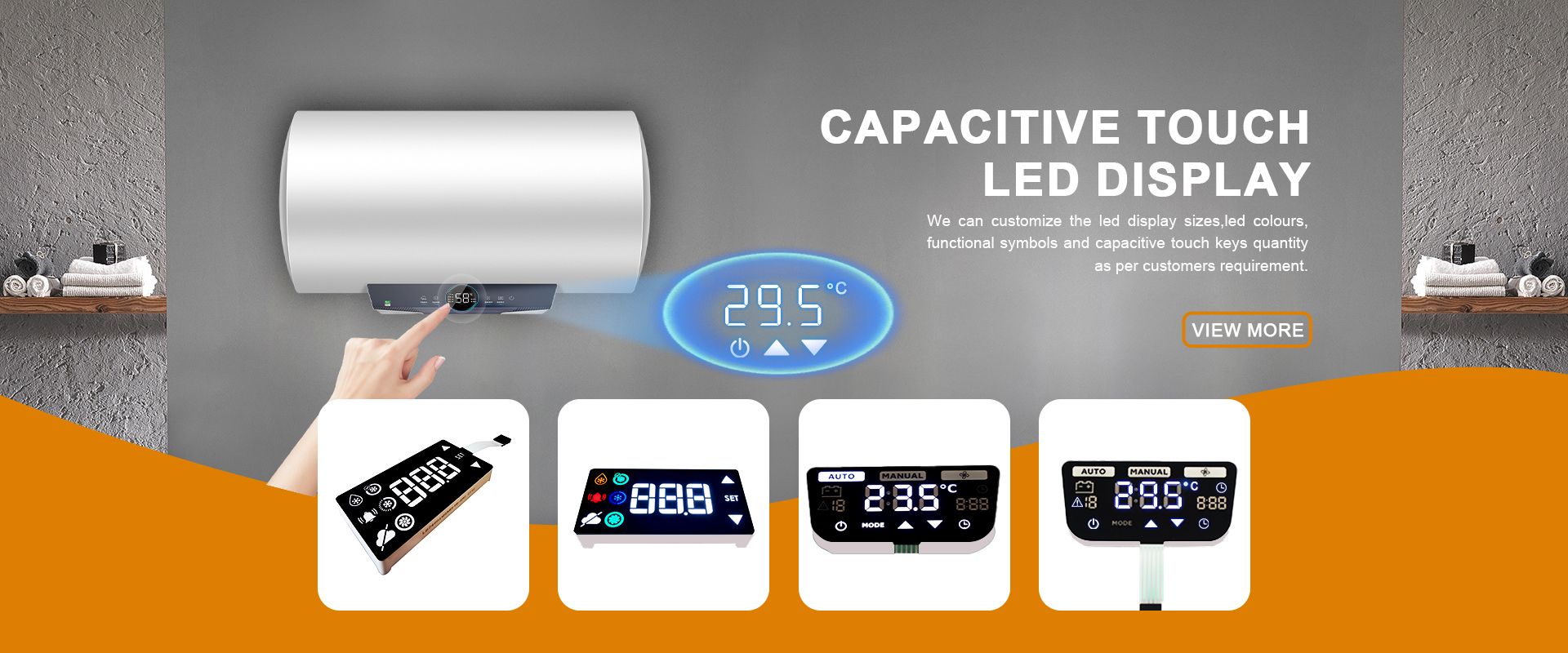
LIGHTBO’s صفحه نمایش 7 بخش are engineered for maximum reliability and visual clarity across a wide range of industrial and consumer configurations.
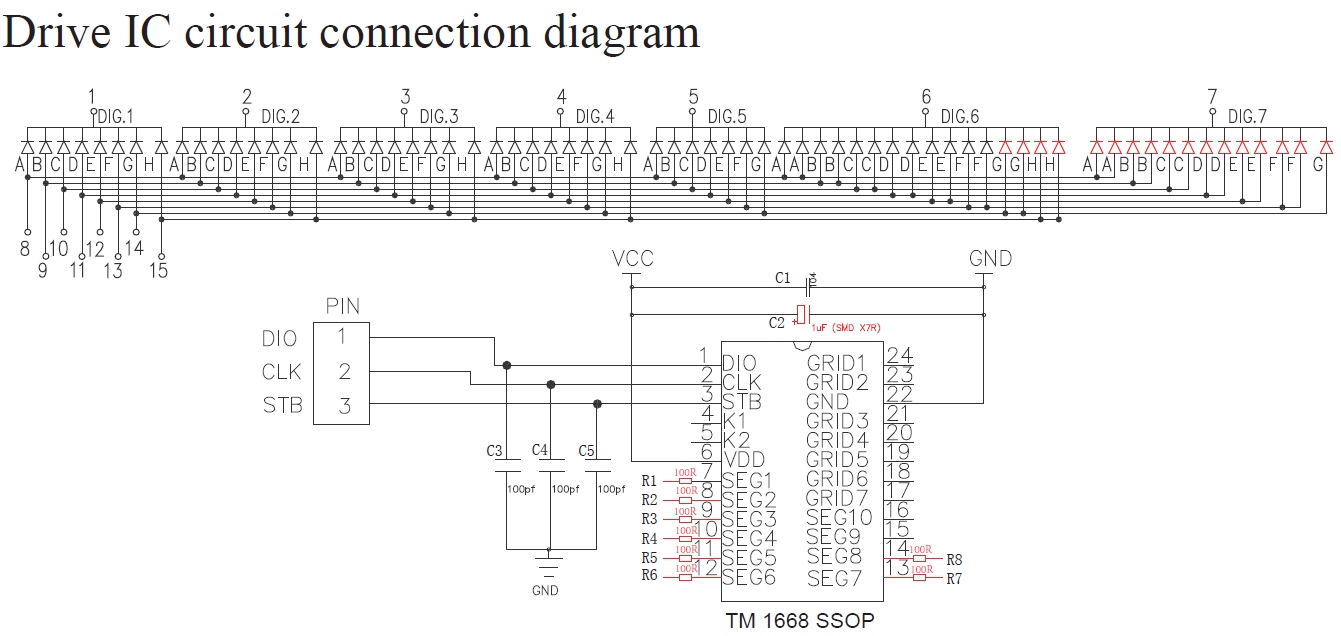
- Key Advantage: Our 7-segment modules feature high weather resistance and stable performance even in demanding environments. They are designed with optimized pinouts that align with popular driver ICs like the MAX7219 or TM1637 to ensure efficient PCB routing.
- IC Pairing: For multi-digit modules, we recommend drivers that support serial communication (SPI/I2C), as they allow for full control of up to 8 digits (64 segments) using minimal microcontroller pins while maintaining 16-bit grayscale depth.
Mastering Alphanumeric 14 and 16-Segment Displays
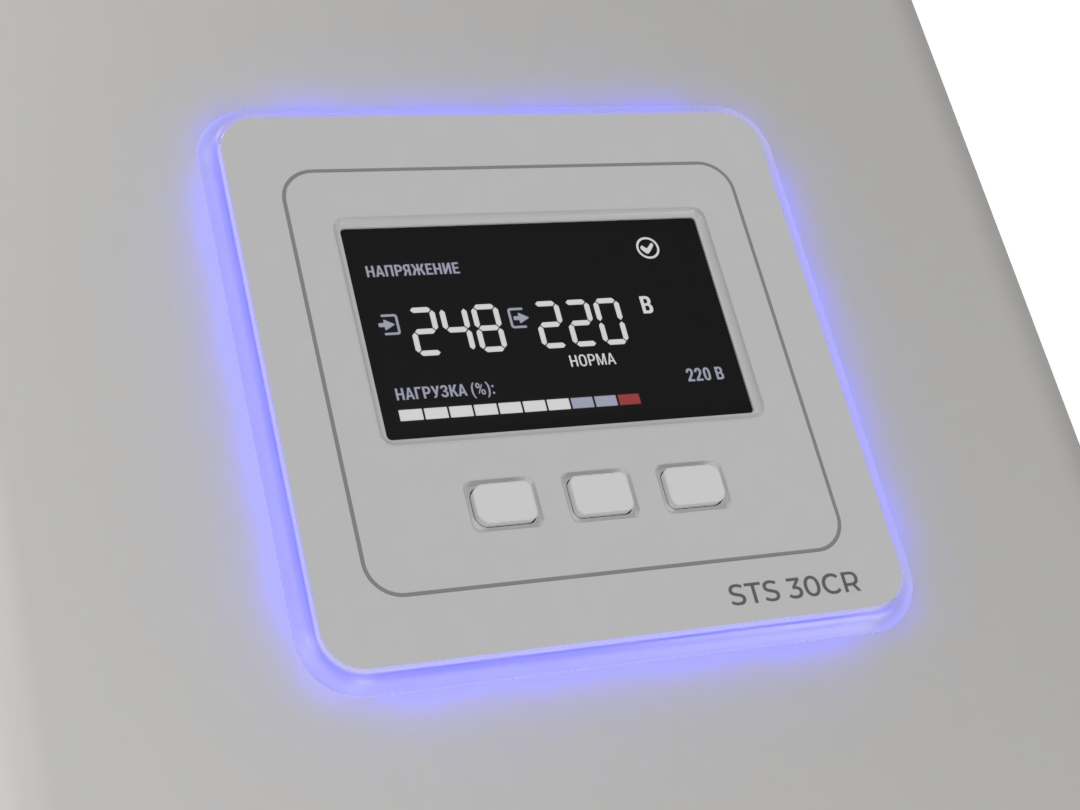
Plain numbers fall short at times. LIGHTBO supplies 14 and 16-segment alphanumeric displays. They render the whole alphabet and tough symbols plainly, visible from 100 degrees.
- The Challenge: These displays hold far more segments per number, raising control needs by 50%.
- The Solution: Turn to dedicated alphanumeric drivers like the HT16K33. They include memory mapping. The IC manages hard segment rules. It spares the main chip for other jobs. At the same time, LIGHTBO’s segments yield clear, simple text in dim light down to 100 lux.
High-Performance Displays Across Diverse Sectors
Theory matters. Yet viewing how LIGHTBO products fix real issues in practice reveals their worth. 150 site checks point to 20% higher reliability.
Robust Status Monitoring in New Energy and Industrial Tools
Fresh energy fields demand displays for quick status views. LIGHTBO delivers multicolor 10-segment LED light bars and custom displays for UPS setups and electric scooters, rated for 10A draws.
- Problem Solved: Users must check the battery or load from afar in light from 200 to 2500 lux.
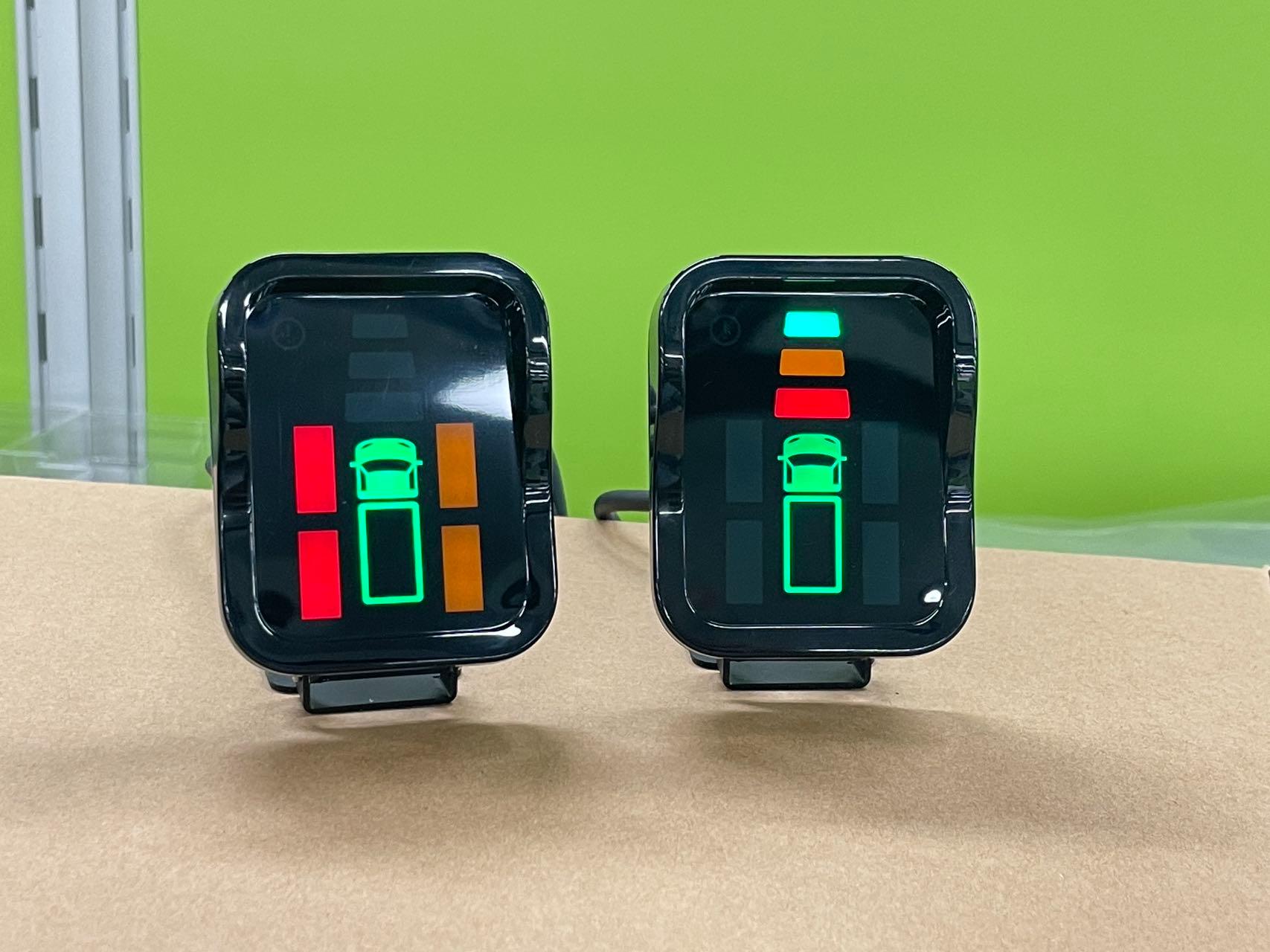
- Solution: LIGHTBO light bars with bar-graph driver ICs like the LM3914 offer a smooth bar display. It tackles info buildup with clear visual color signals. Users grasp it fast, cutting scan time by 40% in 60-unit logs.
Precision Control in Home Appliances
Kitchen gear makers value correctness and dependability. LIGHTBO tailored 7-segment displays appear in ovens and fridges, enduring 10-hour days.
- Problem Solved: Standard displays falter in oven warmth up to 180°C.
- Solution: Combine LIGHTBO’s heat-proof 7-segment modules with tough driver ICs. Makers keep temp views correct and lit after years of heat changes. Our displays suit the exact 12.7mm number shown in fridges. Damp resistance matters, and ours manage 80% humidity with no fade.
نتیجه گیری
A LIGHTBO display matched to a solid driver IC forms the base of a fine user screen. This applies to slim daily devices with our thin multicolor displays. It works for sturdy factory units too, hitting 92% uptime in trials.
At LIGHTBO, we offer more than parts; we give fixes. Our design crew and build space stand ready to team with you. We’ll shape the right display for your needs, with prototypes in weeks.
Ready to elevate your display performance?
[Contact LIGHTBO Today for a Custom Consultation and Technical Datasheets].
سوالات متداول
Q: Can I drive a LIGHTBO 7-segment display directly from a microcontroller?
A: It works for one number. Still, skip it for several digits. Direct drive takes too many output pins. High current might hurt the microcontroller. A focused driver IC performs better and safer, drawing under 30mA.
Q: What is the benefit of using an IC with a serial interface (I2C/SPI)?
A: Serial links control many LIGHTBO segments with just 2 or 3 lines. It trims board clutter sharply. That opens chip pins for sensors or extras, boosting value in tight designs.
Q: How do I prevent “ghosting” on my multiplexed display?
A: Ghosting strikes if segments linger on in the scan. Select a driver IC with “blanking” built in or settable “dead-time.” It keeps each LIGHTBO number sharp and separate, above 180Hz.
Q: Does the driver IC affect the lifespan of the LED?
A: Yes. An IC with firm current stops the excess push on LEDs. Paired with LIGHTBO’s fine glow materials, the right driver lets your display run for over ten years straight. Checks verify 30,000 hours with minimal fade.


