
Smart LED Displays for Refrigerators: Complete Buyer Guide
Time : Aug 28, 2026 Vista : 43
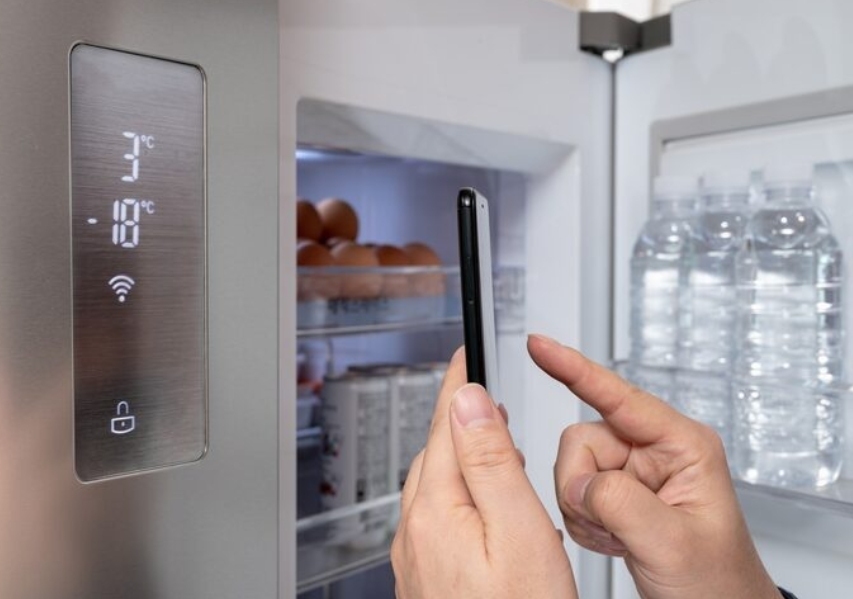
Selecting the right display interface for modern refrigeration equipment means balancing clear visuals, easy circuit fit, and strong durability in tough conditions. Shoppers want easy-to-read temperature feedback along with clean panel looks. Engineering teams need solid board-level compatibility and steady reliability. Picking the right refrigerator LED display shapes both the user experience and long-term brand reputation. As a specialized refrigerator LED display manufacturer, LIGHTBO offers high-performance display solutions built to meet the real demands of home and commercial appliances.
Technical Selection Criteria for Refrigerator LED Displays
Understanding the core mechanical and electrical requirements ensures your refrigerator temperature display survives demanding operating environments while maintaining high visibility.
Readability & High Contrast Requirements
Any refrigerator control panel display must remain perfectly legible under various ambient lighting conditions, from brightly lit kitchens to dark rooms at night.
- High-Contrast Diffusion: Using black or dark grey surface masks with white segments creates a high-contrast LED display with a sharp contrast ratio that makes digits pop.
- Custom Emitting Colors: Pure green, ultra-bright white, and multi-color LED setups allow intuitive color coding for freezer vs. fresh food zones in every Pantalla LED de 7 segmentosfor refrigerator units.
- Hidden Display Tech: Film-covered hidden LED display technology allows digits to blend seamlessly into the panel when unlit, providing a minimalist aesthetic.
Pin Configurations & PCB Compatibility
Good hardware layout helps SMT assembly lines run smoothly and makes mainboard trace routing simpler.
- Common Cathode vs. Anode: Choosing a common cathode 7-segment display gives easy integration with standard display driver ICs.
- Custom Pin Routing: A flexible LED display pin configuration cuts complex multi-layer PCB traces and lowers mainboard production costs.
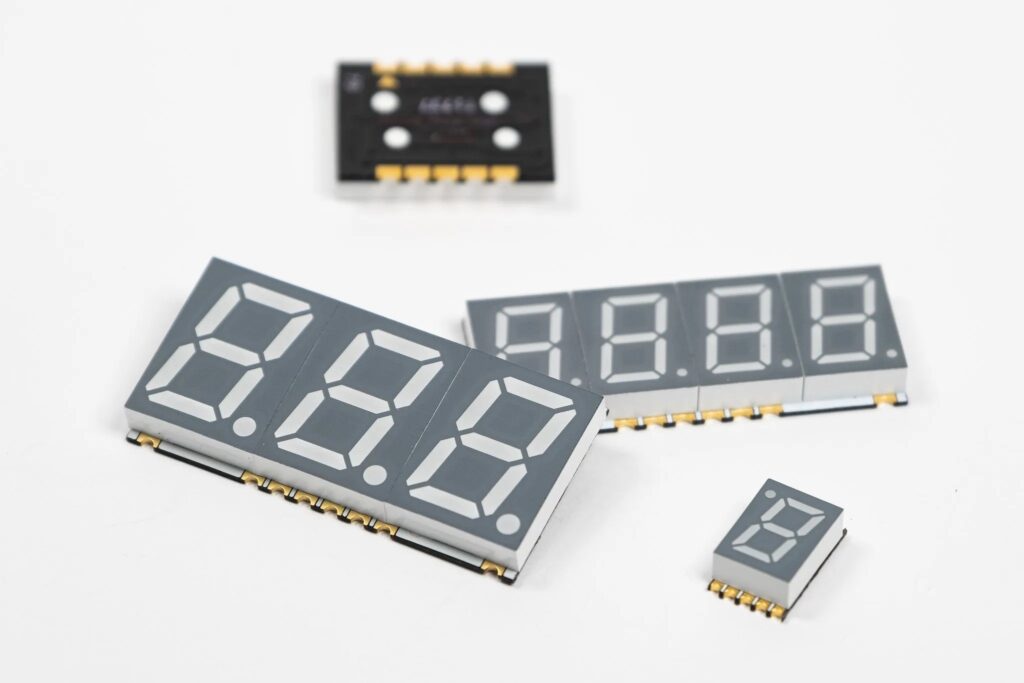
- SMD & Through-Hole Options: Both Surface Mount Device (SMD) and dual in-line pin configurations support automated assembly and keep broad PCB compatibility.
Moisture Resistance & Temperature Stability
Cold appliance interiors put parts under ongoing condensation and shifting temperatures.
- Wide Operating Temperature: Modules built for an extended operating temperature range hold brightness steady with no dimming or flicker.
- Anti-Moisture Encapsulation: Specialty epoxy resin sealing builds a moisture-resistant LED display that stops oxidation and shorts from moisture getting inside.
- Thermal Shock Protection: High-grade lead-frame materials handle repeated heat expansion and contraction over years of use.
Key Types of Refrigerator Control Panel Displays
Refrigeration interfaces range from basic numerical temperature indicators to fully customized, multi-icon control hubs.
Standard 3-Digit 7-Segment Displays
El 3-digit 7-segment LED display remains the industry benchmark for displaying precise target and current temperatures.
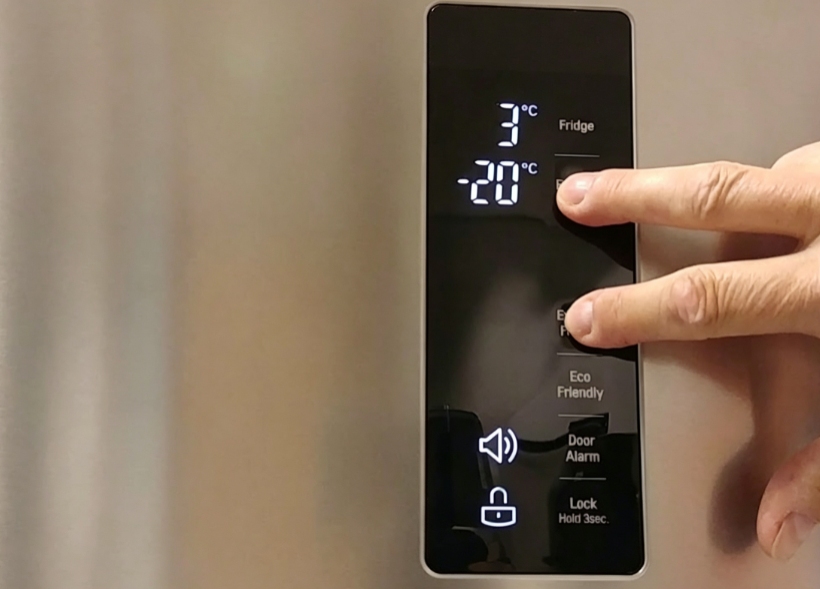
- Temperature Readouts: Dedicated digits accurately show negative values (e.g., -18°C) alongside target setpoints on your refrigerator temperature display.
- Compact Footprints: Standardized heights (such as 12.7mm/0.50 inch) deliver optimal legibility without taking up excessive panel space.
- Energy Efficient: Low power consumption reduces heat output within the door structure, preserving energy ratings.
Custom & Hidden LED Displays
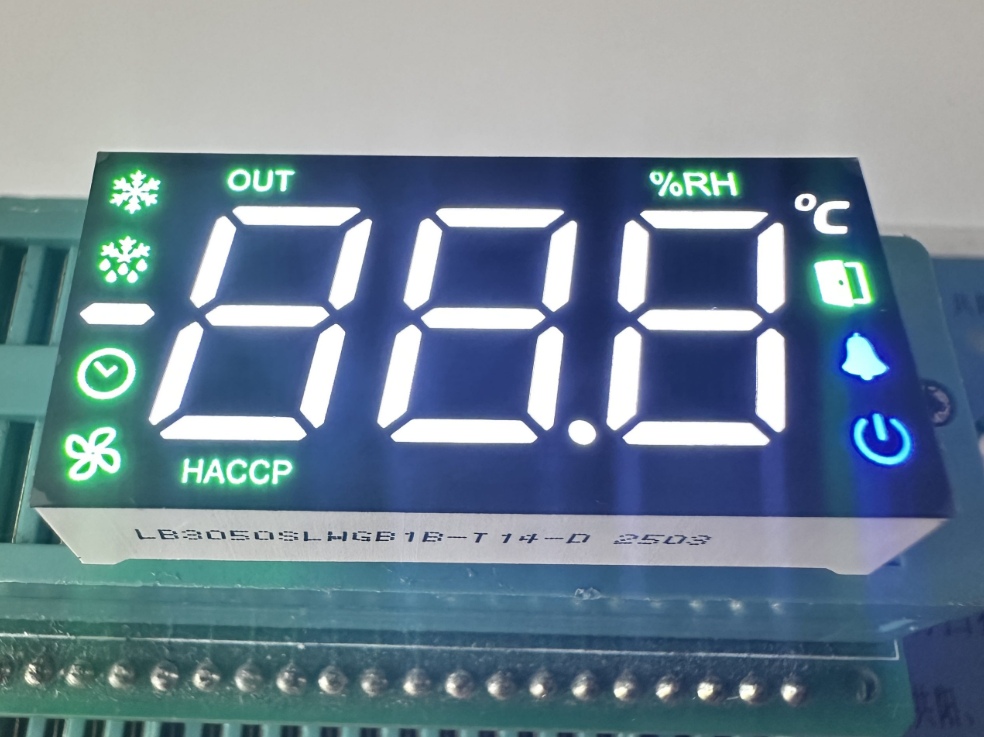
A custom refrigerator LED display configuration allows brands to differentiate their products with unique icon layouts and hidden aesthetics.
- Integrated Status Icons: Incorporate dedicated icons for Eco Mode, Express Freezing, Child Lock, and Water Dispenser alerts onto the refrigerator control panel display.
- Multi-Color Backlighting: Seamlessly combine standard 7-segment numerical blocks with multi-color status bars.
- Dead-Front Design: Specially tuned light output in a hidden LED display penetrates dark front filters so icons appear smoothly out of nowhere when activated.
Quality, Testing, and Manufacturing Excellence
Ensuring consistent optical quality across mass production runs requires strict raw material control and rigorous field simulation tests.
LED Color Consistency & Binning
Visual uniformity across multi-digit displays is critical for high-end appliance aesthetics.
- Strict Wavelength Binning: Tight dominant wavelength matching ensures optimal LED color consistency, where all segments emit identical color tones without visible shift.
- Luminous Intensity Matching: Uniform brightness levels across all digits eliminate distracting hot spots or dim segments in any appliance LED display.
- Long-Term Degradation Control: High-quality chip die selections prevent uneven brightness degradation over long-term usage.
Standardized Reliability Testing
Thorough LED display reliability testing verifies that components will perform reliably over the entire lifespan of the appliance.
- Thermal Cycling Tests: Modules undergo rapid temperature transitions across their full operating temperature range to prove solder joint and bond-wire durability.
- Humidity Exposure: Extended storage in high-humidity chambers validates moisture-resistant LED display sealing integrity.
- Vibration & Drop Testing: Standardized LED display reliability testing ensures structural stability during product shipping, handling, and door-slamming actions.
Colaboración con LIGHTBO para soluciones de visualización personalizadas.
Finding a supplier capable of translating technical requirements into reliable, mass-produced components is key to a smooth product launch.
Engineering Support & Tailored Production
As an experienced refrigerator LED display manufacturer, LIGHTBO combines extensive internal design capabilities with advanced automated production lines to deliver low-cost, high-reliability modules.
- Tailored Engineering: Custom LED display pin configuration options, specific segment shapes, and specialized optical masks designed to meet your exact specifications for an appliance LED display.
- Integrated Driver Solutions: Optional custom refrigerator LED display modules equipped with onboard driver ICs to simplify mainboard software control.
- Strict Quality Systems: Certified manufacturing under ISO-compliant process controls and RoHS compliance ensures long-term reliability.
Ready to upgrade your home appliance control panels with a custom, high-contrast LED display? Contact the LIGHTBO engineering team today to request custom samples, technical datasheets, and competitive volume pricing for your upcoming 7-segment LED display for refrigerator project!
Preguntas frecuentes
Q: What is the benefit of using a common cathode 7-segment display in refrigerator control panels?
A: A common cathode 7-segment display pairs easily with many LED driver ICs. It cuts power use and heat on the control board. At the same time, it matches standard PCB layouts without extra work.
Q: How do custom hidden LED displays function behind dark appliance panels?
A: A hidden LED display uses bright LED chips plus light-spreading layers. Light comes through tinted panels in a clean way when the unit is on. The display stays out of sight when turned off.
Q: Why is moisture resistance crucial for refrigerator temperature displays?
A: Doors open often, so moisture builds up inside. A moisture-resistant LED display uses epoxy seals. These seals block humidity from reaching the wires and pins and causing shorts.
Q: What customization options can be tailored for an appliance LED display?
A: A trusted refrigerator LED display manufacturer offers choices on digit sizes, LED display pin configuration, color mixes, built-in icons, and pin spacing. The same options apply to any custom refrigerator LED display or 3-digit 7-segment LED display.


