
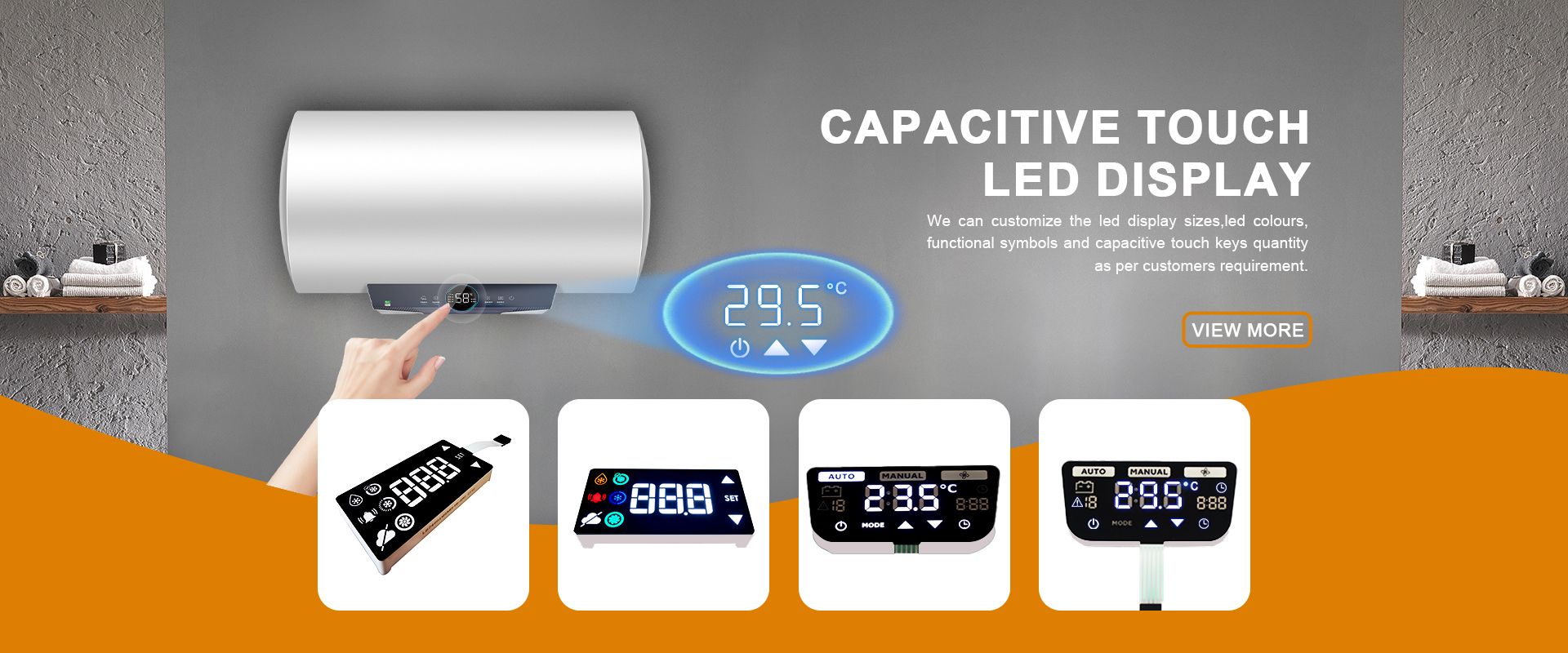
LED vs. LCD: ¿Qué pantalla es la mejor opción para tu próximo proyecto de hogar inteligente?
Fecha: 15 de mayo de 2026 Vista : 1,053
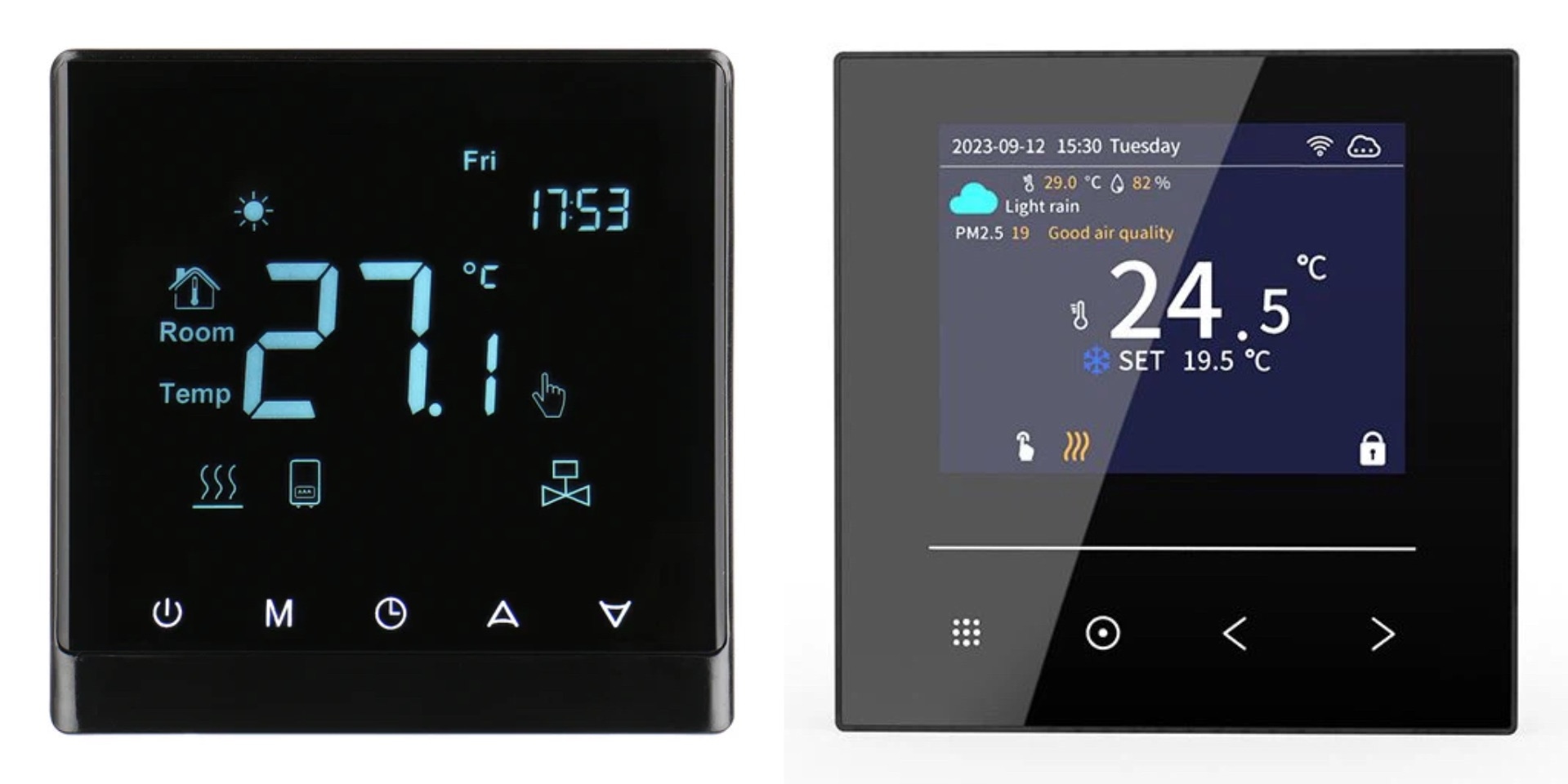
En el panorama actual de los hogares inteligentes, los diseñadores suelen enfrentarse a un dilema: el atractivo de la alta resolución de una pantalla LCD frente a la robustez y la claridad de alto contraste de una pantalla digital LED. Si bien las pantallas LCD destacan en dispositivos con gran cantidad de contenido multimedia, la «inteligencia» de la mayoría de los electrodomésticos inteligentes requiere algo más funcional: fiabilidad, visibilidad excepcional y eficiencia energética.
LIGHTBO, fabricante líder de pantallas digitales LED, ha dedicado décadas a perfeccionar la tecnología que impulsa las interfaces domésticas más fiables del mundo. Seleccionar la pantalla adecuada no es solo una cuestión estética; se trata de garantizar que el temporizador de una cafetera sea visible en una cocina soleada o que la batería de una cerradura inteligente no se agote prematuramente debido a la altura de la pantalla.
Arquitectura técnica: cómo se diferencian los LED y las pantallas LCD en su esencia.
Para comprender los fundamentos científicos de estas tecnologías, empieza por ahí. Eso te ayudará a crear una mejor interfaz de usuario para tu producto.
Emisión directa frente a cristales líquidos retroiluminados
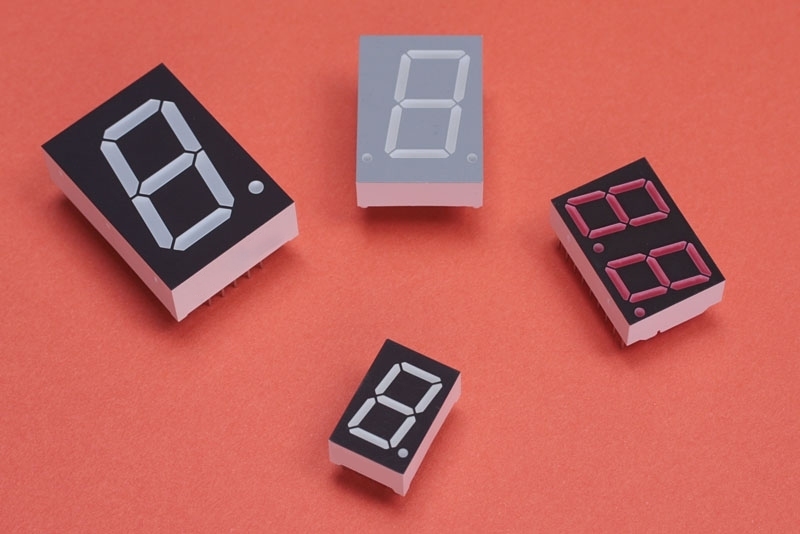
Pantallas digitales LED, como las 7 segmentos Los tipos alfanuméricos de LIGHTBO funcionan por emisión directa. Cada componente es un diodo que genera su propia luz. Las pantallas LCD (pantallas de cristal líquido) no generan luz por sí mismas, sino que bloquean o dejan pasar la luz proveniente de una fuente posterior.
- Ventaja de los LED: Al emitir luz directamente, los componentes LED ofrecen ángulos de visión de casi 180 grados. Evitan los cambios de color o la decoloración que se observan en las pantallas LCD económicas.
- Limitación de la pantalla LCD: Las pantallas LCD requieren una configuración en capas con filtros, cristales y retroiluminación. Esto hace que todo el módulo sea más grueso.
Complejidad y huella de componentes
Los componentes de control de estas pantallas varían mucho. Las pantallas LCD requieren controladores complejos y enlaces de datos rápidos para gestionar la gran cantidad de píxeles. Las pantallas digitales LED son mucho más sencillas.
- Controladores integrados: LIGHTBO vende pantallas LED con chips incorporados. Esto reduce la cantidad de pines en su procesador principal.
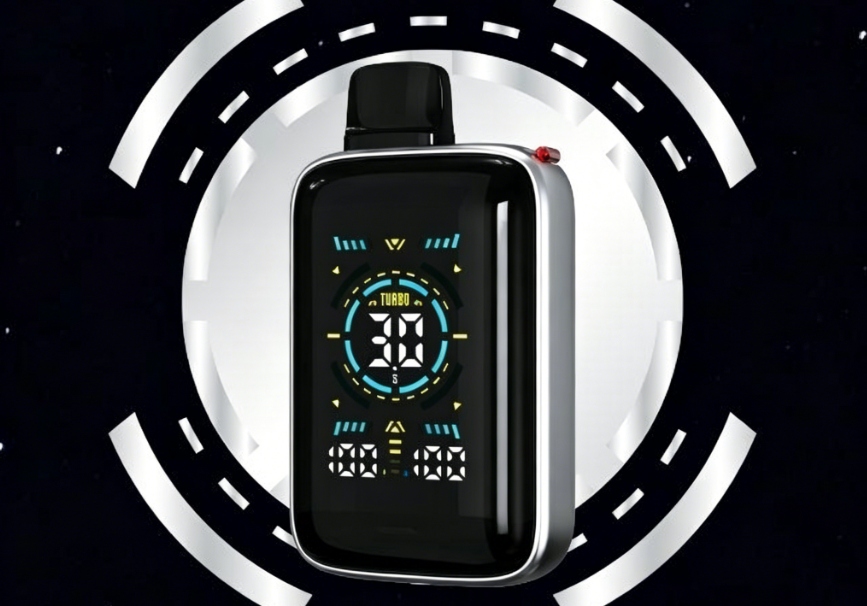
- Ahorro de espacio: En artículos domésticos inteligentes pequeños como cigarrillos electrónicos o dispositivos portátiles con sensores, LIGHTBO® Pantallas LED SMD ultrafinasSe ajustan mejor. Las pantallas LCD tienen problemas debido a sus capas de vidrio y retroiluminación.
Pruebas de rendimiento: ¿Qué pantalla sobrevive en el entorno del hogar inteligente?
Cualquier pantalla funciona bien en un laboratorio. Pero en una cocina, un garaje o un lavadero soleado, se aprecian las verdaderas diferencias.
Legibilidad y contraste a la luz del sol
Los dispositivos inteligentes para el hogar suelen colocarse cerca de las ventanas o bajo luces intensas.
- Niveles de brillo: Las pantallas digitales LED alcanzan un brillo superior a los de las pantallas LCD básicas. La serie «Ultra Bright White» de LIGHTBO es ideal para habitaciones luminosas. Permite ver con claridad los temporizadores del horno o la temperatura del termostato desde lejos.
- Reconocimiento instantáneo: Para información clave como el nivel de batería o las alertas de calor, los LED de alta resolución ofrecen datos de lectura rápida. Los usuarios no necesitan analizar una pantalla de píxeles completa.
Consumo de energía y gestión térmica
En los electrodomésticos inteligentes que funcionan con baterías, el consumo de energía es de suma importancia.
- Estático vs. Dinámico: La retroiluminación de una pantalla LCD permanece encendida para toda la información, consumiendo energía constante. Una pantalla digital LED consume energía solo para las partes activas.
- Innovación de bajo consumo: Nuestra Barras de luz LED de 10 segmentosLas pantallas de 7 segmentos funcionan con bajo consumo de corriente. Esto prolonga la duración de la batería en cerraduras inteligentes y controles portátiles.
Vida útil y durabilidad ambiental
Los entornos domésticos pueden suponer un desafío para los aparatos electrónicos, como el vapor en los baños o el calor en las cocinas.
- Tolerancia a la temperatura: Los cristales LCD pueden endurecerse con el frío o presentar fugas con el calor. Las pantallas LED de LIGHTBO utilizan componentes sólidos. Funcionan de forma estable en un amplio rango de temperaturas, desde paneles exteriores fríos hasta unidades de medición calientes.
- Resistencia a las vibraciones: A diferencia de las pantallas LCD, que son frágiles y requieren líquidos, las pantallas LED son ideales para dispositivos con movimiento. Por ejemplo, lavadoras inteligentes o robots aspiradores.
Escenarios de aplicación para hogares inteligentes: La herramienta adecuada para cada tarea.
La teoría no sirve de mucho sin su aplicación práctica. Aquí te mostramos cómo LIGHTBO aborda los problemas clave de construcción en la práctica.
Electrodomésticos de cocina: Resistencia al calor y a la grasa
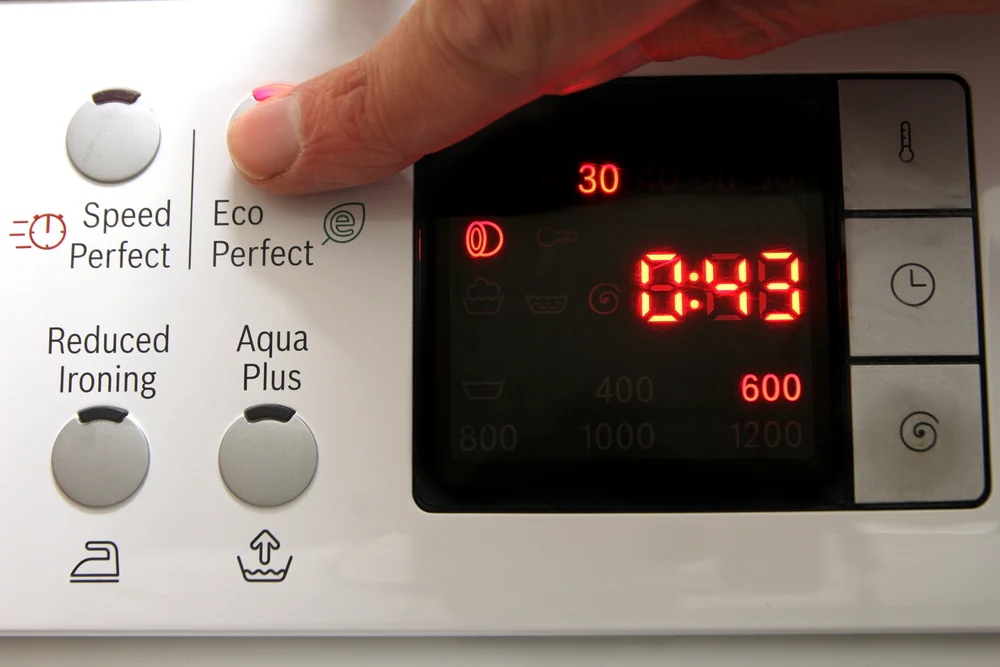
Las cocinas actuales necesitan superficies que soporten altas temperaturas y limpiezas frecuentes.
- El problema: Los paneles táctiles LCD suelen estropearse por el vapor o el contacto con superficies aceitosas.
- La solución LIGHTBO: Nuestras pantallas de 7 segmentos personalizadas para hornos y refrigeradores utilizan recubrimientos especiales que combaten el amarilleamiento y el desgaste por calor. Gracias a la tecnología LED con cubiertas de plástico o vidrio resistentes, los fabricantes obtienen superficies fáciles de limpiar que conservan su nitidez durante más de 10 a 15 años.
Herramientas eléctricas y sistemas energéticos: precisión y robustez
Los cargadores inteligentes y las unidades de almacenamiento necesitan actualizaciones precisas y en tiempo real.
- El problema: Los sistemas solares o los grupos de baterías se encuentran en cobertizos o al aire libre. La luz ultravioleta deteriora las pantallas LCD en esos lugares.
- La solución LIGHTBO: Ofrecemos pantallas digitales LED estables para campos de energía. Estas incluyen múltiples visualizaciones de voltaje y corriente sin retardo. Nuestros tipos de matriz de puntos incorporan iconos básicos, como un símbolo de carga, junto a las cifras. El resultado es una interfaz robusta y funcional.
Dispositivos de cuidado personal: la necesidad de una integración en miniatura.
Artículos como cepillos de dientes eléctricos, cigarrillos electrónicos o herramientas para el cuidado de la piel se enfrentan a limitaciones de espacio muy estrictas.
- El reto: Colocar una pantalla en una empuñadura redonda o muy delgada.
- La solución LIGHTBO: Nuestras pantallas LED SMD multicolor ultrafinas y personalizadas se adaptan a líneas de montaje superficial. Permiten un ensamblaje automático rápido, lo que reduce los costos de mano de obra. Además, ofrecen una apariencia limpia y moderna con formas compactas y fáciles de manejar.
¿Por qué LIGHTBO es la opción estratégica para los fabricantes de hogares inteligentes?
Elegir una pieza para exhibición implica más que la pieza en sí. Significa que el equipo la respalda.
Soporte para personalización e I+D
Cada casa inteligente es diferente. Las pantallas prefabricadas rara vez se adaptan a diseños poco convencionales.
- Equipo de diseño profesional: LIGHTBO cuenta con un equipo de diseño interno altamente cualificado y un taller de herramientas moderno. Vamos más allá de las ventas. Trabajamos con su equipo para definir la configuración exacta de la letra o pieza que su interfaz necesita.
- Combinación de colores: Para un determinado "azul médico" en equipos de laboratorio o un "ámbar cálido" en cafeteras de alta gama, nuestras opciones de color hacen que la pantalla se adapte al estilo de su marca.
Excelencia en la fabricación y estándares globales
La calidad constante distingue a un proveedor de primera categoría.
- Certificación de calidad: Desde 2015, contamos con la certificación ISO 9001 para el control de calidad. Cada lote se somete a controles exhaustivos en nuestro laboratorio para cumplir con la normativa RoHS y garantizar una mayor durabilidad.
- Capacidad de producción: Gracias a su sistema de automatización inteligente y a sus rigurosos controles de proceso, LIGHTBO gestiona desde pruebas piloto hasta grandes producciones globales.
Conclusión
Las pantallas LCD funcionan bien para herramientas con gran cantidad de vídeo. Sin embargo, las pantallas digitales LED son las mejores para aplicaciones prácticas en el hogar inteligente. Para una visión nítida, una construcción robusta y un ahorro de energía, LIGHTBO suministra componentes que garantizan la durabilidad de los electrodomésticos.
¿Listo para mejorar la interfaz de tu hogar inteligente?
Contacto LIGHTBO Hoy Para una consulta de diseño personalizado, póngase en contacto con nuestro equipo de ingeniería por correo electrónico a lightbo2@lightbo.cn para solicitar muestras para su próximo prototipo.
Preguntas frecuentes
P: ¿Las pantallas digitales LED pueden mostrar caracteres alfabéticos o solo números?
A: Con las pantallas LED alfanuméricas (de 14 o 16 segmentos), aparecen letras y símbolos completos. Esto permite que mensajes como "CALEFACCIÓN" o "ERROR" sean fáciles de leer.
P: ¿Cómo gestionan las pantallas LED la humedad en baños inteligentes o aplicaciones exteriores?
A: A diferencia de las pantallas LCD, que sufren acumulación de humedad interna, las pantallas LED se sellan fácilmente. LIGHTBO ofrece opciones de encapsulado y carcasa con protección IP contra el agua y el polvo.
P: ¿Es más caro personalizar las pantallas LED que las LCD?
R: No, los cambios de LED suelen ser más económicos. Las herramientas para pantallas LCD personalizadas son caras y requieren mucho tiempo, pero LIGHTBO crea configuraciones de piezas o colores más rápido y con menores costos de configuración.
P: ¿Qué tecnología de visualización es mejor para la interfaz de usuario "de un vistazo"?
A: Las pantallas digitales LED son ideales para configuraciones que permiten una visualización rápida. Su fuerte contraste y luz directa permiten a los usuarios captar la información rápidamente desde lejos o de lado, evitando el tiempo de escaneo que requieren las pantallas LCD detalladas.


