
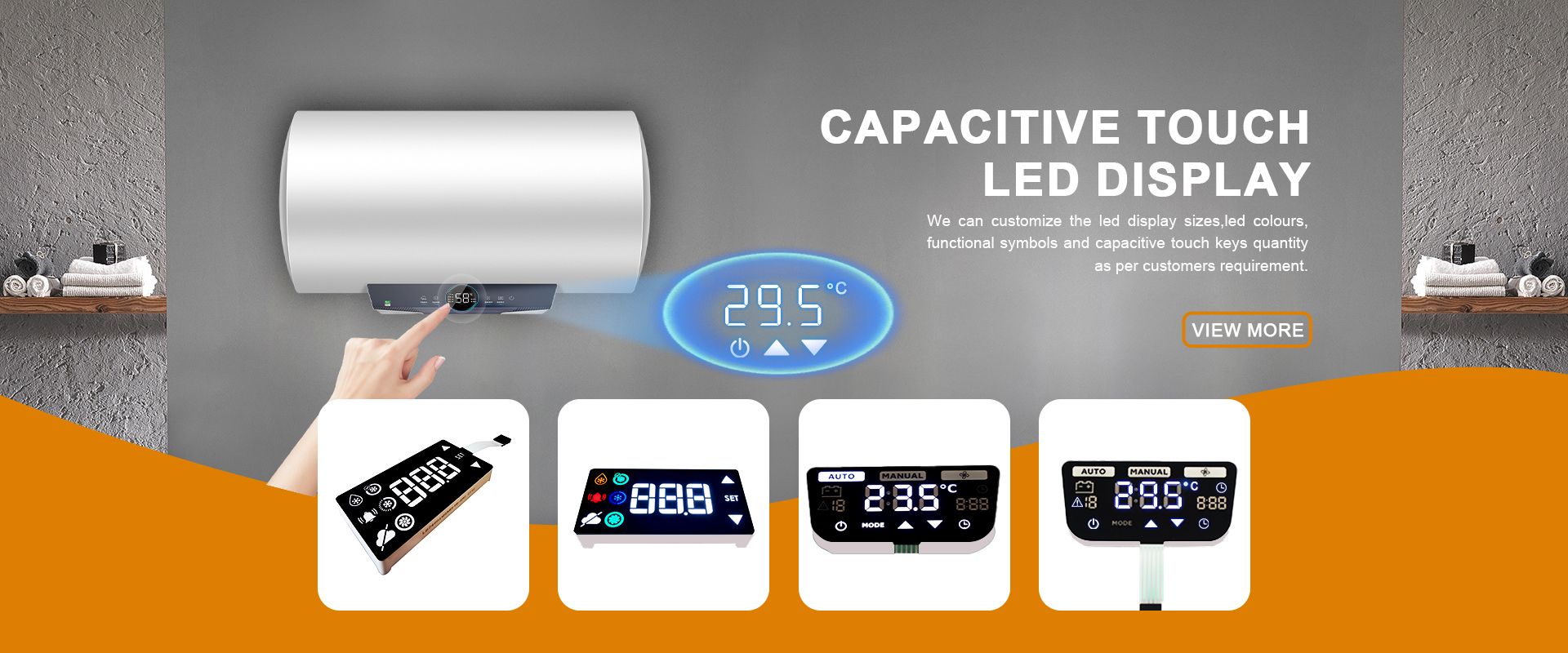
Understanding Forward Voltage and Current Drive for Long-Life LED Displays
Time : Mar 13, 2026 View : 395
In digital products, the LED display usually catches the eye first. For engineers and manufacturers, however, the real measure of success lies not in how bright the display looks on day one, but in how well that brightness lasts after tens of thousands of operating hours. Whether the application involves a premium refrigerator control panel or a rugged industrial gauge, the display’s useful life hinges on two key electrical properties: Forward Voltage (Vf) and Current Drive.
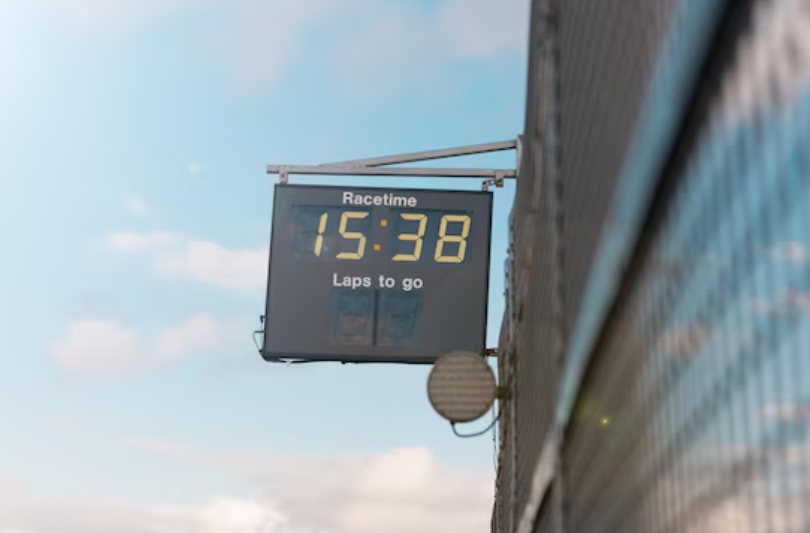
As a leading professional manufacturer, LIGHTBO presents this article to explain the critical roles of forward voltage and current drive in ensuring the longevity of displays.
The Science of Longevity: Why Vf and Current Drive Matter
An LED is fundamentally a current-driven component. Unlike old-fashioned filament bulbs, the light output of an LED depends directly on the forward current (If) passing through it rather than the voltage placed across its terminals.
Understanding Forward Voltage (Vf) Variations
Forward Voltage represents the threshold voltage needed to start current flow and produce visible light. This value stays far from constant. It changes according to the semiconductor material and the emitted color. For example, Pure Green or Ultra Bright White 7-segment displays generally call for a higher Vf compared with standard red versions.
When a driver circuit supplies a fixed voltage without accounting for these differences, even a minor voltage increase can cause a sharp rise in current. LIGHTBO stresses the need to know the exact Vf behavior of each production lot. Our in-house test lab checks every Customized White/Pure Green/Blue 7 Segment LED Display to keep Vf within tight limits. That careful screening helps avoid early brightness loss or outright failure during real-world use.
The Danger of Thermal Runaway in LED Displays
LEDs exhibit a negative temperature coefficient for Forward Voltage. As the device warms up from normal operation, its Vf drops. If the display runs from a constant voltage supply, the lower Vf permits more current to flow. That added current generates extra heat, which drops Vf further and starts a self-reinforcing cycle known as thermal runaway. Left unchecked, this process damages or destroys LED segments.
The practical answer lies in constant current drive. Holding the current steady keeps brightness consistent even when temperature varies, or minor Vf shifts occur. At LIGHTBO, our LED Display with IC solutions and SMD LED Displays pair naturally with modern constant-current driver circuits. As a result, a 2-digit 0.56-inch display can deliver even illumination for many years of service.
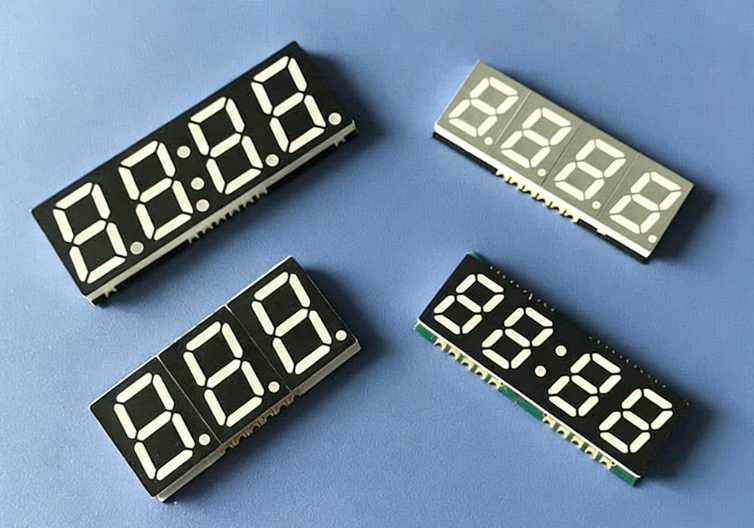
Precision Driving in Real-World Application Scenarios
Book knowledge carries weight, yet the true test comes when these concepts meet specific industry conditions. That is where basic products separate from those built for lasting performance.
High-Temperature Environments: Ovens and Kitchen Appliances
Kitchen appliances are exposed to heat generated inside the unit, plus warm surroundings. An Ultra Bright White Custom 7 Segment LED Display for Oven needs to stay readable even when temperatures climb.
-
The Problem: Elevated heat speeds up chip wear whenever current runs near the upper limit just to achieve brightness.
-
The LIGHTBO Solution: We guide customers toward high-efficiency LED chips that deliver more light output per milliamp. Running at reduced current while preserving Ultra Bright visibility extends operating life considerably in tough kitchen settings.
Critical Data Monitoring: UPS and Industrial Power Fields
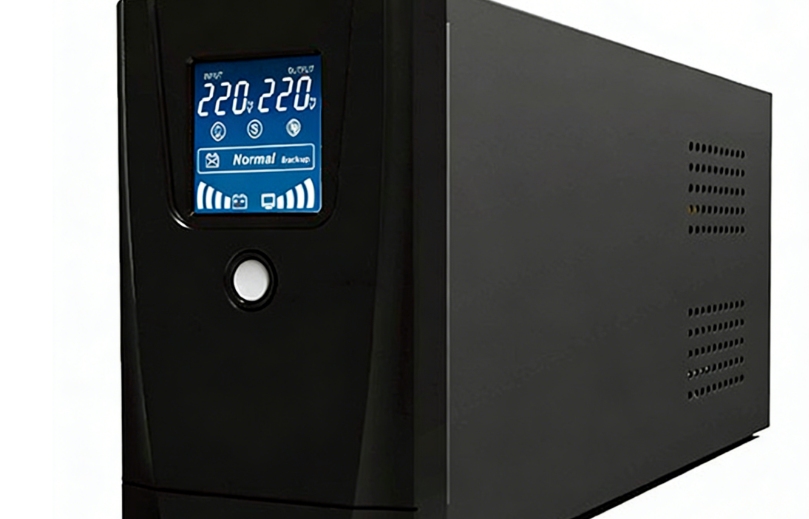
In the New Energy Industry and Industrial Power Fields, displays such as the Multicolor customization 7 Segment LED Display for UPS provide round-the-clock information.
-
The Problem: A single weak or failed segment in a 14-segment or 16-segment alphanumeric display can easily turn a critical reading into a misread value—for instance, a zero mistaken for a six.
-
The LIGHTBO Solution: For these demanding uses, we supply Alphanumeric LED Displays and 10-Segment LED Light Bars with closely matched Vf across all segments. Uniform brightness follows, which proves vital for LED Display Tube Application Solutions in Instruments where accurate reading cannot be compromised.
Compact and Portable Tech: E-cigarettes and Electric Scooters
Electric Scooter LED Displays and Multicolor Ultra Thin Custom 7 Segment LED Displays for E-cigarettes face tight space restrictions.
-
The Problem: Small enclosures limit heat escape. Pushing these compact parts too hard causes a rapid temperature rise inside the device.
-
The LIGHTBO Solution: Our SMD LED DISPLAY products feature a slim outline along with carefully placed thermal pads. High-grade SMD components allow clean, thin designs without giving up the heat management needed for reliable long-term operation.
How LIGHTBO Ensures Display Reliability
Since starting operations in 2006, we have held to the guiding idea of Pursuing Excellence, Building Success Together. Our work goes beyond making components; it focuses on delivering complete, practical solutions.
Advanced Testing and Quality Control Systems
At LIGHTBO, quality represents a concrete standard rather than an empty claim.
-
Professional Test Lab: We maintain an internal lab fitted with reliability testing equipment.
-
Strict Process Control: Advanced automatic machines and a tightly managed process system keep every LED display in line with ISO 9001 quality requirements.
-
Compliance: All items conform to RoHS standards and pass thorough supplier evaluations.
Customization and Technical Support for Optimized Solutions
Each customer project brings distinct demands. Whether the need calls for a three-digit or six-digit display, our internal design team works directly with clients to create suitable products. We handle:
-
Custom Colors: Including customized white, pure green, and blue options.
-
Flexible Digits: Configurations ranging from single-digit to six-digit layouts.
-
Integrated Modules: We have developed display modules with self-developed control programs and capacitive touch multifunction modules.
Conclusion: Balancing Performance and Lifespan
Long display life does not come from simply applying the lowest possible current. It results from Precision Driving. Matching drive current carefully to the actual Forward Voltage of high-quality LEDs produces a display that stays bright and reliable over time.
LIGHTBO draws on nearly twenty years of manufacturing experience, together with modern automated production lines, to help customers reduce costs while strengthening product competitiveness. A weak display should never become the limiting factor in your overall design.
Ready to move forward with precision-engineered LED solutions? Reach out to LIGHTBO today to review your specific needs. Our technical staff stands prepared to assist with driver circuit design and display selection.
-
Email: lightbo@lightbo.cn
-
WhatsApp: +8615986806101 (Jayson) / +8618320538436 (Jack)
FAQ
Q: Why does the brightness of my 7-segment display segments look uneven?
A: Uneven brightness commonly stems from a constant voltage drive instead of a constant current. Tiny Vf differences between segments cause uneven current flow and mismatched light output. Choosing matched parts from LIGHTBO and pairing them with a constant current driver corrects the issue.
Q: How does ambient temperature specifically impact LED lifespan?
A: Higher temperature reduces Forward Voltage, which allows more current to flow and triggers thermal runaway. For every 10°C increase in junction temperature, material wear accelerates noticeably and shortens LED life.
Q: When should I choose an SMD LED display over a traditional through-hole (DIP) version?
A: SMD displays suitable automated assembly lines and compact products such as e-cigarettes or slim handheld devices. They provide better use of space and fit the requirements of contemporary thin electronics.
Q: Can I drive multiple LED segments in a dot matrix display in parallel?
A: Parallel connection without individual control is strongly discouraged. Vf variations mean one segment typically draws more current, runs hotter, and fails sooner than the rest. Each segment or string should use its own current-limiting resistor or a separate constant current channel.


