
How LED, Mini LED, and Micro LED Compare in Real Use
Time : Dec 11, 2025 View : 318
The Evolving Landscape of Digital Display Technology
Back when LED first showed up, they were tiny red or green dots that told you if the power was on. Fast forward a few decades, and the same basic idea now lights up everything from a cheap kitchen timer to a 75-inch living-room TV. The catch is that people started calling very different things by the same name, “LED display.” In everyday talk, you now have three separate animals: regular old-school LED, the newer Mini LED backlight you see in high-end TVs, and the still-rare Micro LED panels that promise to change everything again. Knowing which one actually fits your product can save you a lot of money and headaches.
The Foundation: Traditional LED Display Technology
Defining the Classic Diode
These are the LED most factory floors have used for the last thirty years. Each little chip is big enough—usually a few hundred micrometers across—that you can pick and place it with normal machines or even solder it by hand if you have to. They do two main jobs:
-
They light up directly to form numbers or simple letters (think the red digits on your microwave or the scoreboard at the local gym).
-
They sit behind an LCD panel and act as a backlight.
Walk into any appliance factory, and you’ll still see pallets of these parts stacked high. The most common ones are:
-
7 Segment LED Display, from one digit all the way to six-digit blocks
-
Dot Matrix LED Display in 5×7, 5×8, 8×8, and 16×16 sizes
-
Alphanumeric 14- and 16-segment parts
-
SMD versions that go straight onto the same board as the microcontroller
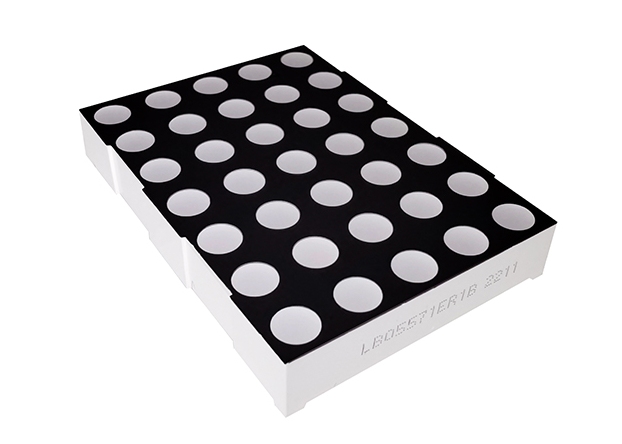
They’re cheap, tough, and you can get them in screaming bright red, pure green, ice white, or whatever color the marketing guy wants this week.
Bridging the Gap: Mini LED and Micro LED Concepts
TV makers wanted deeper blacks than a regular edge-lit LCD could give, so they started shrinking the backlight LEDs. That’s where the new names come from.
Mini LED: Enhanced Backlighting
A Mini LED chip is roughly 100–200 µm—small, but still big enough that you can handle thousands of them on a normal PCB. Instead of a few dozen big LED around the edge or a couple hundred spread across the back, a Mini LED TV might have two thousand or more tiny ones arranged in a grid. Each little group can turn on or off by itself. Turn off the LED behind a night sky, and the blacks actually look black instead of gray. Turn them all the way up, and you hit 1,500 nits or higher without washing out the picture. Power draw drops too because you’re not wasting light on parts of the screen that are supposed to be dark.
Micro LED: True Self-Emissive Pixels
Now shrink the chip down to 50 µm or less—often 5–10 µm—and you get Micro LED. At that size, each red, green, and blue chip becomes one sub-pixel. There’s no LCD layer in front and no backlight behind. Every pixel makes its own light and can switch off completely. Blacks are truly black, brightness can push past 4,000 nits in sunlight, and because the chips are inorganic, they don’t burn in like OLED can after a few years of static logos. The problem? Nobody has figured out how to stick millions of these microscopic chips onto a big panel without a crazy defect rate. That’s why you only see Micro LED in super-expensive prototypes or tiny watch-size screens so far.
Comparative Application and Manufacturing
| Feature | Traditional LED Display (e.g., 7-Segment) | Mini LED | Micro LED |
| Diode Size | Hundreds of micrometers | 100 to 200 micrometers | Under 50 micrometers |
| Primary Role | Direct light source/segment; Backlight | Backlight for LCD panels | Self-emissive pixel |
| Manufacturing | Established, robust, highly automated | Moderate complexity (high zone count) | Extremely complex (mass transfer challenges) |
| Common Uses | Numerical readouts, instruments, industrial control, home appliances | High-end TVs, monitors, automotive displays | Future displays (wearables, large format, AR/VR) |
Mini LED is what you buy today if you want a TV that looks almost as good as OLED but costs less and gets brighter. Micro LED is the dream everyone talks about at trade shows. Traditional LED? They’re still the workhorse for anything that just needs to show “88:88” or “Err” in a washing machine that will sit in a humid laundry room for ten years.
Tailoring Display Solutions: The Power of Customized Design
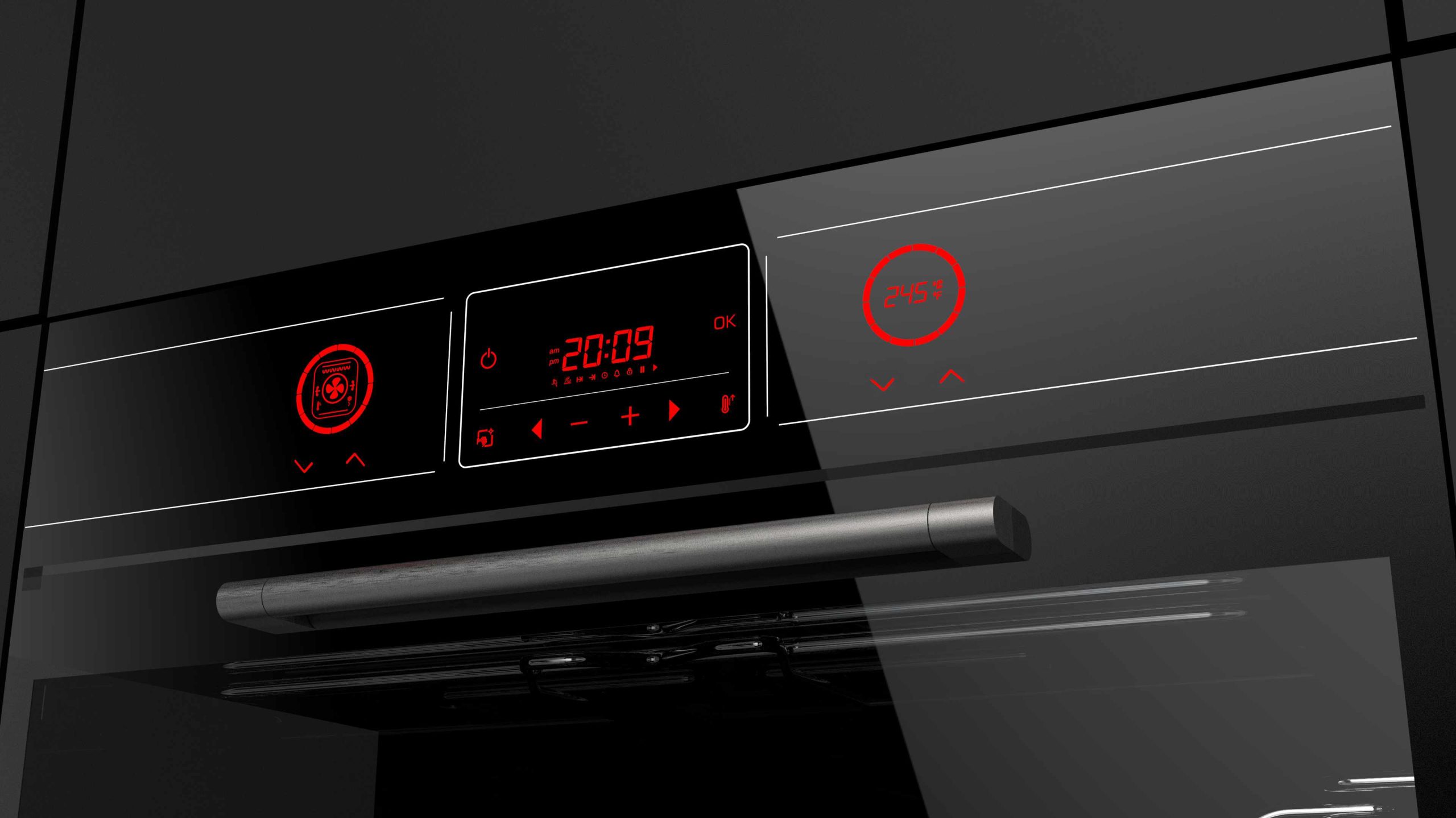
Even with all the fancy TV tech, most products shipped this year still use plain old seven-segment or dot-matrix parts. A microwave oven doesn’t need a million dimming zones; it needs three big digits you can read from across the room, in clear red so it matches the clean appliance styling, and it has to survive frequent door slams and daily heating cycles.
Customized Offerings for Specific Demands
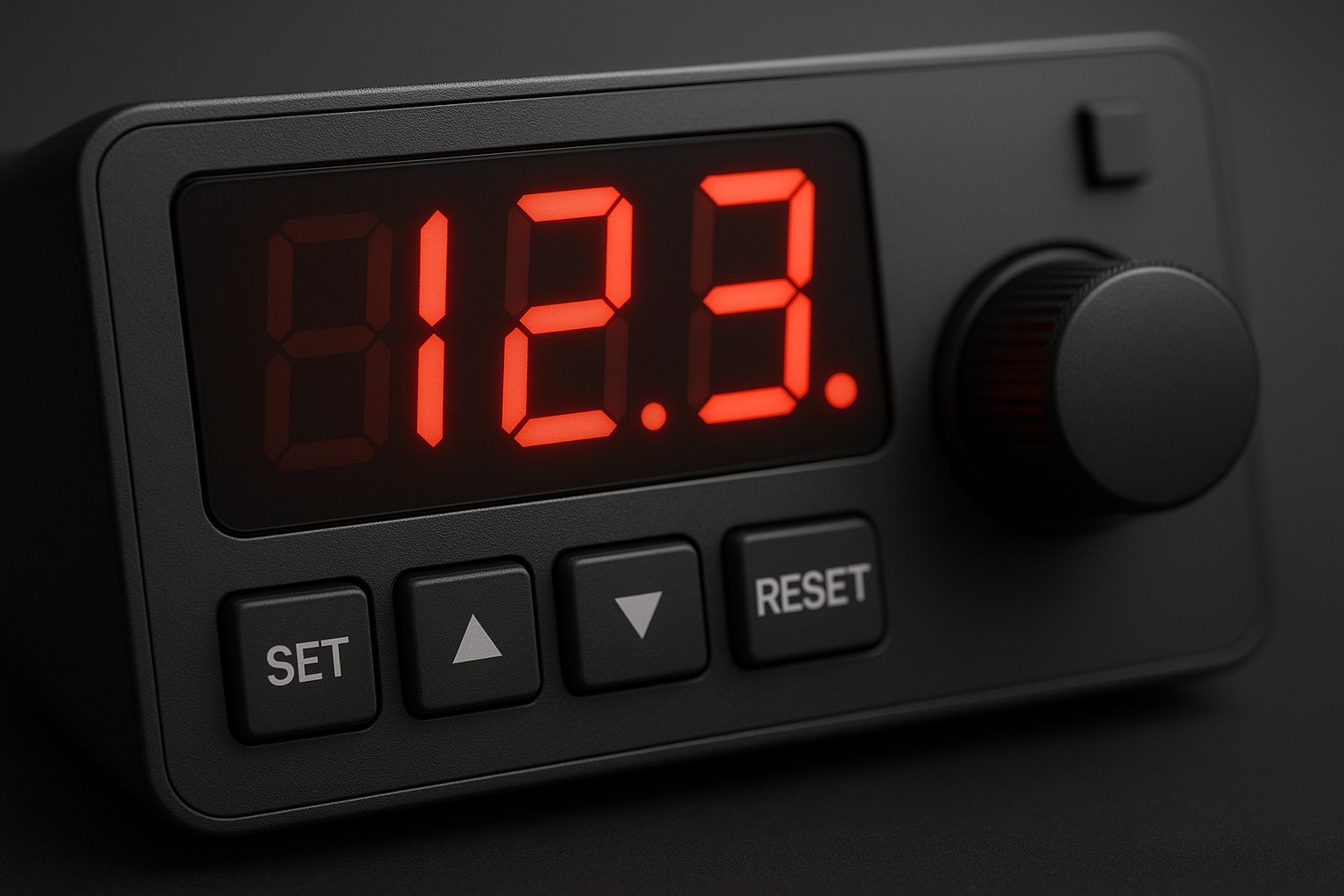
That’s where companies like LIGHTBO earn their keep. The marketing team says, “We want pure green this year because the competition uses blue,” and two weeks later, samples show up in exactly that shade. Need the digits taller so Grandma can read the oven temperature without her glasses? Done. Want the whole four-digit clock module to run off 3.3 V instead of 5 V because the new chipset is low-voltage? They’ll redesign the driver board in-house and send you a new Gerber file.
LIGHTBO: Expertise in Reliable Display Manufacturing
Operational Excellence and Quality Commitment
LIGHTBO opened its doors in 2006 and never looked back. We make the parts that actually ship in volume: 7 Segment LED Display, Dot Matrix LED Display, clock modules, bar-graph arrays, you name it. Walk through their plant, and you’ll see rows of Yamaha pick-and-place machines spitting out finished display boards at a few thousand pieces an hour.
The main product families haven’t changed much because customers keep buying them:
-
Every size of 7-segment from single digit to six
-
Dot-matrix in 5×7, 5×8, 8×8, and 16×16
-
Custom multifunction modules with built-in drivers
-
Backlight LED for small LCD
What keeps big European and American brands coming back is the boring stuff done right: every reel gets burned in at 85 °C for 168 hours, every batch has a full luminous intensity report, and the failure rate in the field stays under 50 ppm. We have the certificates to prove it—RoHS, Trust Seal, the works.
When a new rice-cooker model is scheduled to start production in three months, the buyer doesn’t want surprises. LIGHTBO’s in-house tool room can cut a new mold for a weird-shaped housing in ten days, and the engineering team will already have brightness-matched samples waiting.
Conclusion: Matching Technology to Task
Mini LED already gives you amazing TVs you can actually buy. Micro LED will probably take over the world someday—but that day is still years away for anything bigger than a smartwatch. In the meantime, billions of washing machines, multimeters, and electric meters will keep shipping with good old seven-segment and dot-matrix displays because they just work. They’re bright, cheap, last forever, and you can get them in whatever color the designer drew on the napkin last week.
Companies like LIGHTBO make sure those humble parts keep looking good and costing little, year after year. That’s why, no matter how fancy the next TV in the showroom gets, the timer on your microwave will still be a classic red seven-segment for a very long time.
FAQ
Q: Where are LIGHTBO’s main display products used?
A: Our displays are widely utilized in household appliances, instruments, and the new energy industry.
Q: What is LIGHTBO’s stance on customized design?
A: LIGHTBO commits to providing technologically advantageous customized products and relies on its technical team to help customers optimize solutions and reduce costs.
Q: What certifications ensure the quality of LIGHTBO’s products?
A: The company maintains a strict quality control system and has received certifications, including Trust Seal and RoSH.
Q: What types of Dot Matrix LED Displays does LIGHTBO offer?
A: We offer various Dot Matrix configurations, including 5*7, 5*8, 8*8, and 16*16 displays.


