
How 7-Segment and 16-Segment Displays Work: A Deep Dive into Their Internal Design
Time : Feb 05, 2026 View : 291
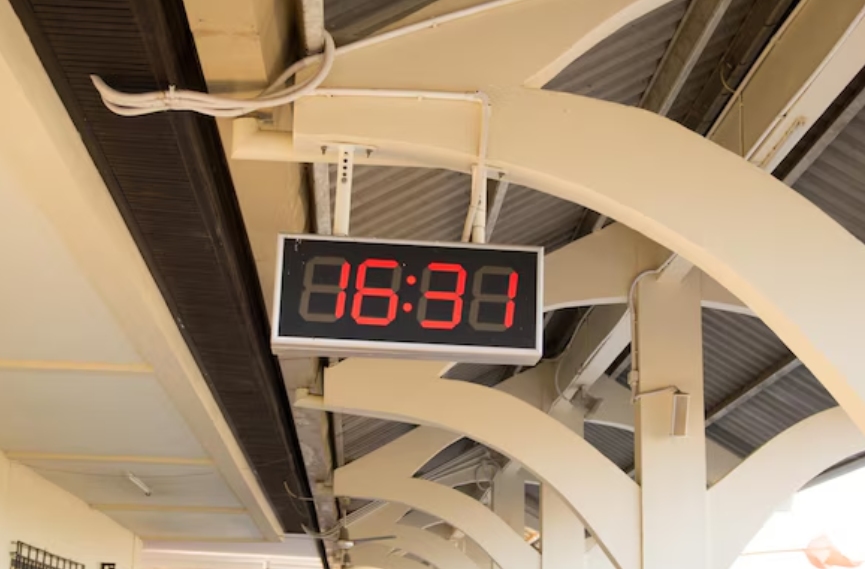
Even with today’s sharp touchscreens all around us, many would guess that simple LED segment displays have lost their place. Still, when it comes to factory accuracy, home steadiness, and straightforward number views, these older-style displays hold strong. Think of the timer on a kitchen microwave or the fuel level on a car dashboard. They deliver bright readings and draw very little power, often doing better than LCD units in hard conditions.
Since 2006, LIGHTBO has stayed ahead in this field. The company has worked hard to improve the inner structure and build methods that power these key parts.
The Fundamentals of Segmented Design
Light-emitting diodes (LEDs) form the core of any segment display. Dot-matrix screens build images from many small dots in a grid. Segment displays, however, shape digits and letters from set bar pieces of light material. Lighting different groups of these bars produces clear numbers, letters, or marks.
Understanding the Logic: From Simple Numbers to Complex Characters
The main gap between 7-segment and 16-segment units shows in the amount of detail each can handle. A 7-segment type suits numbers best. It uses seven bar pieces placed like a figure eight. A 16-segment kind, known as “starburst” or “Union Jack” in some circles, brings in slanted bars and divided cross pieces. This added layout makes room for all letters plus many extra signs. Such features prove vital for gauge boards and electronic readouts.
Light-Emitting Diodes (LEDs) as the Building Blocks
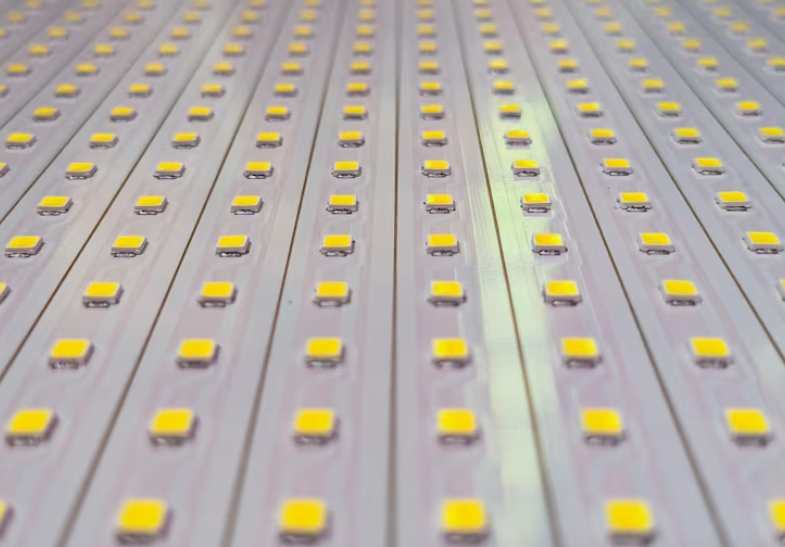
In every LIGHTBO display, a single LED chip or several chips sit inside each bar, sealed in plastic. The inner setup spreads light smoothly over the whole bar. Bright patches do not appear where one spot outshines the rest. This steady light points to solid making skills. Modern auto tools and firm step checks help reach this level.
Decoding the 7-Segment Display: Efficiency in Simplicity
The 7-segment style carries much of the daily load in devices. Its inner wiring stands as a fine example of smart electronics. Switching happens quickly, and power use stays low.
Internal Configuration: Common Anode vs. Common Cathode
Shared pins cut wiring needs. In a Common Anode arrangement, all positive ends join to the supply line. A bar lights when its negative end drops to ground. LIGHTBO supplies both styles to fit various control chips and small processors.
LIGHTBO’s 7-Segment Innovations: SMD and Multi-Digit Solutions
Current gadgets call for tiny parts. LIGHTBO handles this through its SMD LED Display range, including the 0.56-inch ultra-bright white 2-digit 7-segment SMD display. These surface-mount pieces match the strong light of old pin styles. Yet they suit robot board assembly on slim circuits. Smart ovens and fridges gain from them. For longer numbers, LIGHTBO makes units from one up to six digits. The view stays even across the full face.
The 16-Segment Alphanumeric Display: A Deep Dive into Versatility
Projects needing words or labels—think “ERROR,” “WAIT,” or measure units—turn to 16-segment types for better results.
Starburst Patterns and Character Representation
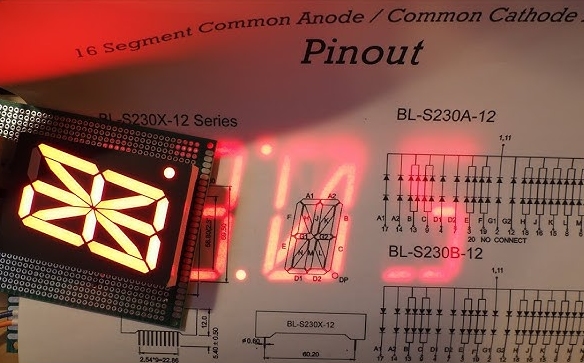
The 16-segment setup starts with the usual outer bars of a 7-segment. It then adds four slant pieces, two uprights down the middle, and split cross bars. These touches create gentler curves and sharper points. Letters like “M,” “W,” “X,” and “Z” appear sharp and readable. Basic 7-segment kinds struggle to show them well.
Internal Circuitry: Managing 16 Independent Segments
Running 16 bars demands exact inner paths. LIGHTBO’s 16-segment pieces, take the 0.8-inch alphanumeric version for instance, deliver steady output. Each LED runs on low voltage, often 1.8V to 2.3V. Heat stays down even when left on long. This control plays a big role in long part life.
Technical Spotlight: The LIGHTBO 0.8-Inch Alphanumeric Series
The leading 16-segment single-digit model offers a letter height of 20.32mm (0.8 inches). It fits in a tight case measuring 27.7 x 20 x 8.5mm. Super bright amber with waves from 585-595nm gives 60-70mcd per LED. This strong light lets users read easily under bright room conditions. Car dashboards and factory test gear often choose it for that reason.
Engineering for Reliability: Performance and Material Science
Reliability decides how useful a display proves over time. LIGHTBO draws on its skilled design staff and up-to-date shop equipment to hit strict marks.
Voltage Management and Luminous Intensity Control
Factory work needs steady results day after day. LIGHTBO units perform well at 12-15mA current. This level balances clear sight with low power draw. Top-grade LED chips hold true color and steady light for many years. Fewer costly fixes in the field follow from this.
Durability Standards: RoHS Compliance and ISO Certification
Quality means more than words at LIGHTBO. The company gained ISO 9001 certification in 2015. All items meet RoHS rules, staying clear of harmful substances. They work safely in home goods and medical tools around the world. An in-house test area and firm checks test every run fully before it ships.
Real-World Applications: Where Precision Meets Display
LIGHTBO displays serve wide needs, from simple home tasks to serious factory oversight.
Industrial and Automotive Instrumentation
Factories use them in power changers, heat controls, moisture readers, and time counters. Steady action matters in places where stops cost a lot. Cars feature LIGHTBO parts in fuel shows and parking aids. Drivers count on fast, clear info for safe moves.
Smart Home Appliances and Consumer Electronics
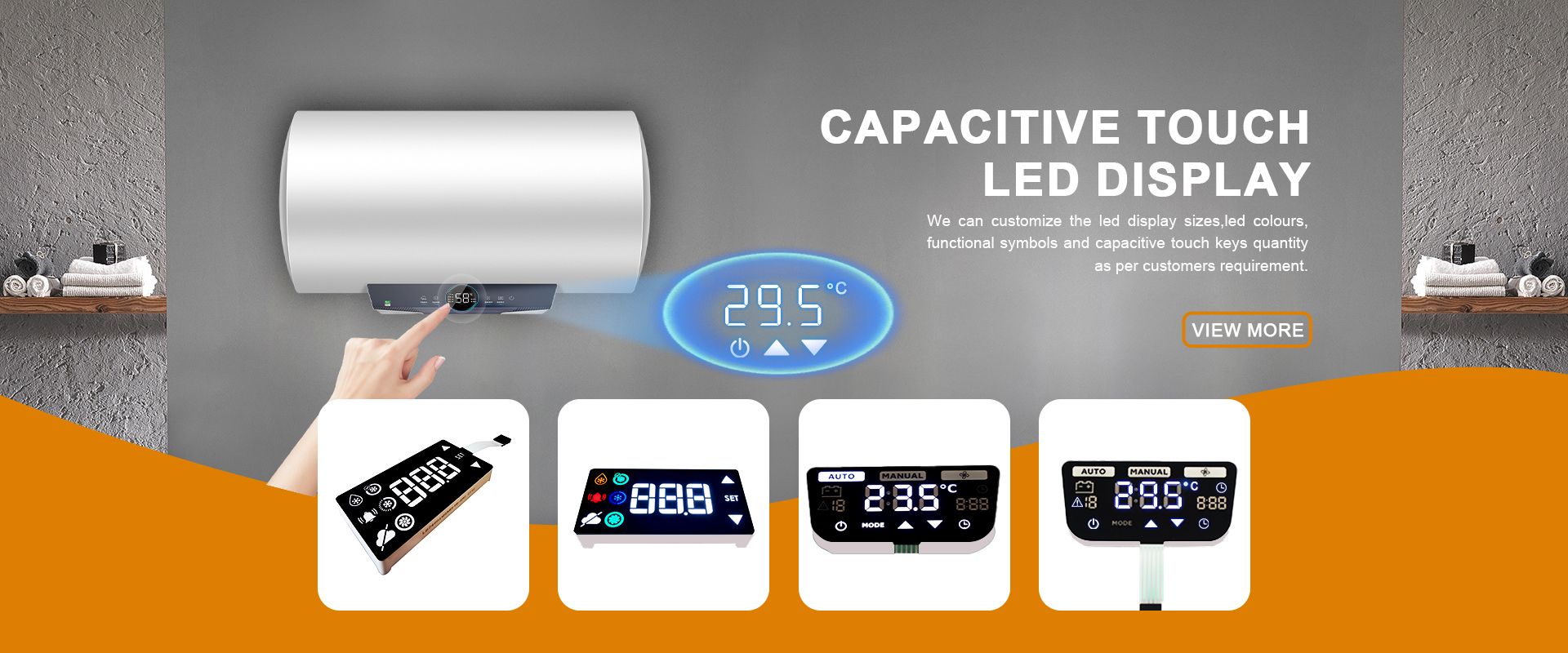
LIGHTBO keeps a firm spot in kitchen gear and heat management. Ultra-bright white custom pieces appear in better ovens. Multi-color units show up in backup power and vape items. Water heaters, cook plates, and microwaves all benefit from the sharp views people rely on.
Conclusion
A close look at 7-segment and 16-segment inner workings highlights the careful blend of wiring know-how and material picks needed for strong visual tools. At LIGHTBO, long-term building experience meets ongoing new ideas. Custom shades (red, blue, green, amber, orange, white) and fits cover any project. Choosing LIGHTBO brings more than a part. It links you with a field leader aimed at top work and shared wins.
FAQ
Q: What is the main advantage of a 16-segment display over a 7-segment display?
A: A 16-segment display can represent the full alphabet and special symbols clearly, whereas a 7-segment display is primarily designed for numbers and a few limited characters.
Q: Can LIGHTBO provide customized colors and sizes for these displays?
A: Yes, LIGHTBO accepts OEM/ODM orders and offers a wide range of emitting colors, including red, blue, green, amber, orange, and white, along with customized dimensions.
Q: Are LIGHTBO displays suitable for outdoor or high-brightness environments?
A: Our displays offer high luminous intensity (e.g., 60-70mcd for amber) and provide excellent reliability and readability even in bright ambient light conditions.
Q: What quality certifications do LIGHTBO products hold?
A: LIGHTBO products are RoHS directive-compliant, and our factory has been ISO 9001 certified since 2015, ensuring strict quality control and reliability.


