
Discover the Key Components of an SMD LED Display
Time : Jan 22, 2026 View : 259
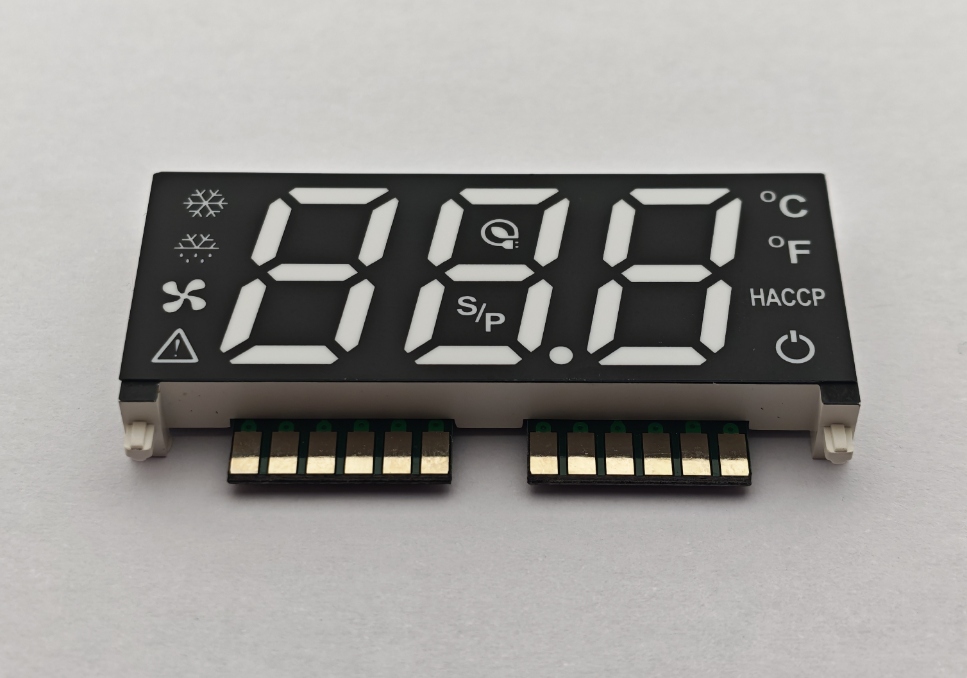
In the rapidly evolving landscape of electronic interfaces, the Surface Mount Device (SMD) LED display has emerged as the gold standard for clarity, efficiency, and space-saving design. Whether it is the sleek interface of a modern kitchen oven or the complex diagnostic panel of an industrial UPS system, SMD technology provides the visual bridge between machine and user. Since 2006, LIGHTBO has been at the forefront of this evolution, specializing in the R&D and manufacturing of high-quality LED display devices. By understanding the intricate components that comprise these displays, engineers and product designers can better appreciate the reliability and performance that LIGHTBO brings to the global market.
Understanding the SMD Architecture
The fundamental difference between traditional LED displays and SMD versions lies in how the components are mounted. While older Dual In-line Package (DIP) LEDs use long leads that pass through a circuit board, SMD components are soldered directly onto the surface of the Printed Circuit Board (PCB).
The Shift from DIP to SMD Technology
The industry shift toward SMD is driven by the demand for miniaturization and higher resolution. SMD LEDs allow for a much tighter pitch between pixels, which is essential for detailed alphanumeric displays and high-density dot matrices. LIGHTBO has embraced this transition by developing ultra-thin custom 7-segment displays specifically for compact devices like e-cigarettes, where space is at a premium.
Core Structural Layers of an SMD LED Display
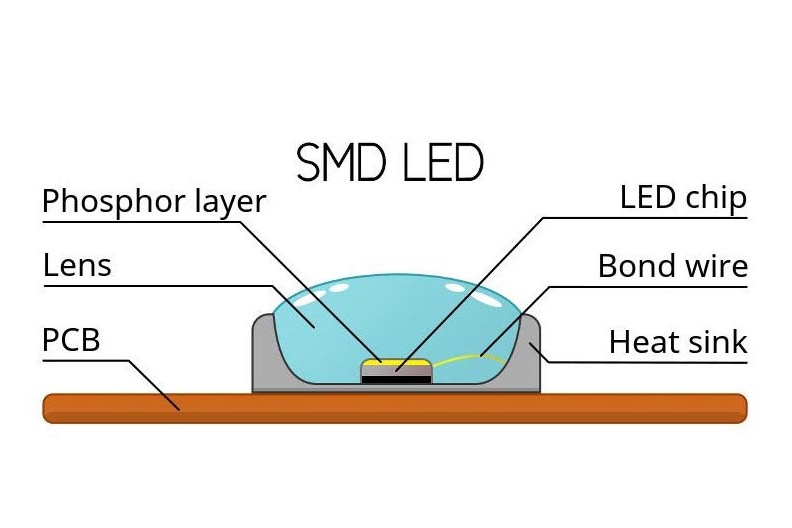
A standard SMD LED display is not a single piece of hardware but a sophisticated assembly of layers. These typically include the LED die (chip), the lead frame or substrate, the bonding wire, and the encapsulation material. Because the components are mounted on the surface, the overall profile is significantly reduced, allowing LIGHTBO to produce “Ultra Thin” displays that maintain high brightness without the bulk of traditional displays.
The Anatomy of Key Components
Every component within an SMD display must function in perfect harmony to ensure uniform brightness and color consistency. At LIGHTBO, we focus on the synergy between these parts to deliver “Ultra Bright White” and “Multicolor” solutions.
The LED Chip: The Heart of Illumination
The chip is the semiconductor that produces light when an electrical current passes through it. The quality of this chip determines the display’s lifespan and luminosity. LIGHTBO utilizes high-performance chips across its product range, including multicolor 10-segment LED bars and customized white, pure green, or blue 7-segment displays. This variety allows for precise application matching, whether for a refrigerator display or a high-intensity industrial instrument.
Substrate and PCB Integration
The PCB serves as the structural foundation and the electrical highway of the display. In SMD technology, the PCB design is critical for heat dissipation. LIGHTBO displays, such as our 2-digit 0.56-inch SMD versions, utilize advanced PCB layouts that allow for stable performance even in demanding environments. Furthermore, our “LED DISPLAY With IC” modules integrate control programs directly into the assembly, simplifying the interface for the end-user and reducing the need for external circuitry.
Encapsulation and Optical Reflectors
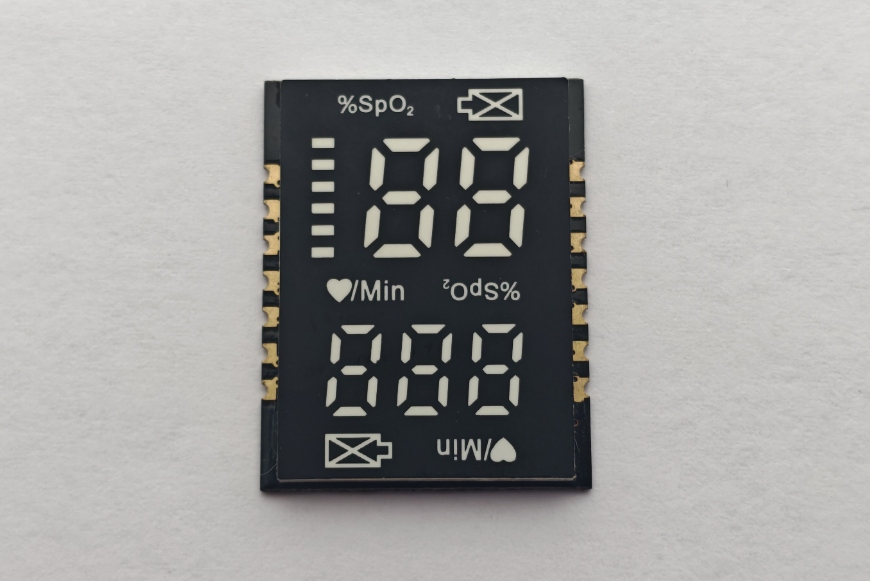
To protect the delicate LED chip and enhance light output, encapsulation and reflectors are used. The reflector directs the light forward, ensuring that segments in a 7-segment or alphanumeric display are clearly defined and sharp. This is particularly vital in LIGHTBO’s “Arrow LED DISPLAY” and “Dot Matrix” products, where visual clarity from various angles is a requirement for user safety and data accuracy.
LIGHTBO’s Specialized Display Solutions
The true strength of a manufacturer lies in how these components are adapted for real-world use. LIGHTBO offers a comprehensive catalog that ranges from standard components to fully customized modules.
Precision in 7-Segment and Alphanumeric Designs
7-segment displays remain the backbone of numeric data representation. LIGHTBO provides these in configurations ranging from single-digit to six-digit units. For more complex data, our 14-segment and 16-segment alphanumeric displays allow for the clear rendering of the full alphabet, making them ideal for high-end instruments and appliances.
High-Density Dot Matrix and Light Bar Arrays
When graphical information or scrolling text is required, dot matrix displays are the preferred choice. LIGHTBO manufactures various configurations, including 5×7, 5×8, and 16×16 matrices. Additionally, our multicolor 10-segment LED light bars provide an intuitive way to display levels or progress bars in audio equipment and power fields.
Customized Modules for Diverse Industries
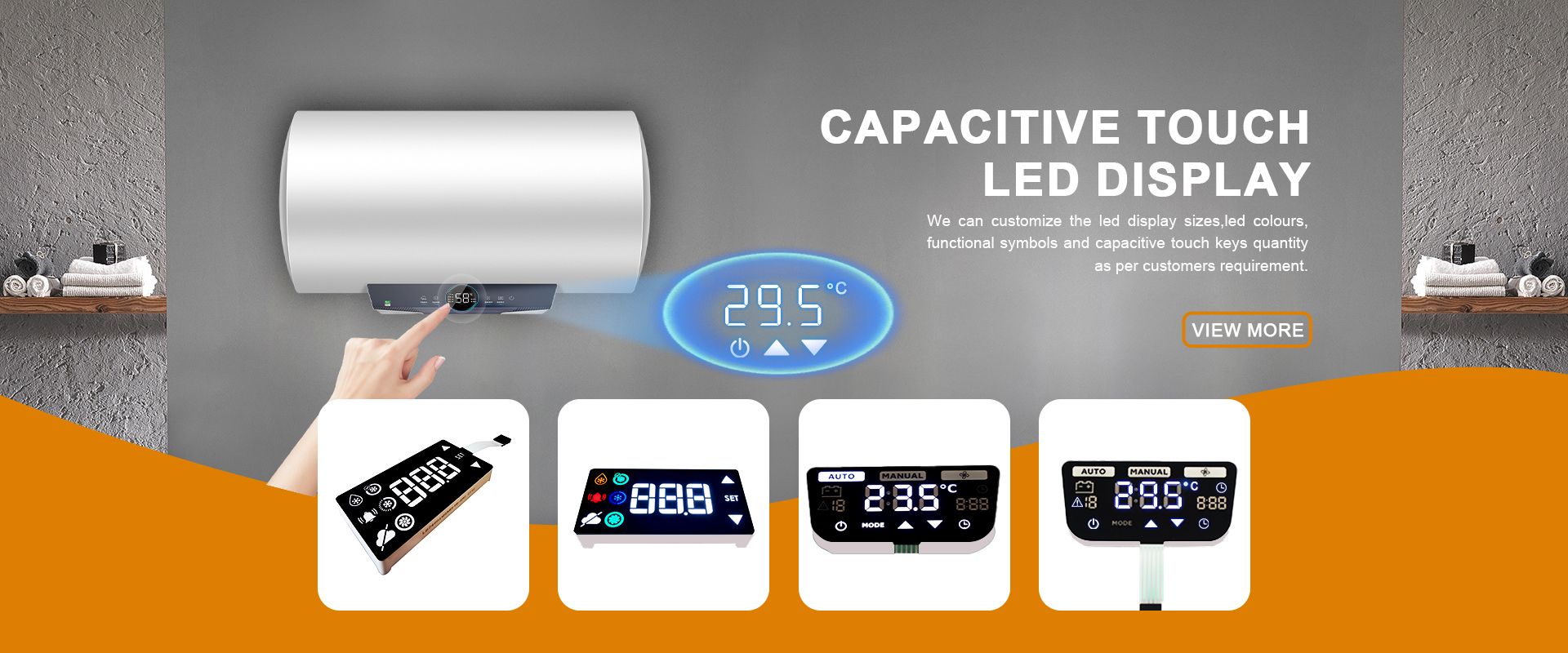
Beyond standard parts, LIGHTBO excels in “Custom LED Display” solutions. We have reached strategic cooperation with well-known enterprises to develop application-specific displays, such as those for refrigerators, ovens, UPS systems, and even electric scooters. Our ability to incorporate capacitive touch and self-developed control programs into these modules ensures that our clients stay ahead of the technological curve.
The LIGHTBO Advantage: Quality and Innovation
Quality is not merely a goal at LIGHTBO; it is the foundation of our manufacturing process. Our company relies on the philosophy of “Pursuing Excellence, Building Success Together.
Advanced Manufacturing and Testing Standards
To ensure every component meets the highest standards, LIGHTBO introduced automated production and reliability testing equipment in 2016. Our facility holds ISO 9001 quality management system certification, and our products carry the Trust Seal, Credit Check, and RoSH assessments. With a professional internal design team and an advanced machinery workshop, we provide a strictly controlled process from R&D to final manufacturing.
Conclusion
The components of an SMD LED display—from the semiconductor chip to the integrated ICs—determine the ultimate success of the user interface. By choosing LIGHTBO, you are partnering with a manufacturer that prioritizes technological innovation, product quality, and excellent service. Our extensive experience in the kitchen appliance, temperature control, and new energy industries ensures that we can help you optimize solutions, reduce costs, and enhance your market competitiveness.
FAQ
Q: What is the main benefit of using SMD LED displays over DIP types?
A: SMD displays offer a much thinner profile, higher pixel density, and better automated assembly compatibility, which is ideal for modern, compact electronics.
Q: Can LIGHTBO provide customized colors and digit counts?
A: Yes, we offer multicolor customization and a wide range of digits, from single to six-digit configurations, tailored to specific application needs like ovens or UPS systems.
Q: Are LIGHTBO products certified for international quality standards?
A: Our company is ISO 9001 certified, and our products pass RoSH and supplier capability assessments to ensure global compliance and reliability.
Q: In which industries are LIGHTBO displays most commonly used?
A: Our displays are widely utilized in home appliances, medical instruments, new energy sectors, and industrial power fields.


