
Achieve Zero-Failure: 10-Year Durable LED Display Solutions
Time : Mar 20, 2026 View : 306
In the field of industrial design and consumer electronics, an LED display often serves as the key connection between a device and its operator. If a display breaks down, folks view the entire item as useless, no matter how well the inner parts function. For makers across the globe, the target reaches past simple illumination. It centers on maintaining light for a full ten years.
At LIGHTBO, we think that lasting power comes from smart design, not chance. LIGHTBO has spent close to twenty years refining the “Zero Failure Strategy” with tough reliability checks that started in 2016.
The Science of Survival: Understanding Environmental Stress Screening (ESS)
Reliability testing copies years of wear from surroundings in mere weeks. Without such steps, displays commonly deal with “light decay.” Here, brightness cuts in half within six months.
The Thermal Endurance Test: Combating Heat-Induced Decay
Hot conditions stand as the chief foe to LED staying power. Skilled testing places are displayed in custom rooms. There, they face heat above 60°C for thousands of hours.
-
The Problem: Too much warmth weakens sealing layers and quickens chip wear, which brings color shifts and broken links.
-
The LIGHTBO Solution: Our display checks confirm that red, green, and blue elements hold steady light even with heavy heat stress. This blocks the “yellowing” typical in low-end displays.
Climate Cycling: Ensuring Stability in High-Humidity Environments
Damp air may spark short circuits inside and cause rust. Engineers find tiny seal issues before big runs by exposing displays to shifts between intense heat and thick moisture. Such work keeps the item at IP65 protection in wet shore or jungle areas.
Specialized Testing for Component Longevity and Performance
Aside from outside factors, the electric and physical firmness of an LED tube shapes its endurance in factory setups.
Voltage Surge and Electrostatic Discharge (ESD) Protection
In setups like city transit or plant power lines, steady current is uncommon.
-
Testing Method: Displays take strong voltage hits to match power spikes and static charges.
-
Impact: This guards the integrated circuits (ICs) against burnout from engine starts or fast line shifts. That protection plays a big role in hitting the 10-year operation mark.
Mechanical Integrity: Vibration and Impact Testing
For displays in rolling trucks or large machines, ongoing shakes present a steady test. Shake trials copy the jolts of a bus or shop floor. We check that lead frames and solder spots stay solid, which stops “dead lamps” from parts pulling apart.
LIGHTBO’s Precision Engineering: Displays Built for Real-World Challenges
LIGHTBO brings these testing lessons straight into our product designs. We go beyond making goods. We craft fixes that strengthen our clients’ market edge.
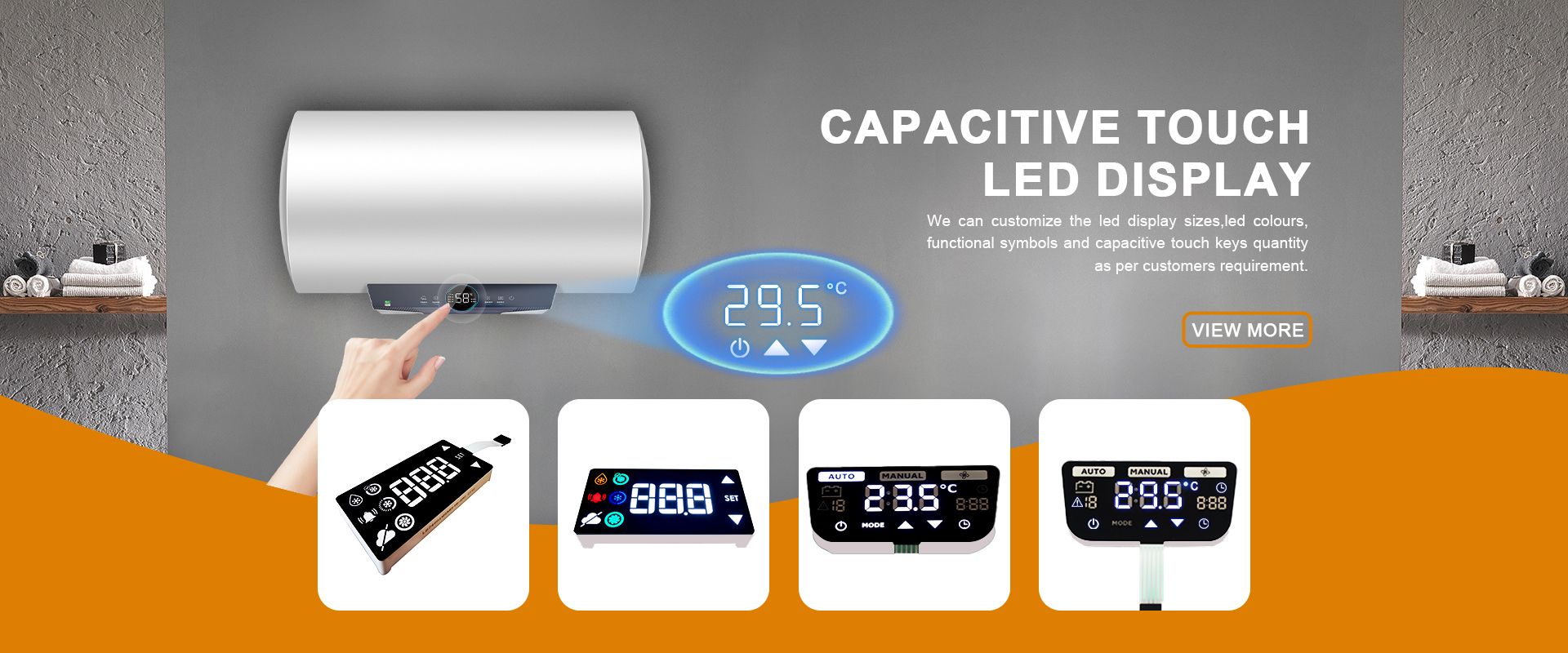
7-Segment LED Displays: Heat-Resistant Solutions for Home Appliances
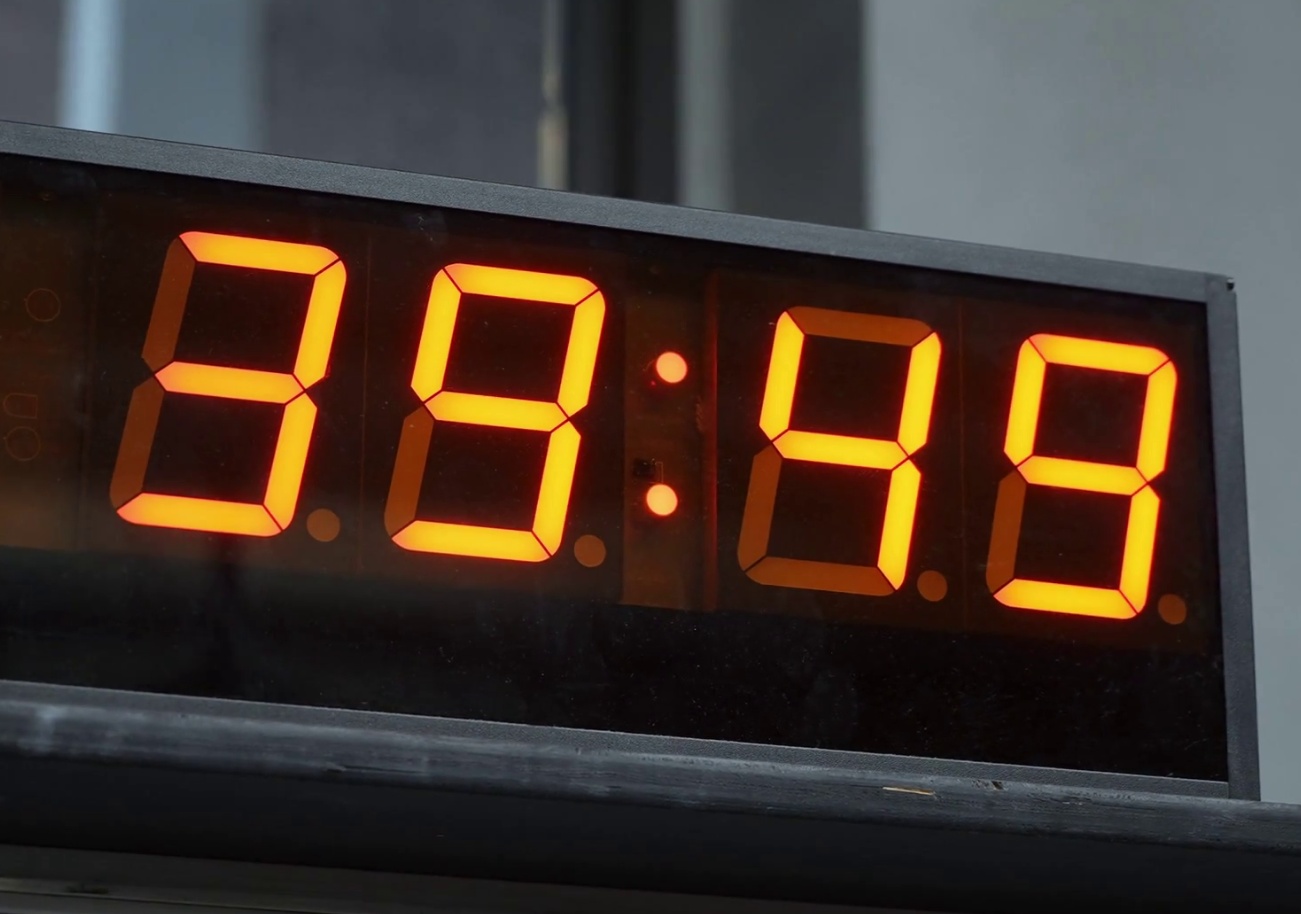
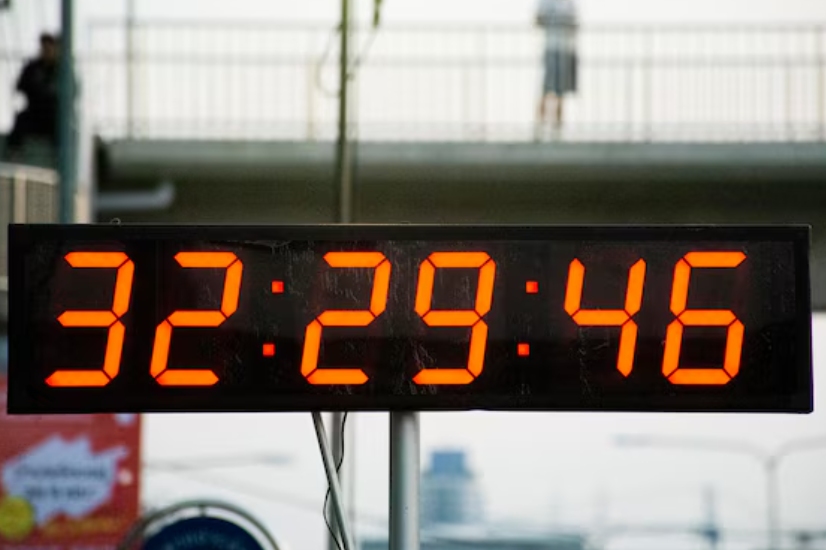
Our made-to-order 7-segment displays, with super-bright white choices for ovens and 3-digit setups for fridges, are designed for harsh home conditions.
-
Key Advantage: With imported glowing materials and silent high-power supplies, these displays deliver 100,000 hours of reliable performance.
-
Problem Solved: They cut out the blinking and fading from warmth inside smart cooking tools.
Alphanumeric and Dot Matrix Displays: High-Visibility in Industrial Scenarios
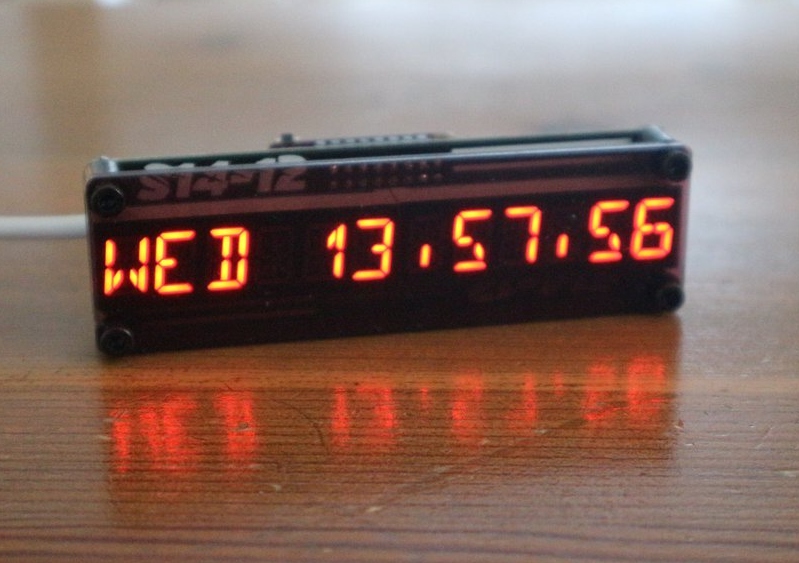
For tricky data, our 14-segment and 16-segment letter displays options offer sharp details.
-
Feature: Quick refresh speeds (≥1920Hz) keep the display smooth without flickers. It remains simple to see for workers and plant cameras.
-
Advantage: Our unit-based setup supports fast building and basic upkeep, which trims idle time for shop crews.
Application Case Studies: Solving Critical Problems with LIGHTBO Reliability
To step past basic ideas, let’s examine spots where LIGHTBO items tackle tough issues each day.
Smart Ovens and Kitchen Temperature Control
In a premium smart oven, the LED display sits near the heat unit. Basic displays tend to quit in two years from heat growth.
-
Specific Usage: LIGHTBO supplies custom 0.56-inch SMD LED displays with special PC fiberglass faceplates.
-
Result: The fire-proof and UV-safe materials stop the screen from twisting. So, timer and heat numbers stay sharp through more than ten years of everyday use.
New Energy Charging Stations and UPS Systems
Outdoor EV chargers handle straight sun and strong voltage spots.
-
Specific Usage: We set up multi-color custom 7-segment displays for UPS and new energy charging piles.
-
Result: With high-contrast light patterns and broad-range IC chips (-40°C to 80°C), LIGHTBO displays keep clear in midday shine. They also hold up against power jumps typical in car charging.
Conclusion: Investing in Zero-Failure Performance
Ten years of solid output is no ad line. It flows from a firm quality system and a capable test space. When you pick a builder that stresses reliability checks, you lower repair bills and shield your brand image. At LIGHTBO, we do more than sell pieces. We form the sight center of your achievements.
Ready to upgrade your display reliability?
Join forces with LIGHTBO for top-notch, forward-tech custom goods that head the sector.
Contact us today:
-
WhatsApp/WeChat: +86 18320538436 (Jack) / +86 15986806101 (Jayson)
-
Email: lightbo2@lightbo.cn / lightbo@lightbo.cn
FAQs
Q: Why do LED displays often dim or change color after only a few years?
A: This mostly stems from “light decay” tied to weak heat release and subpar sealing materials. Skilled high-heat testing spots these flaws, keeping the chip firm for up to 100,000 hours.
Q: Can 7-segment LED displays operate in extreme outdoor cold?
A: Yes, as long as they include plant-grade IC chips. Strong displays undergo tests to run at levels down to -40°C, which wards off launch troubles and fragile breaks in cold weather.
Q: What is the benefit of SMD vs. traditional DIP packaging for reliability?
A: SMD (Surface Mount) provides stronger heat spread and denser pixels for inside detail, while DIP (Dual In-line) fits rough outdoor spots thanks to its tough epoxy wrap and IP66 shield.
Q: How does high humidity affect the lifespan of an LED numeric tube?
A: Dampness can let water slip into the PCB, sparking rust and “dead pixels.” Testing in thick moisture (e.g., 90% RH) confirms that water guards and coatings hold up.


