
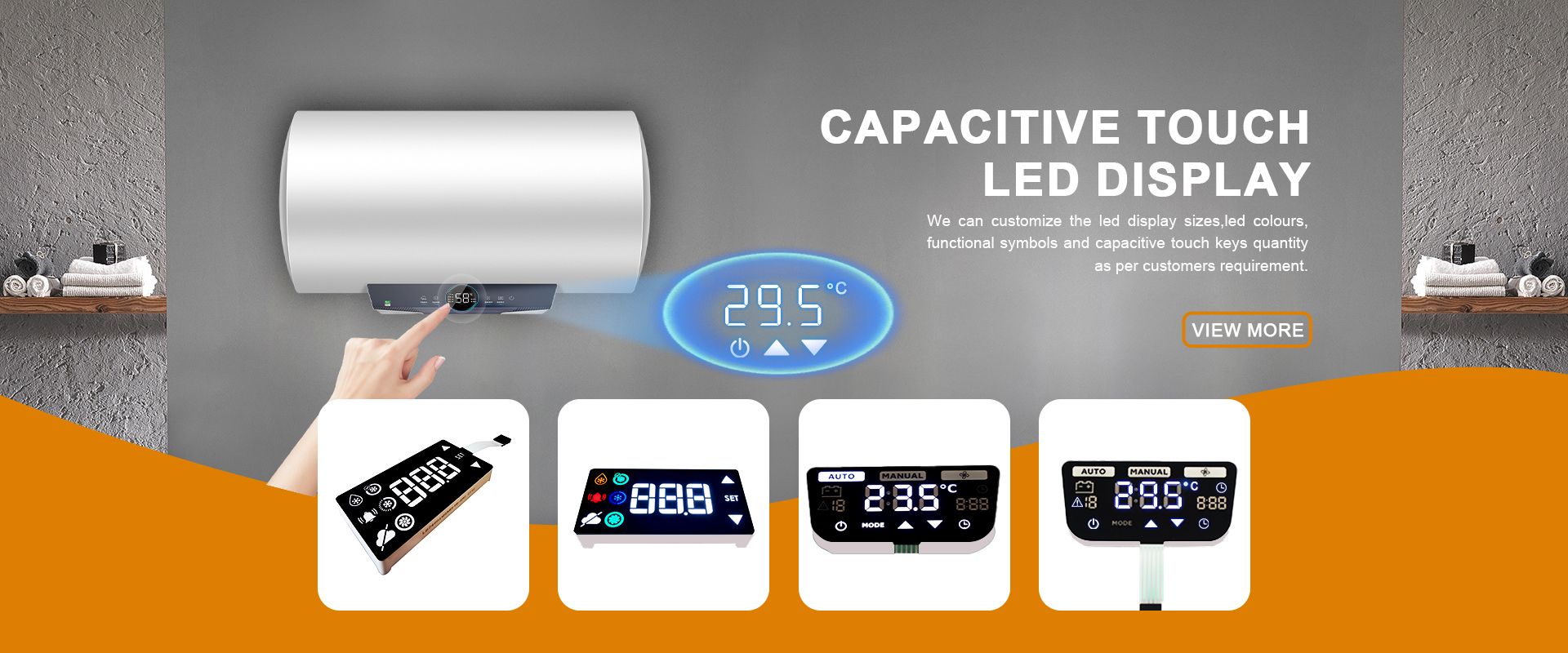
Custom LED Backlight Sourcing Guide: Specs, Materials & Use
Time : Aug 07, 2026 View : 209
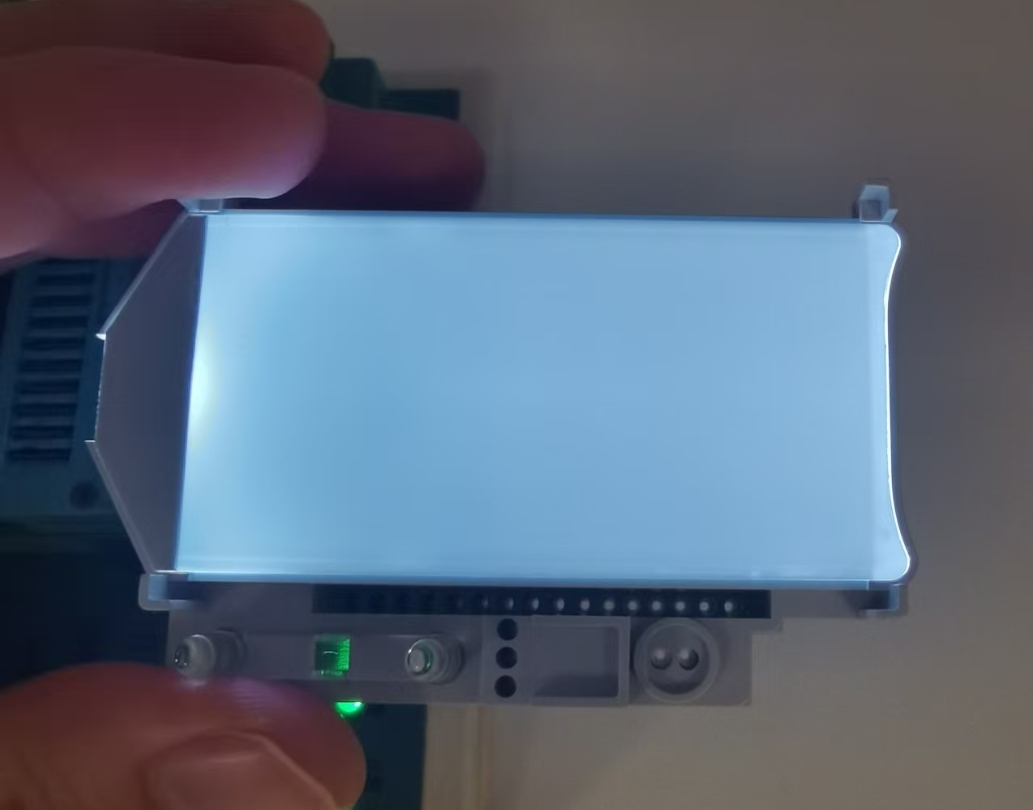
Choosing the right illumination component is critical to ensuring your end-user display remains legible, vibrant, and durable throughout its lifespan. As a dedicated LED display manufacturer and custom display module supplier, LIGHTBO helps engineers and procurement managers navigate every stage of custom LED backlight integration, transforming complex technical constraints into seamless, high-performance display systems.
Essential Material Choices for Custom LED Backlighting
Selecting appropriate optical materials dictates structural durability, thermal endurance, and overall LED backlight transparency over years of continuous operation.
Light Guide Plate (LGP) Polymer Selection
The optical core of any edge-lit LED backlight module depends on precise polymer choices tailored to environmental stressors.
- Optical-Grade PMMA (Acrylic): Delivers up to 92% light transmission efficiency, making it the premier choice for vibrant color retention and maximum light guide plate clarity.
- Polycarbonate (PC) Substrates: Formulated for ruggedized equipment, providing superior heat tolerance and impact resistance in demanding industrial display backlight setups.
- Laser-Etched Dot Patterning: Micro-machined surface treatments on the light guide plate ensure balanced light propagation across the entire active display area, preventing dark zones.
Diffuser and Reflector Film Integration
Complementary film stacks work alongside the core matrix to optimize overall optical output and eliminate unwanted hot spots in your LED backlight design.
- High-Efficiency Diffuser Sheets: Smooth out individual LED diode point sources into a uniform, soft plane of light across the LED backlight module.
- Specular Reflector Layers: Redirect downward scattered light back through the display surface, boosting overall system luminance by up to 30%.
- Prism Film Stacks: Focus scattered rays toward the primary viewing angle to maximize output brightness without increasing power draw.
Mastering Brightness and Electrical Specifications
Matching driver current and nit output to environmental conditions ensures long-term operational stability and crisp contrast in every custom LED backlight.
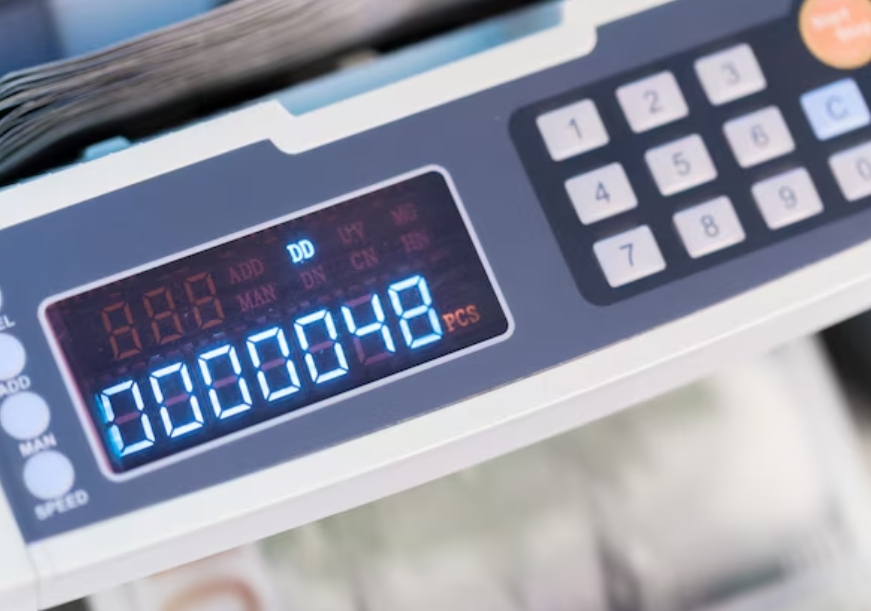
Nit Output and Ambient Readability Standards
Luminance parameters must directly match the intended physical environment of your end device.
- Indoor Appliances (200 – 500 nits): Delivers clean contrast and comfortable viewability for residential or office interfaces under standard ambient light.
- Industrial Control Panels (500 – 1,000 nits): Ensures high-visibility status readouts for any industrial display backlight in brightly lit factory environments or workshop floors.
- Outdoor & High-Ambient Systems (1,000+ nits): Operates as a high-brightness LED backlight solution capable of overcoming direct sunlight washing.
Thermal Management and Driving Currents
Proper electrical balancing and heat dispersion protect sensitive components from premature luminous decay in high-power LED backlight design.
- Optimized Forward Current Tuning: Prevents thermal runaway while maintaining consistent color temperature across the entire surface.
- Thermally Conductive Substrates: Aluminum core PCBs rapidly pull heat away from active LED dies to extend module operational life in any high-brightness LED backlight.
- Advanced Test Lab Verification: As a leading custom LED backlight manufacturer, LIGHTBO conducts rigorous environmental stress testing to ensure stable electrical operation under continuous loads.
Industrial Application Matching and Solutions
Applying custom LED backlight design choices directly addresses unique operational hazards across key industrial sectors.
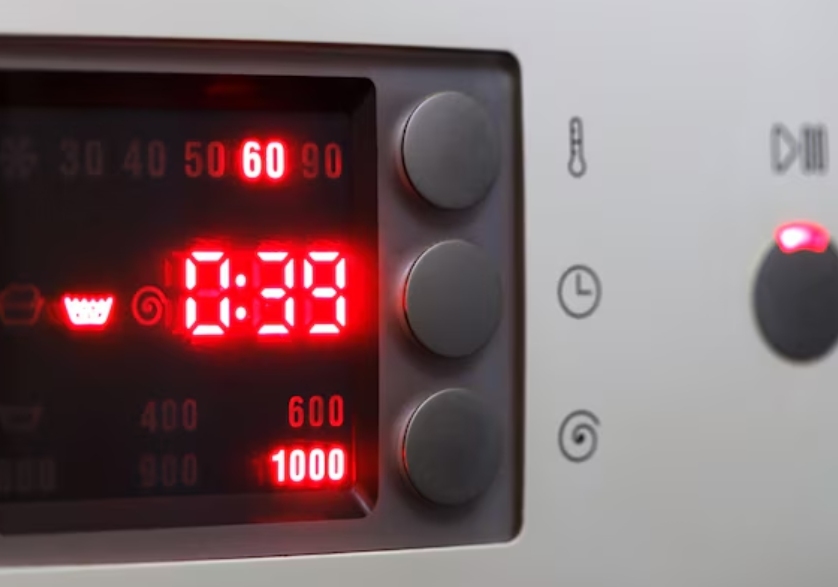
Home Appliance Control Interfaces
Modern consumer appliances require slick aesthetic integration combined with continuous moisture and thermal cycling resistance.
- Seamless Multi-Segment Integration: Designed to back digital indicators like a 7-SEGMENT LED DISPLAY or Alphanumeric LED Display with zero light bleed between active zones.
- Moisture-Resistant Encapsulation: Shields internal optical paths of the LED backlight module against steam, spills, and cleaning agents found in modern kitchens or laundries.
- Uniform Ambient Glow: Enhances user touch interfaces with smooth, high-contrast illumination that matches sleek glass top finishes.
Industrial Instrumentation and Power Equipment
Measuring instruments and electrical equipment require clear readouts that endure tough field conditions.
- Broad Temperature Operational Ranges: Functions reliably across extreme ambient swings without shifting color spectrums or dropping luminance.
- Vibration-Proof Mechanical Layouts: Rigid structural framing keeps internal optical layers of the industrial display backlight aligned despite persistent machine vibration.
- Hybrid Display Support: Drives edge illumination for high-density Dot Matrix LED DISPLAY systems, including 57 Dot Matrix LED DISPLAY and 88 Dot Matrix LED DISPLAY formats.
Engineering Partnerships: From Prototyping to Full Production
Working with an experienced custom display module supplier streamlines design cycles, reduces component defect rates, and speeds up time-to-market.
Precision OEM/ODM Design Support
Collaborating early on custom mechanics ensures perfect physical integration into specialized product housing.
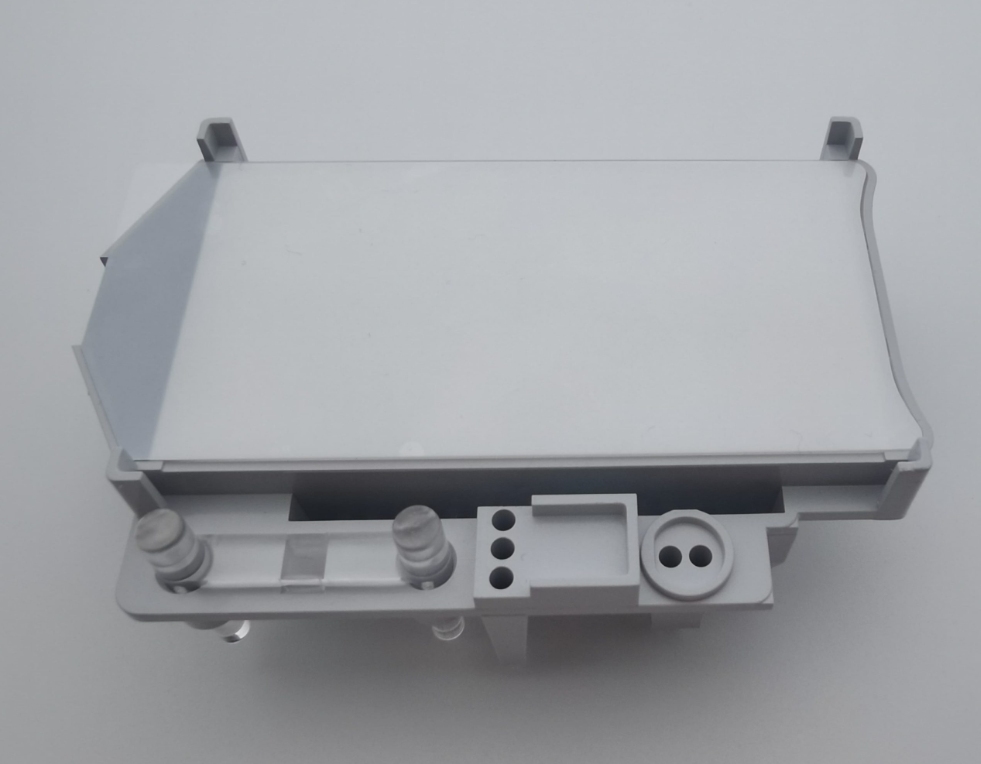
- Tailored Form Factors: LIGHTBO crafts customized light guide plate dimensions, cutouts, and ultra-thin profiles to fit tight enclosure constraints.
- Flexible Interconnect Options: Custom flexible printed circuits (FPC) and specialized pin headers facilitate direct board-to-board mating for any custom LED backlight.
- Rapid Prototype Iteration: In-house engineering teams quickly deliver physical samples to validate optical uniformity before mass tooling.
Rigorous Quality Control and Manufacturing Standards
Consistent manufacturing protocols ensure each batch delivers identical color temperature, flux, and power efficiency.
- Automated Assembly Line Precision: Minimizes human error, ensuring consistent component placement and solder joint integrity for every LED backlight module.
- RoHS & Quality Compliance: Fully compliant with international environmental and product safety standards as an established LED display manufacturer.
- Complete Optical Verification: Every custom LED backlight module undergoes comprehensive light dispersion and electrical parameter checks prior to packaging.
Ready to Upgrade Your Product Display?
Looking for a reliable LED backlight supplier or custom LED backlight manufacturer to support your next product release? The LIGHTBO engineering team offers complete OEM backlight solution support, from initial CAD design and LED backlight design optimization to automated volume production.
Contact LIGHTBO today to request a custom design evaluation and prototype quotation from a trusted LED display manufacturer and custom display module supplier!
FAQ
Q: How do engineers determine whether an edge-lit or bottom-lit backlight module is best for their product?
A: Edge-lit modules utilize a light guide plate to keep the assembly thin and power-efficient, making them ideal for modern compact devices. Bottom-lit modules offer higher maximum brightness and uniform light distribution over large surfaces, but require a deeper mechanical footprint.
Q: What customization options are available when designing an industrial LED backlight module?
A: Custom options include tailored physical dimensions, specific LED die wavelengths (custom colors), optimized light guide plate dot patterns, custom pinout or FPC connector placements, and integrated diffuser film stacks designed for specific viewing angles in your LED backlight design.
Q: Why is thermal management so important in high brightness LED backlight designs?
A: A high brightness LED backlight generates significant heat in localized areas. Without proper heat dissipation structures, elevated junction temperatures accelerate luminous decay, shift color output, and reduce overall operating lifespan.
Q: What is the typical lead time when working with an OEM backlight solution partner?
A: Initial technical drawings and optical simulation usually take a few working days. Once drawings are approved by your LED backlight supplier, physical prototype samples are typically delivered within 2 to 3 weeks, followed by streamlined mass production upon sample sign-off.


