
Kitchen LED Display Appliances: Design & Manufacturing Guide
Time : Jul 17, 2026 View : 355
The modern kitchen is no longer just a cooking space; it is an ecosystem of intelligent, sleek, and highly functional appliances. For original equipment manufacturers (OEMs), designing user interfaces that stand out on a crowded retail floor while enduring daily kitchen wear and tear is a critical challenge. A premium interface relies on its display component to bridge the gap between user intent and appliance performance.
As a premier global leader in customized optoelectronics, LIGHTBO has spent decades perfecting the art of custom LED display manufacturing. We engineer advanced, custom LED display solutions that transform basic household devices into premium culinary tools. This comprehensive guide details the essential design paradigms and manufacturing strategies required to deliver high-performance custom LED displays specifically optimized for kitchen environments.
Key Design Factors for Kitchen Appliance Displays
To engineering teams, designing LED displays for consumer electronics involves meeting stringent parameters that traditional indoor displays never encounter.
Thermal Resistance and Reliability
Kitchen environments subject internal electronic components to continuous heat cycles and localized moisture ingress.
- High-Temperature Operation: Custom LED displays built for ovens and stoves rely on specialized die-attach epoxies together with heat-resistant PCBs. These materials let the units handle surrounding temperatures without color shifts or segment damage.
- Moisture and Vapor Defense: Advanced structural potting along with silicone encapsulation protects the sensitive LED circuitry from steam produced by boiling water and from high humidity levels.
- Long-Term Luminance Stability: Premium display sub-assemblies keep brightness steady through consistent drive currents. This approach reduces the flicker that often results from normal household power changes.
High Contrast and Aesthetic Customization
Modern appliance buyers look for interfaces that match clean, minimalist kitchen aesthetics while remaining easy to read under strong overhead lights.
- Vibrant Color Customization: Moving past traditional red and green, options such as ultra-bright white, ice blue, and multicolor LED displays improve appliance styling.
- Seamless Glass Integration:LED displays must be designed with precise mechanical tolerances to fit perfectly behind smoked glass or tinted acrylic control panels for a seamless flush finish.
- Wide Viewing Angles: Special diffusion plastics allow home chefs to clearly read timers and temperature readings from anywhere in the kitchen.
Manufacturing Solutions for Modern Appliances
Turning complex design requirements into scalable hardware requires deep manufacturing expertise and specialized product platforms.
Specialized 7 segment LED Display Integration
The 7 segment LED display remains a foundational component for time and numeric readouts due to its excellent clarity and cost efficiency.
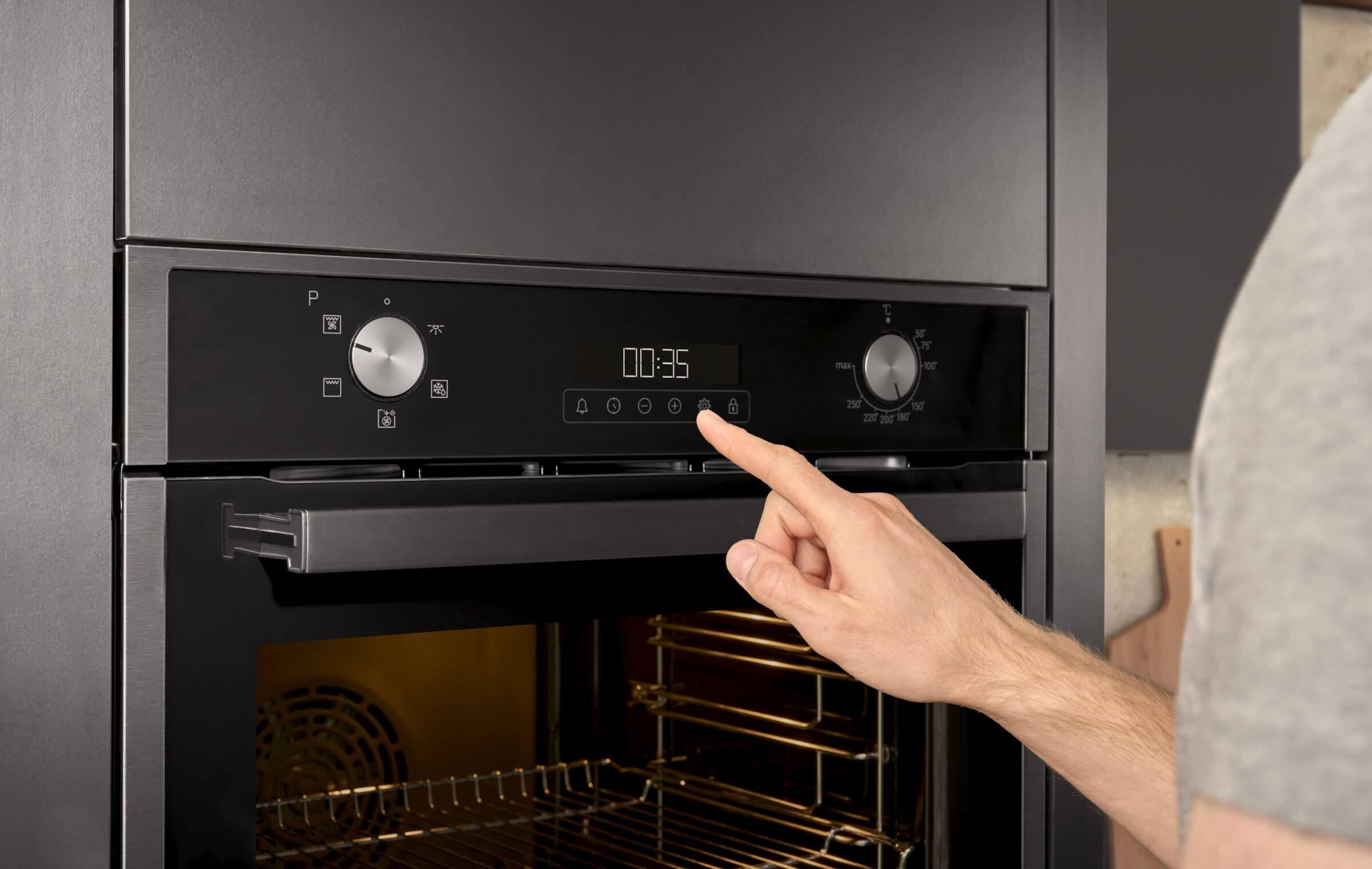
- Oven and Microwave Clocks: Custom multi-digit 7 segment LED display arrays in ultra-bright white offer clear legibility through dark oven door panels, remaining vivid even when temperatures rise.
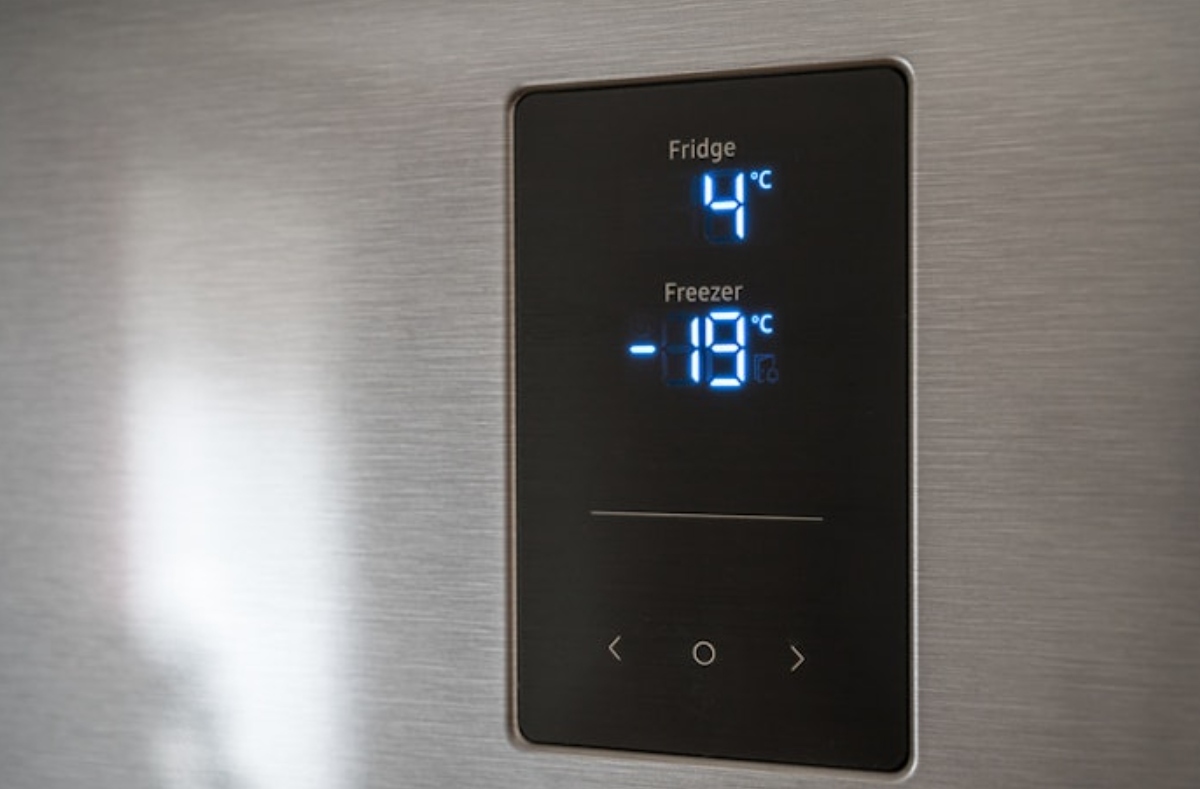
- Refrigerator Control Modules: Energy-efficient 3-digit 7 segment LED displays (such as 12.7mm configurations) provide constant temperature monitoring with minimal power draw and zero heat generation inside cooling compartments.
- Compact Countertop Devices: Customized ultra-thin 7 segment LED displays fit effortlessly into tight housings for air fryers, coffee makers, and multi-cookers.
Advanced SMD LED Display Technology
Surface-Mount Device (SMD) technology provides low-profile dimensions and exceptional design flexibility for streamlined appliance housings.
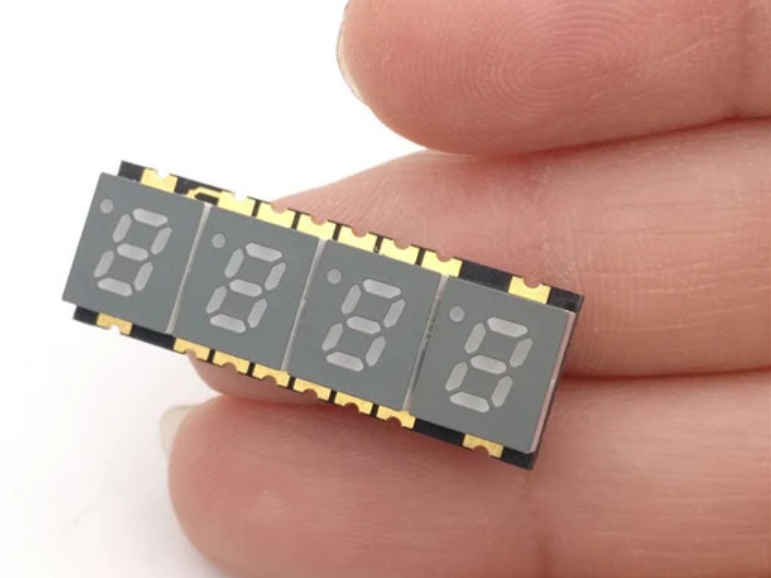
- Automated PCB Assembly: SMD components allow for high-speed automated placement during manufacturing, which significantly reduces production costs and minimizes manual assembly errors.
- Ultra-Thin Profiles: Stripping away bulky pins allows SMD LED displays to keep control panels remarkably thin, giving industrial designers more room for touch sensors.
- Unified Component Footprints: Multi-digit SMD packages let engineers run complex multi-functional readouts without cluttering the main motherboard layout.
Smart Control and Custom Backlight Solutions
Modern appliances often need more than simple numbers; they require interactive icons, brand logos, and status indicators.
- Integrated Driver IC Displays: Embedding control programs directly onto the display module simplifies host MCU programming and reduces the wiring harness down to a few serial pins.
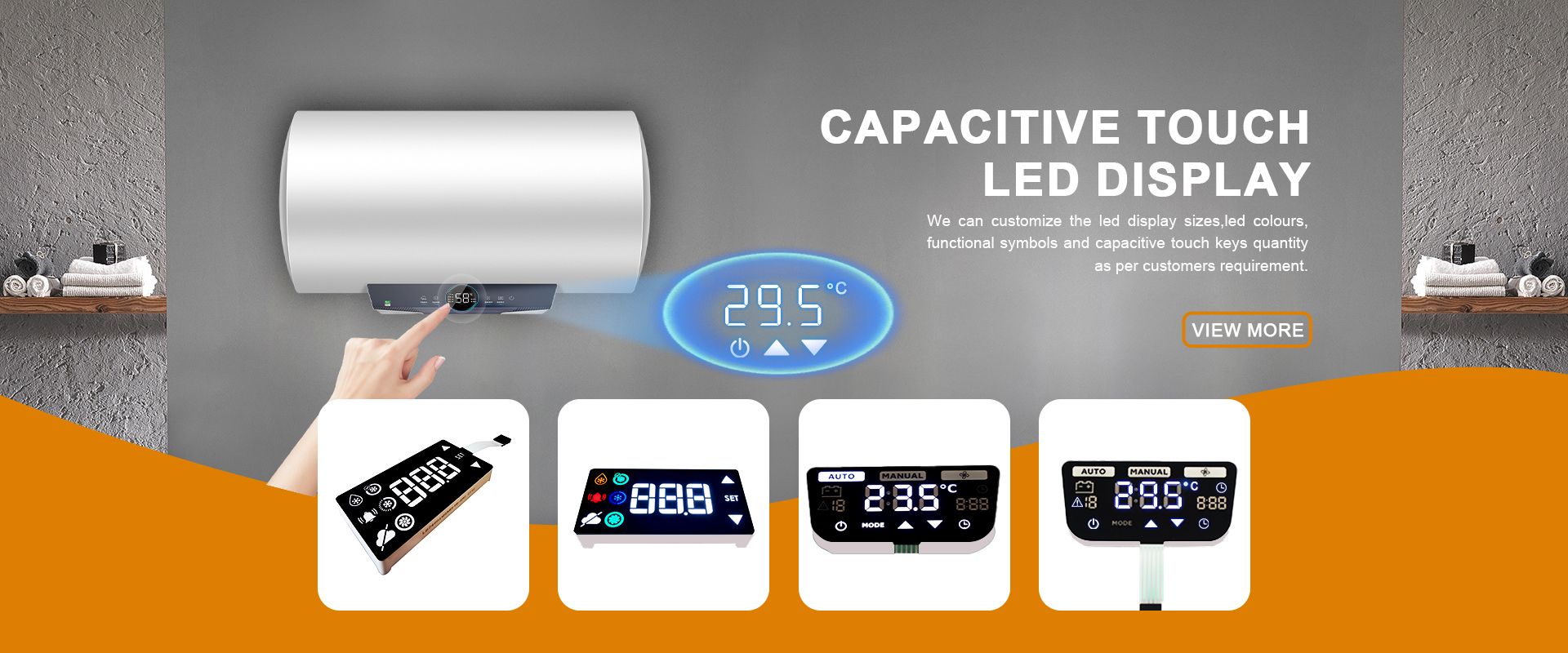
- Multicolor Edge-Lighted Backlights: Custom backlight panels provide smooth, hotspot-free lighting for capacitive touch switches and complex icon overlays.
- Dynamic LED Light Bars: Linear 10-segment light bars deliver intuitive, at-a-glance status tracking for dishwasher progress cycles or induction cooktop heat levels.
LIGHTBO Dynamic OEM/ODM Support Services
Exceptional hardware must be backed by comprehensive engineering services that accelerate product launch timelines.
Comprehensive Engineering and Prototype Collaboration
We bridge the gap between initial industrial design sketches and mass production reality.
- Tailored Structural Customization: Our internal design team modifies housing dimensions, pin positions, and facial ink masks to match your mechanical drawings exactly.
- Rapid Functional Prototyping: We deliver functional validation samples quickly, allowing your team to test optical fit and firmware compatibility early in the cycle.
- Optimized Circuit Solutions: LIGHTBO engineers help refine drive currents and pin routing to lower overall system power usage and minimize electromagnetic interference (EMI).
Rigorous Quality Assurance Standards
Our manufacturing plants operate under strict global quality protocols to guarantee reliable, long-term performance in the field.
- Certified Factory Ecosystems: Production takes place in facilities certified to ISO 9001 standards, utilizing automated optical inspection (AOI) alongside automated die bonding machinery.
- Strict Material Compliance: Every singlecustom LED display meets RoHS environmental compliance standards, ensuring easy entry into regulated global consumer markets.
- Environmental Stress Testing: Custom LED display batches go through rigorous reliability testing—including thermal shock, high-humidity storage, and aging tests—to mimic years of heavy kitchen use.
Conclusion
Building a successful kitchen appliance requires balancing premium visual appeal with long-term durability. By choosing the right mix of customized 7 segment displays, low-profile SMD LED displays, and high-reliability backlighting, your brand can deliver a premium user experience that drives customer satisfaction.
Partner with an industry specialist to elevate your next product generation. Contact LIGHTBO today to share your project specifications, request technical engineering samples, or consult with our custom optoelectronics design team. Let us engineer the perfect display solution for your market.
FAQ
Q: Why are white LED displays preferred over traditional red or green in modern kitchen appliances?
A: White LED displays give kitchens a clean, modern look that suits today’s designs. They show stronger contrast behind dark glass panels. They also blend naturally with stainless-steel or black appliance housings.
Q: How do surface-mount (SMD) LED displays compare to traditional through-hole displays regarding manufacturing efficiency?
A: SMD LED displays remove the need for manual pin-soldering since they fit automated high-speed SMT lines. This speeds up assembly work, reduces mistakes, and supports thinner control panel profiles.
Q: What measures prevent kitchen appliance displays from degrading due to high humidity and steam?
A: Makers apply industrial potting resins, silicone housings, and moisture-resistant PCBs. These create a tight seal that guards wire bonds and LED dies from steam damage over time.
Q: Can a single LED display module handle both numeric timers and specialized status icons?
A: Yes, through customized design, manufacturers can integrate standard 7-segment numeric areas alongside customized icon segments or alphanumeric characters on a unified dye frame, driven by a single integrated control IC.


