
Selecting LED Luminous Intensity (mcd) for High Ambient Light
Time : Jun 26, 2026 View : 491
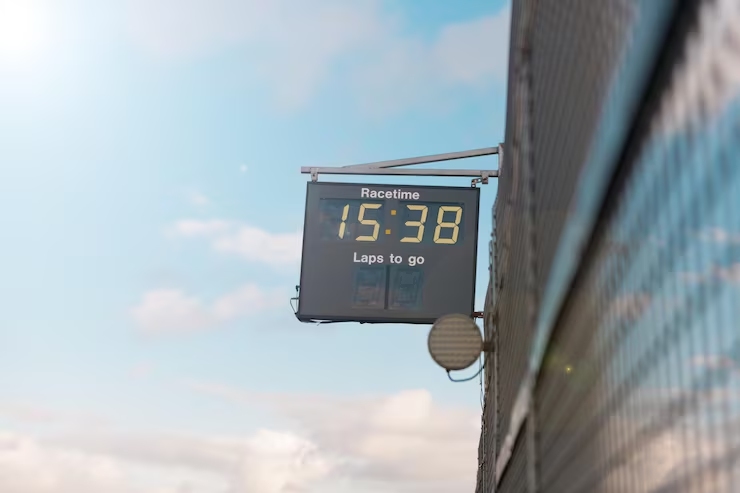
Imagine deploying a premium smart product to the market, only to receive immediate complaints that its control screen becomes completely invisible under daylight. For hardware design engineers and product managers, choosing the wrong luminous intensity value—measured in millicandelas (mcd)—is a costly mistake that directly degrades user safety and brand reputation.
Achieving perfect display clarity across wildly fluctuating operating conditions requires an accurate blend of optical calculations and advanced hardware selection. As an industry-leading LED digital display manufacturer established in 2006, LIGHTBO specializes in engineering high-reliability components, helping worldwide businesses balance electrical efficiency with brilliant visual ergonomics. This masterclass uncovers the exact process needed to select and fine-tune mcd values for high-ambient applications.
Decoding Ambient Light Environments: The First Step in Mcd Selection
Before picking a component part number, you must calculate the exact level of ambient illumination your display will face during everyday operation.
Ambient Light Classifications and Visual Challenges
Varying target locations subject digital displays to unique visual obstacles that change how the human eye registers numeric data.
- Direct Outdoor Sunlight (10,000 to 100,000 Lux): Outdoor environments like electric vehicle (EV) charging stations and fuel pumps require specialized, ultra-bright LED solutions. Standard displays wash out entirely under daylight because the background reflection overpowers the light emitted from the display segment.
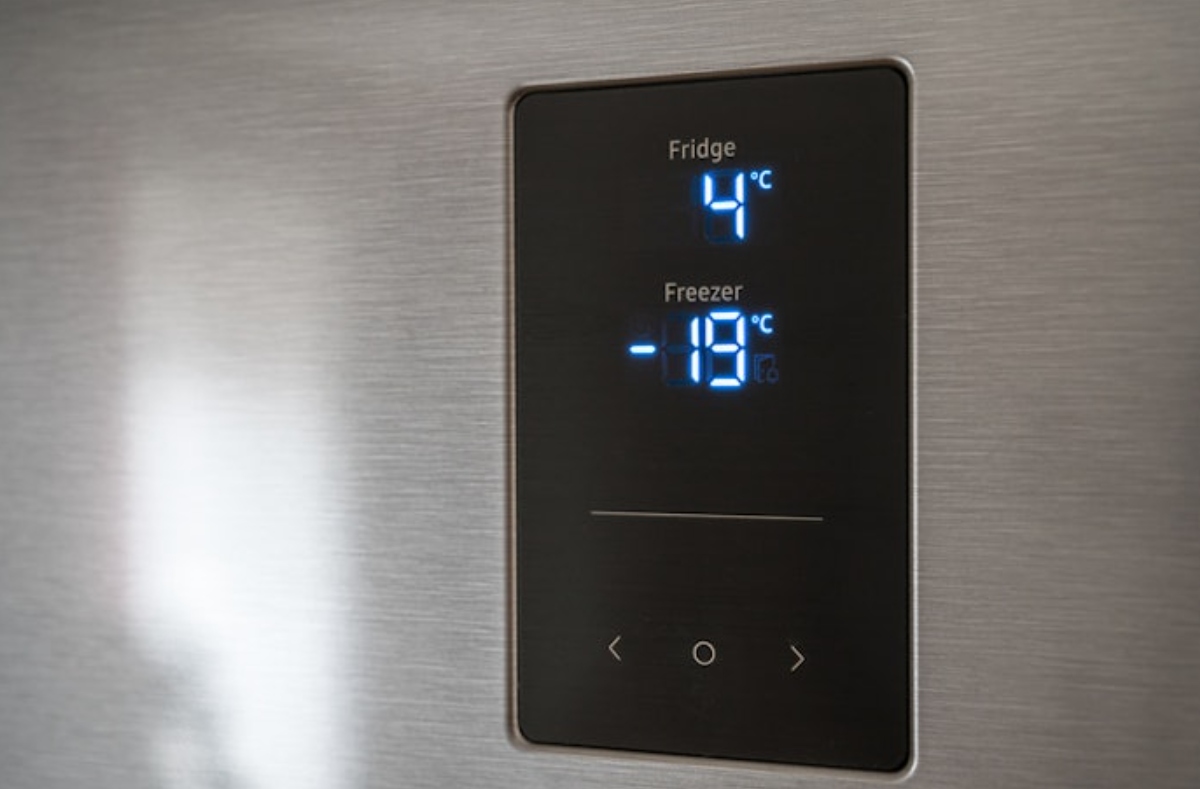
- High Indoor Ambient Light (1,000 to 5,000 Lux): Commercial settings, well-lit medical facilities, and modern smart kitchens feature intense overhead lighting. Displays on applianceslike commercial ovens or smart refrigerators must offer boosted mcd ratings to maintain legibility from sharp viewing angles.
- Controlled Indoor Environments (200 to 800 Lux): Industrial control rooms and lab test equipment feature stable lighting profiles. The primary concern here is preventing eye strain or blinding glare while running long-term shifts, requiring precise low-to-mid mcd tuning.
The Mathematical Art of Selecting Mcd: Avoiding Over-Design and Washout
Selecting an LED’s intensity is not a matter of guessing; it is an exact calculation balanced against structural power constraints.
Essential Math Formulas and Optical Factors
Engineers must apply specific optical principles to ensure that numeric characters pop out cleanly without wasting power or overheating the system.
- The Luminous Intensity to Contrast Ratio: The rule of thumb for crisp readability under direct sunlight is maintaining a minimum contrast ratio of 5:1 between the active LED segment and the surrounding display face. For direct outdoor exposure, this typically demands raw segment intensities ranging between 50 mcd and 250 mcd or higher.
- Multiplexing and Duty Cycle Adjustments: Most multi-digit displays operate on multiplexed drive circuits to minimize micro-controller pin usage. If a 4-digit display has a 1/4 duty cycle, the perceived brightness drops by roughly 75%; therefore, your specified base mcd value must be multiplied by 4 to achieve the desired display brightness during field operation.
- Forward Current vs. Intensity Matching: Luminous intensity is heavily dependent on forward current (IF). Running an LED at a lower current reduces its mcd output linearly; design engineers must consult the current-vs-intensity curves to ensure the calculated mcd is delivered at the system’s actual operating current.
Tailoring LED Displays to Demanding Applications: Real-World Solutions
Different deployment environments require distinct hardware layouts to convert calculated millicandela values into consistent visual indicators.
Product Architecture Matching Environmental Needs
LIGHTBO delivers tailored component architectures designed to solve the physical constraints of specific target industries.
- EV Charging Stations & Parking Systems: These harsh outdoor settings require LIGHTBO’s custom ultra-bright multi-digit 7-segment displays. Equipped with built-in driver ICs and high-mcd chips, these displays puncture through intense sunlight, giving end-users clear, visible data while shielding internal components from overheating.
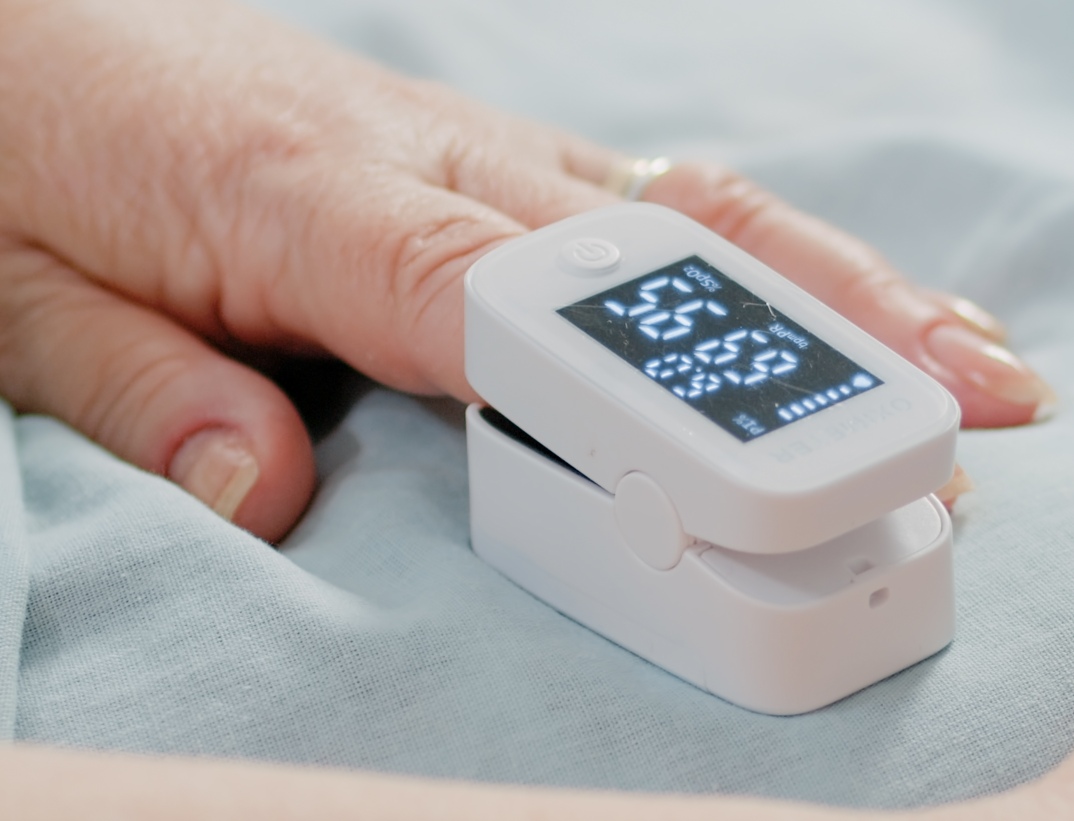
- Space-Constrained Smart Meters & Portable Diagnostics: Handheld instruments require thin component profiles. LIGHTBO’s surface-mount (SMD) LED displaysoffer ultra-bright outputs within an incredibly compact footprint, allowing product developers to achieve high mcd targets without bloating the overall device housing.
- Industrial Automation Controllers: Complex heavy machinery needs text indicators alongside raw numbers. LIGHTBO’s alphanumeric 14-segment and 16-segment displays allow for full letter readouts, maintaining exceptional brightness uniformity across every single element to reduce operator errors on busy factory floors.
Engineering Peace of Mind: LIGHTBO’s End-to-End Service Model
Strong component design works best with a dependable manufacturing process. This keeps performance steady from one batch to the next.
Quality Assurance, Prototyping, and Mass Manufacturing
LIGHTBO links early engineering design to large-scale manufacturing through full vertical integration.
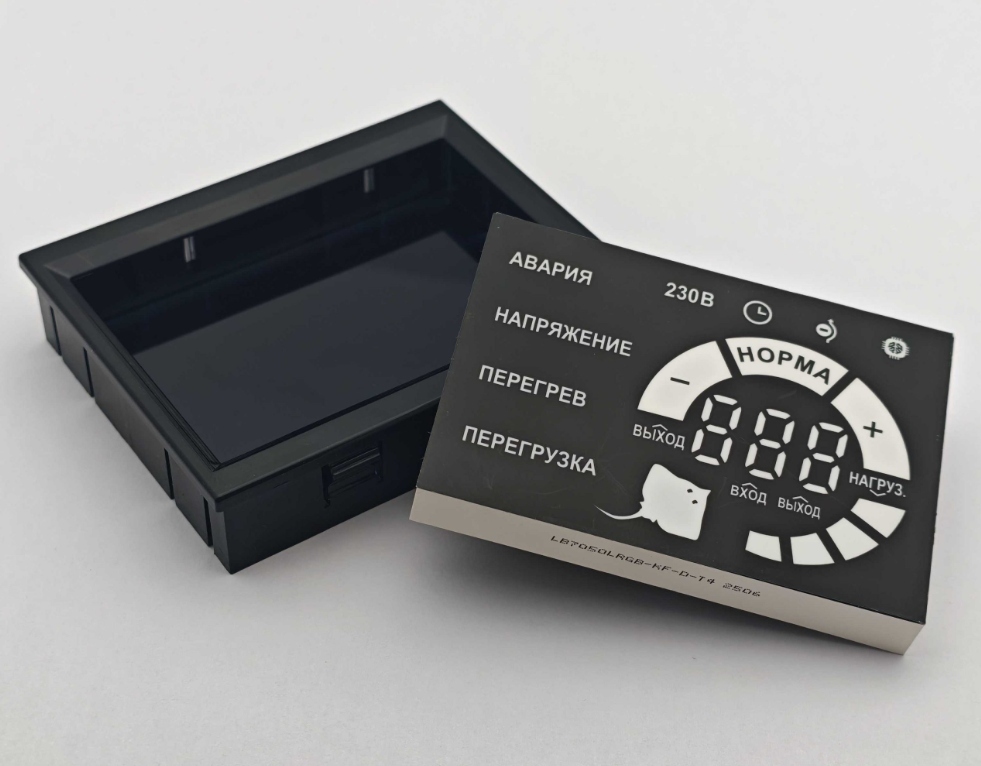
- Custom Optical Development: LIGHTBO’s engineering team works with client designers on custom display profiles. They adjust segment shapes, tinting, and diffuser materials. This supports solid contrast in demanding conditions.
- Rigorous ISO 9001 Testing & Validation: Every display component goes through detailed reliability tests. These include automated optical inspection (AOI) and luminous intensity binning. The checks help keep mcdvalues uniform across big production runs.
- High-Capacity Automated Production: LIGHTBO runs modern high-speed assembly lines. Production scales from prototypes to full volumes without added delays. Lead times stay short, and costs remain competitive.
Conclusion
Choosing the right mcd value for bright environments takes careful planning. It means matching the setting to the right part design. Off-the-shelf parts often lose visibility in sunlight, so working with an experienced manufacturer helps avoid that problem and keeps the display clear in any light.
Ready to improve your display’s visibility? Contact the engineering team at LIGHTBO for a design review, component samples, or a fast quote on your next project.
FAQ
Q: Why does the same mcd rated LED appear dimmer when built into a finished control panel housing?
A: The front overlay material, protective acrylic filters, and anti-glare coatings used on external housings reduce total light transmission by 15% to 40%. Engineers must compensate for this optical attenuation by specifying a higher base mcd rating during initial component selection.
Q: What is the main risk of over-specifying mcd values for an LED display?
A: Specifying excessively high mcd values drives up current consumption, generates more heat, and accelerates chip degradation. Additionally, it causes severe indoor glare, which strains the user’s eyes and makes text characters look blurry.
Q: How does multiplexing impact the brightness consistency across multi-digit 7-segment displays?
A: Because multiplexing switches digits on and off sequentially at high speeds, any slight variations in controller timing or current spikes can cause noticeable brightness flicker or uneven lighting between digits. Using dedicated LED driver ICs helps ensure uniform current delivery and stable mcd output across all segments.
Q: Can changing display face colors improve readability under high ambient light without increasing mcd?
A: Yes. Using a dark matte black display face combined with matched segment diffusers significantly lowers background light reflection. This increases the overall contrast ratio, making the numbers much more readable without drawing extra current to boost the mcd.


