
Double Your LED Display Lifespan: Proper Thermal Management
Time : Jun 18, 2026 View : 675
The Hidden Enemy of Industrial Displays
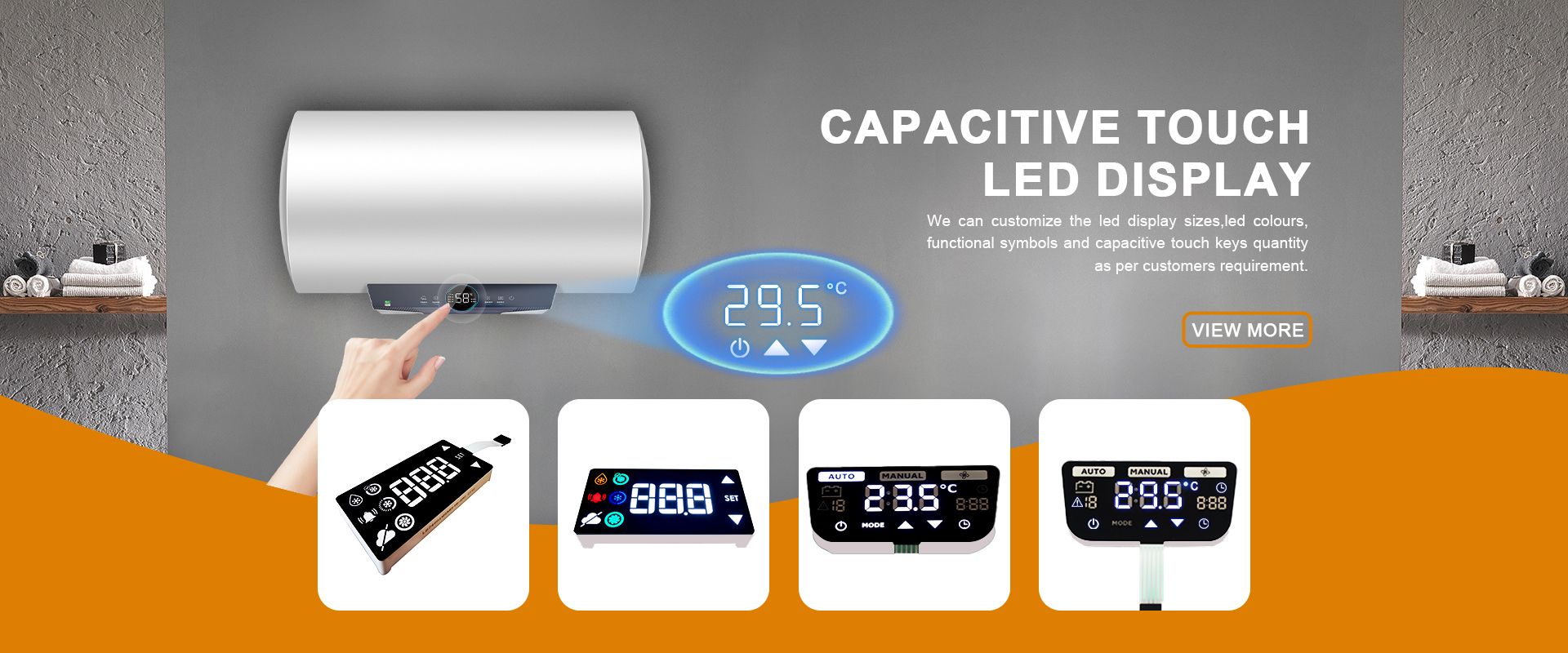
In today’s industrial equipment, numeric LED displays serve as the main connection between advanced electronics and the people who use them. They show charging details on electric vehicle stations or track exact temperatures inside commercial kitchen ovens. These parts need clear visibility at all times. However, a quiet problem sits below the surface: heat buildup. Without strong ways to handle this heat, even high-quality display systems break down faster than expected. They lose brightness early, colors shift, and eventually stop working altogether.
LIGHTBO started in 2006 and has become a top innovator in display components. The company knows that dealing with heat goes beyond simple outer packaging. It forms a basic part of making products last. LIGHTBO focuses on reliable 7-segment numeric displays, custom alphanumeric readouts, and dot matrix options. The team builds heat control straight into the materials and structure of each piece. By keeping internal temperatures lower in their display models, LIGHTBO helps engineers extend the working life of human-machine interfaces up to twice as long.
The Science of Heat: Why Temperature Determines LED Survival
Product teams working on strong industrial and consumer devices need to understand how heat builds in semiconductors. They also must see why uncontrolled temperatures damage the light output over time.
The Crucial Link Between Junction Temperature and Lifespan
LEDs earn praise for using electricity more efficiently than old-style bulbs. Still, they produce a fair amount of heat instead of light. Much of the power going into the LED chip turns into warmth that gathers at the tiny p-n junction.
- Logarithmic Lifespan Decay: The connection between junction temperature and how long the display lasts follows a clear pattern. A rise of just 10°C at the p-n junction can cut the expected lifetime in half.
- Thermal Runaway Vulnerability: When temperatures go up, the forward voltage drops. If the power source stays at constant voltage, the LED pulls more current. This creates a cycle where heat keeps increasing and causes damage.
- Forward Voltage Instability: Changes in voltage wear down the internal connections. This leads to weak spots that cause occasional failures in multi-digit readouts.
The Degradation Mechanisms: Color Shifting and Optical Loss
Displays that run for long periods in hot conditions show clear signs of wear. These issues hurt the final product’s quality and reputation.
- Encapsulant Yellowing: Heat trapped inside breaks down the epoxy or silicone covering. It turns yellow and holds light back inside the case.
- Wavelength Drift: Too much heat changes the energy levels in the semiconductor. Colors shift as a result. A clean white display might look off-white, while amber signals turn to a weaker orange.
- Phosphor Efficiency Loss: Custom white and pure green displays use phosphor layers. High heat reduces how well these layers work and creates uneven dimming on the active digits.
Engineering Solutions: How LIGHTBO Pioneers Advanced Thermal Management
Fighting heat damage means going beyond basic heatsinks. It calls for custom packaging that moves heat away from sensitive internal areas.
Optimized Substrate Design and Heat-Dissipating Packaging
LIGHTBO changes the inner structure of its multi-digit 7-segment displays. This creates paths that carry heat better than air can.
- High-Conductivity Copper Leadframes: Standard alloy leadframes give way to silver-plated copper ones. This improves heat flow from the chip directly to the board connections.
- Advanced Die-Attach Adhesives: Silver-filled epoxy attaches the die in a way that cuts thermal resistance. Heat leaves the core quickly.
- Refined Plastic Matrix Compounds: The housings use dense polymer materials. These resist bending from heat and help release warmth into the surrounding air.
Precision SMD Architecture for Enhanced Passive Cooling
Surface-mount designs mark a big step ahead compared to older through-hole types when it comes to handling heat.
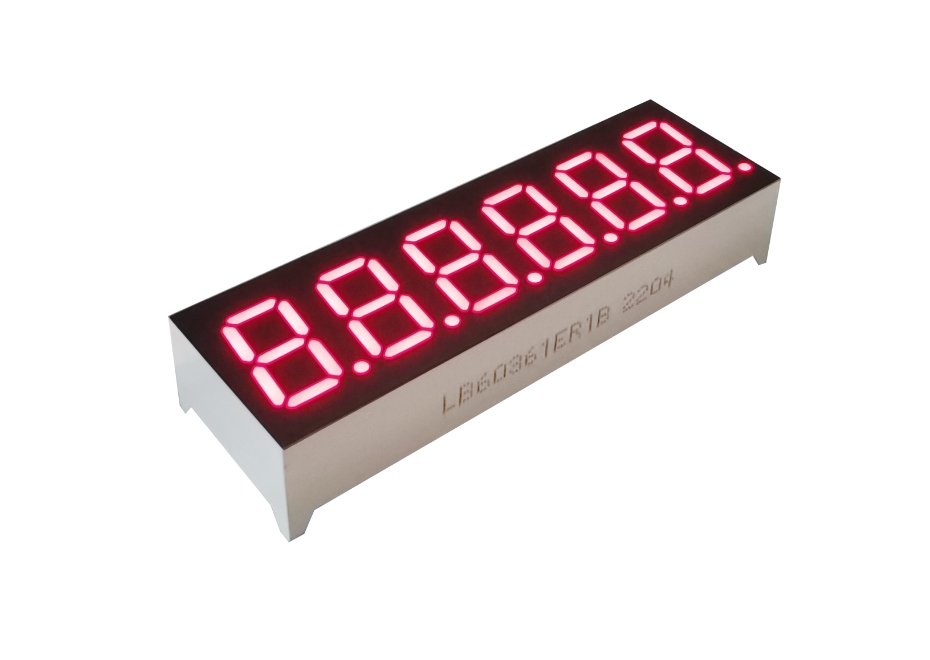
- Direct-to-Board Thermal Paths: LIGHTBO ultra-bright 2-digit 0.56-inch 7-segment SMD LED displaysinclude thermal pads. These sit flat against copper traces on the PCB and turn the board into a large cooling surface.
- Low Profiles for Unimpeded Airflow: The shorter height leaves no trapped air spaces. Air moves freely and cools the display surface effectively.
- Solder Joint Stress Mitigation: Special alloys in the terminals handle expansion differences between the display and board as temperatures change.
Preventing Heat Failure Across Key Industries
Good thermal planning shows its value in actual field conditions where breakdowns cannot happen.
High-Temperature Environments: Smart Household Ovens
Appliances need parts that handle repeated heat cycles without losing performance or appearance.
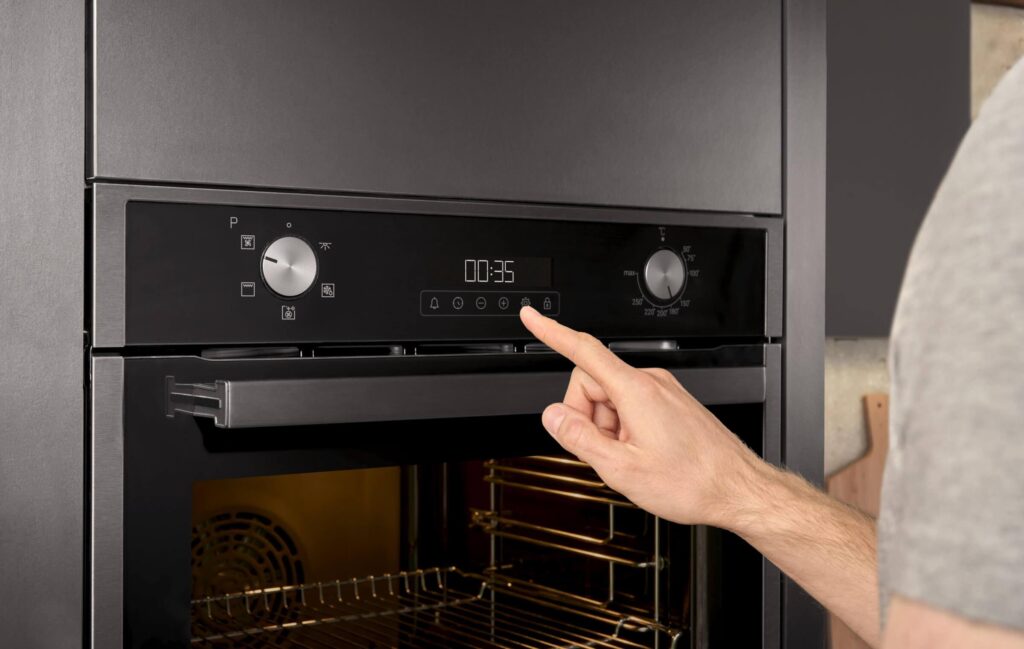
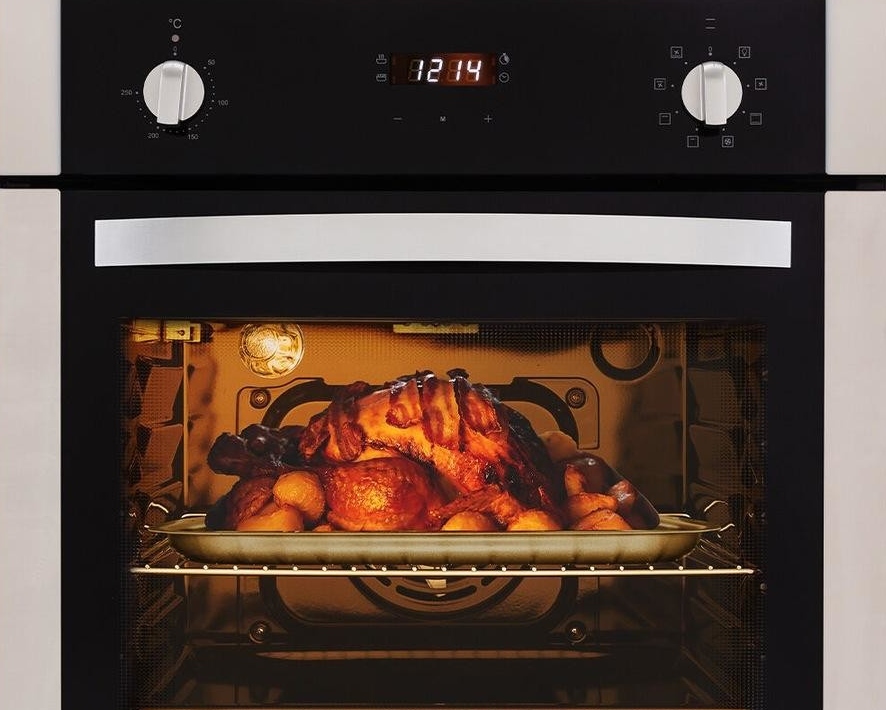
- The Culinary Challenge: Control panels in modern smart ovens sit near the heating area. They face temperatures that can reach 85°C.
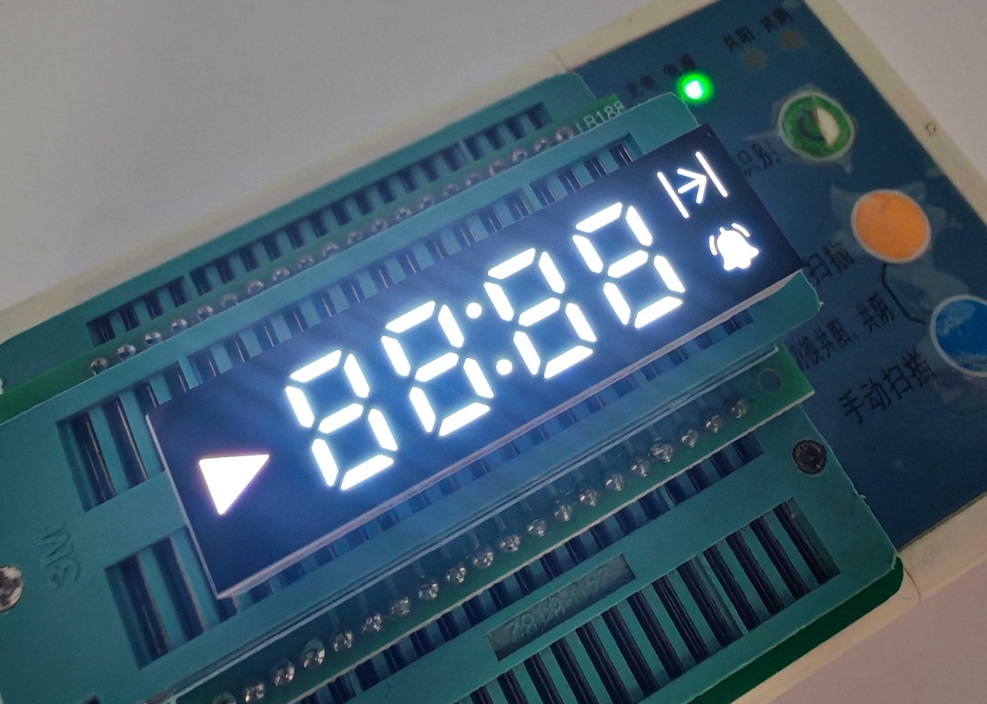
- The LIGHTBO Intervention: The Ultra Bright White Custom 7-Segment LED Display for Ovensuses stable materials and strong wire bonds. These stay reliable through many heat cycles.
- The Industrial Resolution: This design fixes the common problem of single digits growing dim. The display keeps even brightness and stays readable for more than ten years of normal home use.
Continuous-Duty Industrial Infrastructure: Smart Grid Meters and UPS Systems
Utility equipment and backup power units run nonstop in sealed boxes with poor airflow.
- The Infrastructure Challenge: UPS systems and outdoor grid meters create their own heat while staying inside closed enclosures.
- The LIGHTBO Intervention: Multicolor customization 7-segment LED displays for UPS systems combine wide-temperature chips with efficient reflective areas.
- The Industrial Resolution: These displays need less current to produce the same light level. They generate less heat locally, so important readings stay clear even in very hot conditions.
Conclusion
Thermal management draws a clear line between displays that fail early and those that deliver steady service for years. Selecting parts with built-in heat pathways guards against sudden breakdowns, expensive recalls, and damage to your brand name. Work with a company that puts strong thermal protection into the core of its display designs.
Contact LIGHTBO today. Speak with the engineering team, ask for custom thermal data, or order heat-resistant SMD and through-hole numeric displays made for your industrial needs.
FAQ
Q: How does a high ambient operating temperature affect the power consumption of a standard 7-segment LED display?
A: High temperatures reduce the LED’s forward voltage. With a basic constant-voltage driver, the display pulls more current. This raises total power use and speeds up heat-related wear.
Q: Why do white and pure green numeric displays often show faster thermal degradation than traditional red displays?
A: White and pure green versions depend on phosphor or Indium Gallium Nitride setups. These react more strongly to heat and age faster than Gallium Arsenide red LEDs.
Q: What is the most effective PCB layout strategy to optimize the lifespan of an SMD LED display?
A: Use wide copper traces linked straight to the thermal ground pins. Add thermal vias under the part to move heat toward inner board layers.
Q: Can an LED display be driven at its maximum rated current if the enclosure lacks active ventilation fans?
A: No. Without good air movement, full current causes quick heat buildup at the junction. Adjust the drive current downward based on the temperature inside the enclosure to avoid problems.


