
Testing 7-Segment LED: 3 Steps to Peak Display Performance
Time : Jun 12, 2026 View : 788
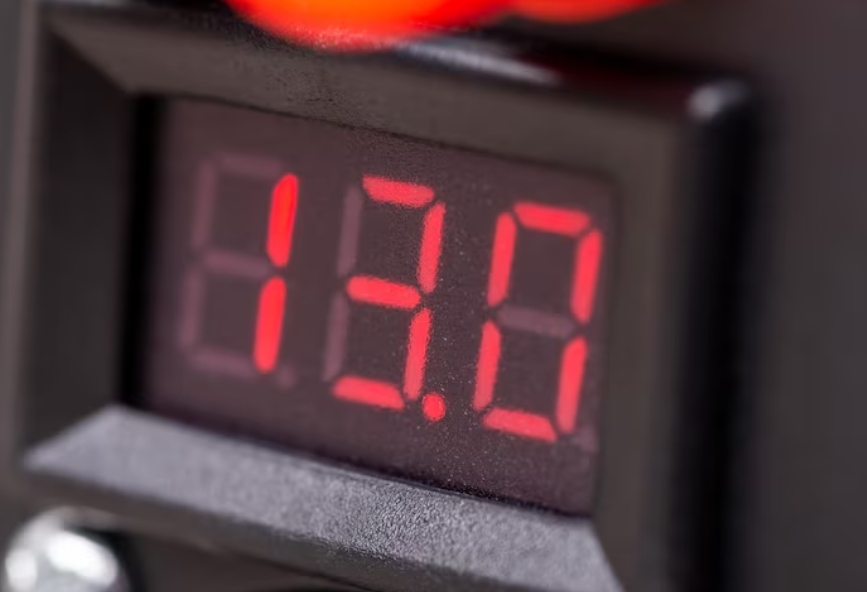
For hardware design engineers and quality assurance teams, checking how a 7-segment LED display performs is very important. It helps the final product last longer and keeps users satisfied. LIGHTBO runs careful tests as a top optoelectronics manufacturer. Every single unit must reach strong industrial and commercial levels before it leaves the factory.
Understanding the Core Parameters of 7-Segment Testing
You need to set clear goals before running any hands-on tests on the assembly line. These key measurements show exactly how the 7-Segment display acts when voltage changes or the surroundings get tough.
Optical Uniformity and Luminance Consistency
Getting the brightness level the same across every segment stops strange visual effects and keeps the display looking sharp for a long time.
- Segment-to-Segment Matching: Tests make sure current spreads evenly so segments A through G all shine at the same strength. This fixes the usual trouble where one segment looks dimmer than the others.
- Batch-to-Batch Color Chromaticity: High-precision spectrometers hold the main wavelength steady inside ±1nm. That way, no obvious color differences show up when several displays sit side by side in a row.
- Surface Overlay Diffusion Efficiency: The special epoxy layer spreads light evenly without bright patches or dark edges. This gives much better contrast when bright lights shine on the display from outside.
Electrical Characteristic Boundaries
Checking the electrical limits carefully protects the small LED chips inside from wearing out too soon, getting overheated, or failing without warning.
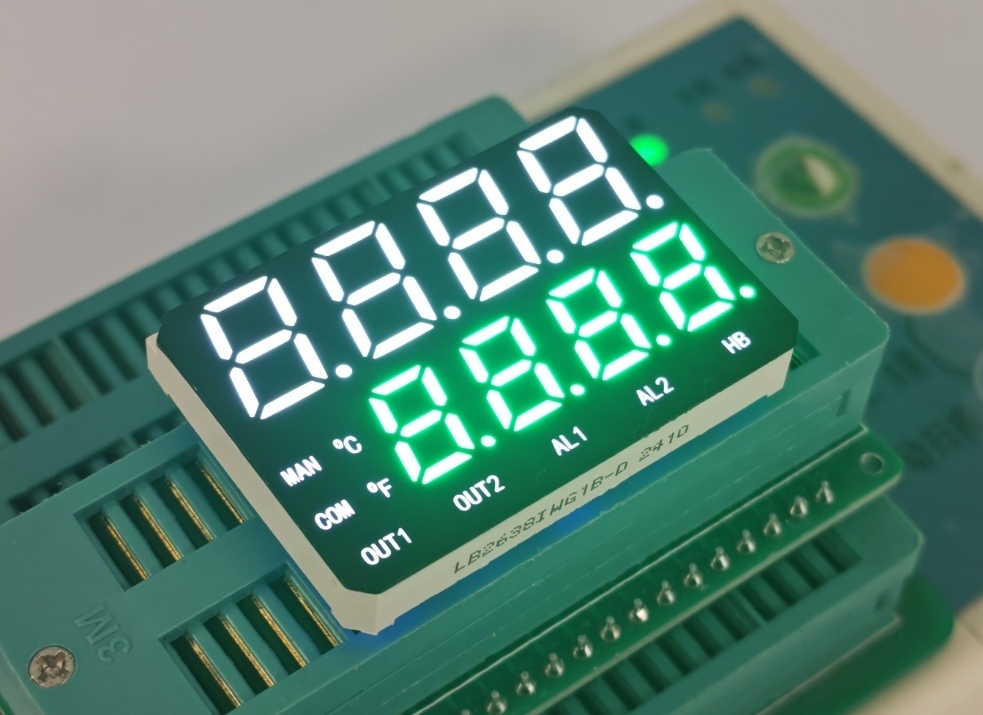
- Forward Voltage (VF) Distribution: Measure the exact voltage drop at normal currents. This makes sure everything lines up with the microcontroller or driver chip you plan to use.
- Reverse Leakage Current (IR): Test how much current slips through when voltage runs backward. High readings often point to defects in the wafer or damage from static electricity.
- Maximum Power Dissipation Limits: Push the display to its highest safe current for a while. This reveals the heat limits before any materials start to break down.
Step-by-Step Engineering Testing Protocols
A well-organized testing process lets engineers catch hidden problems early during design and later during quality checks. The steps below match what most companies follow when they approve new parts.
Phase 1: Visual and Dimensional Inspection
Begin with basic checks on the physical build. This confirms the display will fit the circuit board without issues.
- Pin Configuration and Alignment: Automated optical inspection tools check that pins are straight and spaced correctly. Bad alignment here leads to weak solder joints or stops on the assembly line.
- Package Integrity Audit: Look closely at the housing for tiny cracks, air bubbles trapped in the epoxy, or any dirt on the surface. These flaws can let moisture get inside over time.
- Dimension Verification: Digital calipers measure height, width, and thickness. They must match the datasheet exactly so the display sits perfectly inside the final enclosure.
Phase 2: Electro-Optical Performance Verification
This stage uses accurate lab tools to collect real numbers on light output and electrical behavior.
- Luminous Intensity Mapping: Place the 7-segment display in an integrating sphere. Measure total light and brightness per segment at everyday currents like 10mA and 20mA.
- Duty Cycle and Multiplexing Test: Run pulse-width modulation the same way a real microcontroller would. This reveals any ghosting or sudden flicker during normal operation.
- Voltage Drop Profiling: Slowly raise current from 0 to 30mA and draw the full I-V curve. Any odd bends in the line can show resistance problems in the internal wire bonds.
Phase 3: Environmental and Reliability Stress Testing
Subjecting parts to harsh conditions quickly reveals weak points that regular table tests never find.
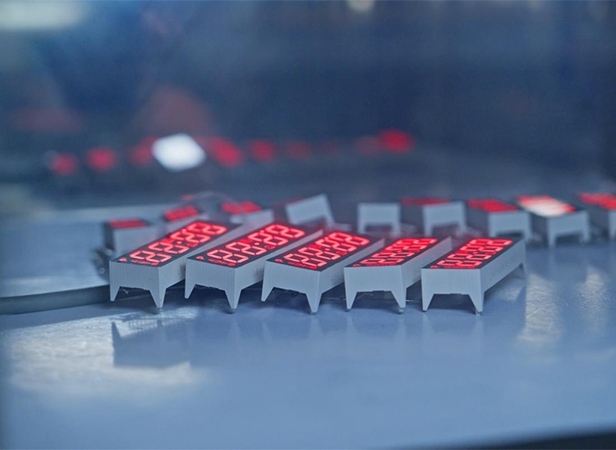
- High-Temperature and High-Humidity Storage (THB): Put the display in a test chamber at 85°C and 85% humidity for up to 1000 hours. This copies hot, damp factory floors or tropical weather.
- Thermal Shock Resistance: Switch the temperature rapidly between -40°C and +105°C. The test checks whether materials expand and contract without cracking.
- Vibration and Mechanical Shock Testing: Apply fast vibrations across different frequencies. This confirms the display stays solid when mounted in vehicles or machines that move constantly.
Real-World Applications and Targeted Problem Solving
These testing steps solve real performance issues in different markets where a failed part can cause expensive downtime. Each field brings its own set of challenges that need practical answers.
Smart Home Appliances and Consumer Electronics
Modern kitchens expose displays to changing heat levels, yet the numbers must stay easy to read every day.
- Oven Control Panels: High heat around the oven can make regular LEDs grow dim fast. LIGHTBO supplies Ultra Bright White Custom 7-Segment Displaysbuilt for high temperatures so clock and temperature numbers stay clear and bright.
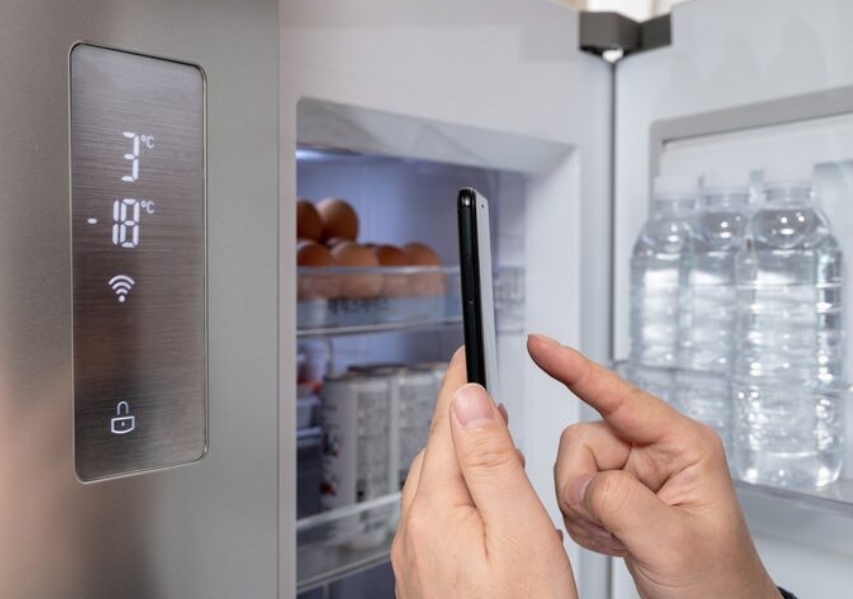
- Refrigerator Interfaces: Condensation often leads to shorts in cold spaces. Custom 3-digit 12.7mm modules with strong epoxy seals block water vapor and keep cooling information working reliably for many years.
- E-Cigarette Power Gauges: Tiny devices need very small controls. Multicolor Ultra-Thin Custom 7-Segment Cathode displays mount directly on the board and show power levels without taking much space.
Industrial Instruments and New Energy Applications
Factories require rock-solid parts so operations stay safe and never stop unexpectedly.
- Electric Scooter Instrument Clusters: Direct sunlight washes out ordinary displays. High-contrast custom scooter LED displays with anti-glare coatings keep speed and battery readings visible even on bright days.
- Uninterruptible Power Supplies (UPS): Power spikes can damage drivers and scramble the information. LIGHTBO multicolor displays with extra internal protection keep system readings accurate during unstable grid conditions.
- Industrial Smart Meters: Constant vibrations on factory floors break standard pins. SMD 7-segment LEDversions use flat solder pads instead of long pins and reduce the chance of cracked connections from repeated shaking.
Conclusion and Next Steps
A complete testing plan helps protect your product line from expensive failures in the field and keeps your brand known for solid engineering. Choosing the right manufacturing partner who puts quality materials and checks into every piece makes a big difference from day one.
Working with an experienced supplier shortens your development time. Contact LIGHTBO today to get engineering samples, complete datasheets, or advice for your next custom display project.
FAQ
Q: Why does the luminous intensity of different segments look uneven when driven by the same microcontroller?
A: This usually comes from small differences in forward voltage (VF) between the LED chips or poor trace design on the PCB. Buying displays with tight VF sorting removes this uneven look completely.
Q: What is the technical advantage of choosing SMD 7-segment displays over traditional through-hole (DIP) components?
A: SMD displays sit much flatter, weigh less, and work smoothly with fast automated assembly lines. This cuts manufacturing costs and gives better resistance to vibration.
Q: How does operating temperature affect the lifespan and performance of a digital LED display?
A: Higher heat speeds up aging in the epoxy layer and lowers light output. Displays made with good thermal handling and proper cooling setups avoid quick drops in brightness.
Q: Can standard 7-segment LED displays be safely utilized in outdoor industrial equipment without specialized modifications?
A: No. Indoor versions do not have enough UV protection or strong waterproof seals. Outdoor jobs need custom displays with anti-UV materials, brighter light, and better dust and water resistance.


